Portuguese
  Spanish



Brazil Has Abundant Green Energy Sources, Therefore It Becomes a Great Bet in Renewable Energy Production.
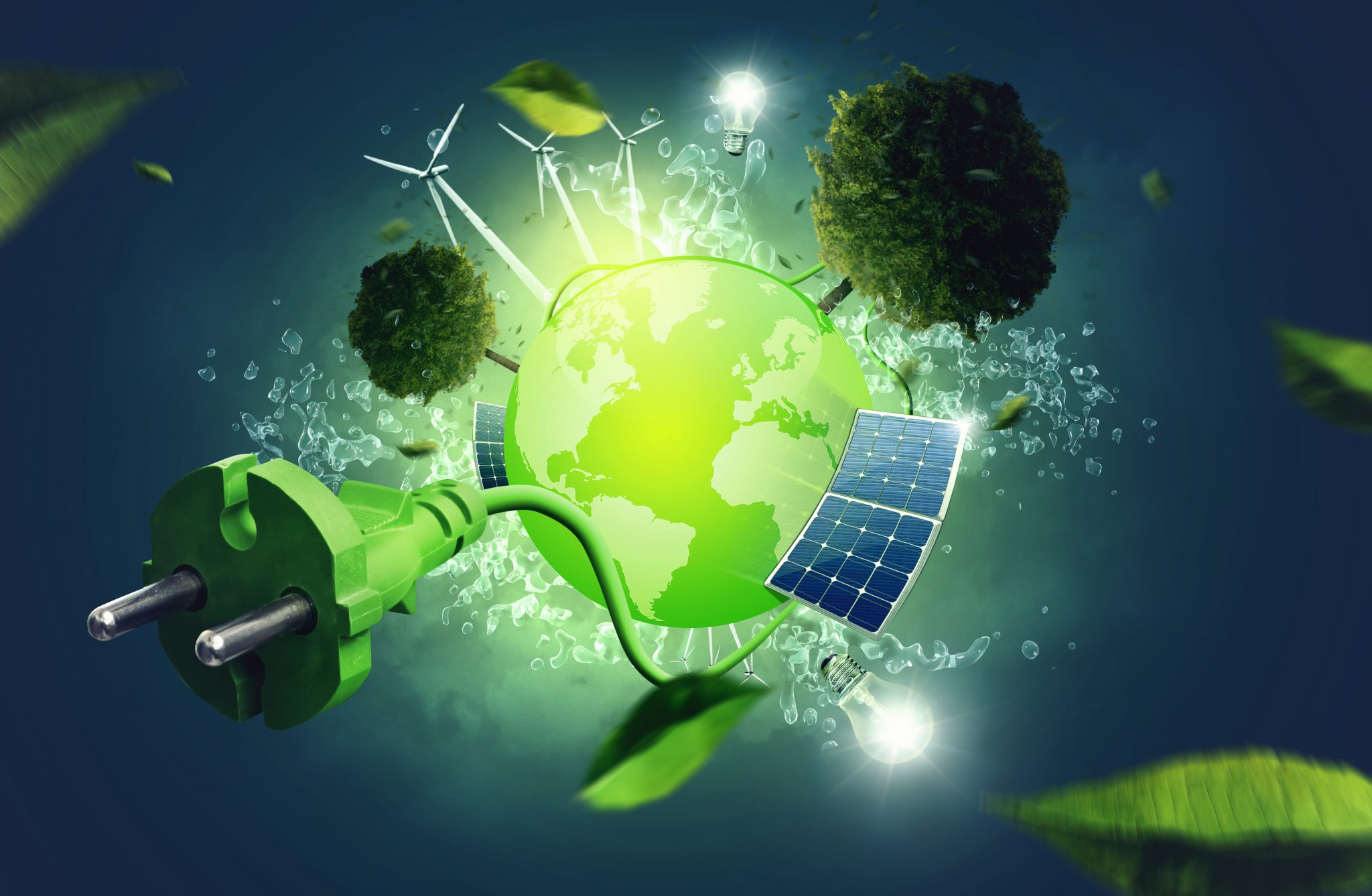
The renewable energy, carbon, energy, and biobased markets are expected to generate more than US$ 124 billion in Brazil by 2040. For green hydrogen, the estimate for the country is approximately US$ 20 billion. The projections made by consulting firm McKinsey show that Brazil is one of the major bets when it comes to renewable energy, as the country has abundant green energy sources such as hydropower, biomass, wind, and solar. Furthermore, experts believe that Brazil could be an important ally in the production of green hydrogen, regarded as the fuel of the future.
Aiming for green energy production, the goals have been set. The renewable energy sector in Brazil is the great bet
The UN (United Nations), by 2030, defined 17 Sustainable Development Goals. Among them, there is a target that encourages the promotion of universal access, free and affordable prices for renewable energy.
“If we think more broadly, we have this tendency towards the decarbonization of the global economy. In my assessment, we can even discuss the speed with which it will happen, but it is an irreversible trend,” pointed out João Guillaumon, partner at McKinsey.
-
Brazil saved US$ 32.4 billion in 2025 by switching from fossil to renewable energy and only ranked behind China and the United States on the IRENA global podium.

-
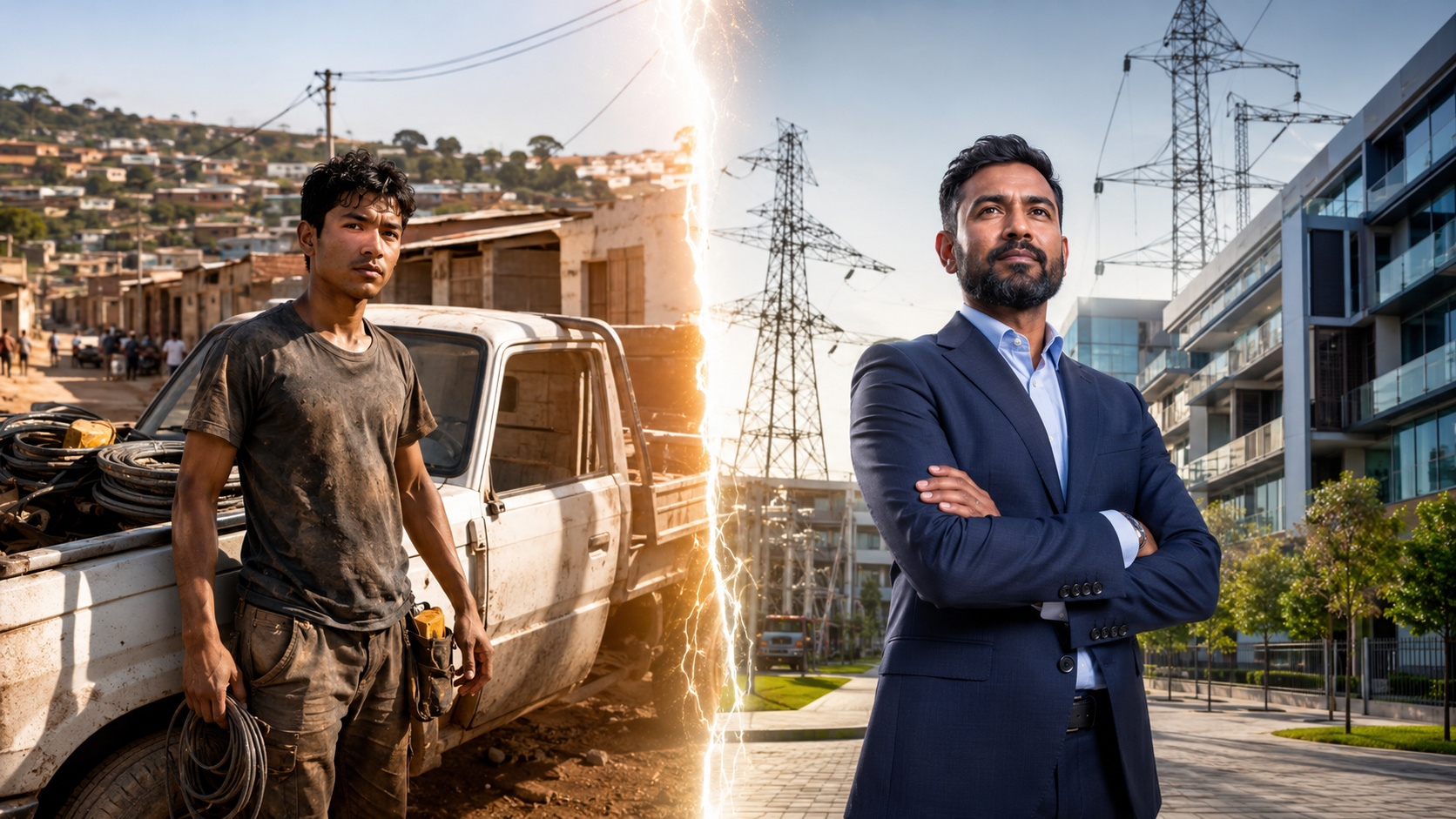
Fired during apartheid and with a little borrowed money, an electrician started with a borrowed truck and transformed electrical services into a group connected to energy, real estate, and infrastructure in South Africa.

-
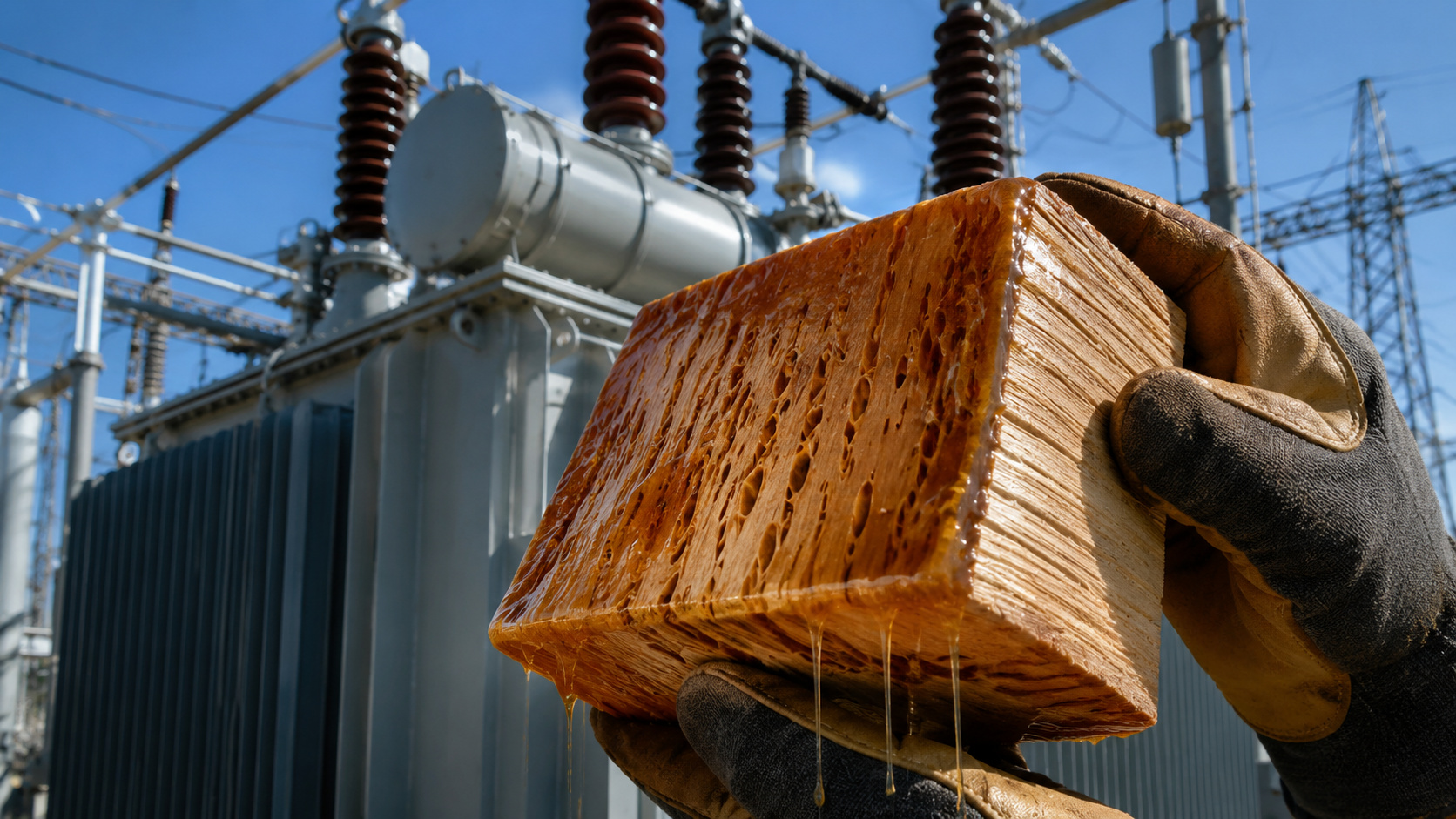
Wood has ceased to be just a construction material in Yale research and has become insulation for electrical transformers that face intense heat, aging, and increasing pressure from the renewable energy-powered grid.
-
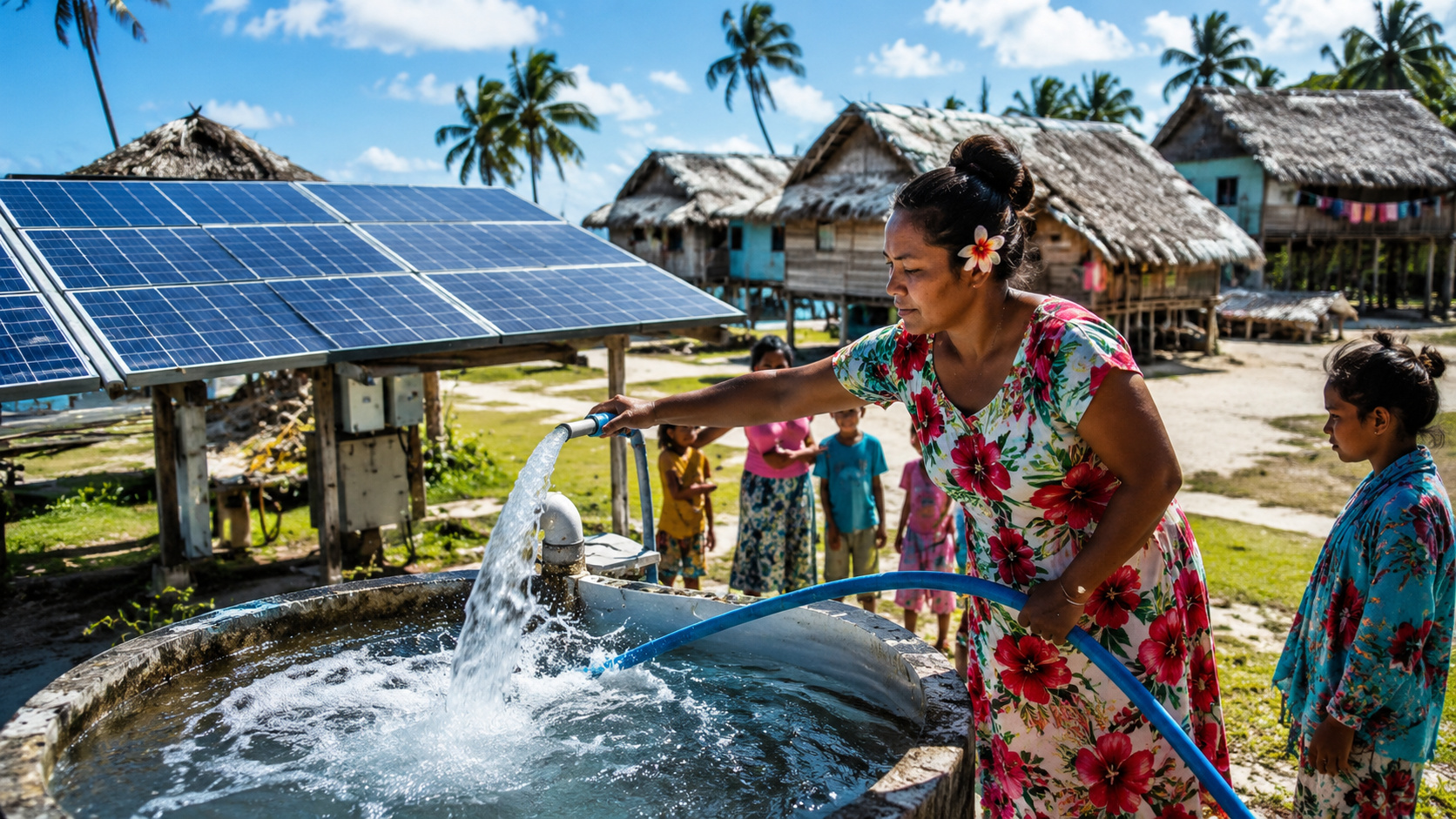
More than 1,000 residents of a remote island in Kiribati now have clean water and electricity with solar systems operated by the community itself.

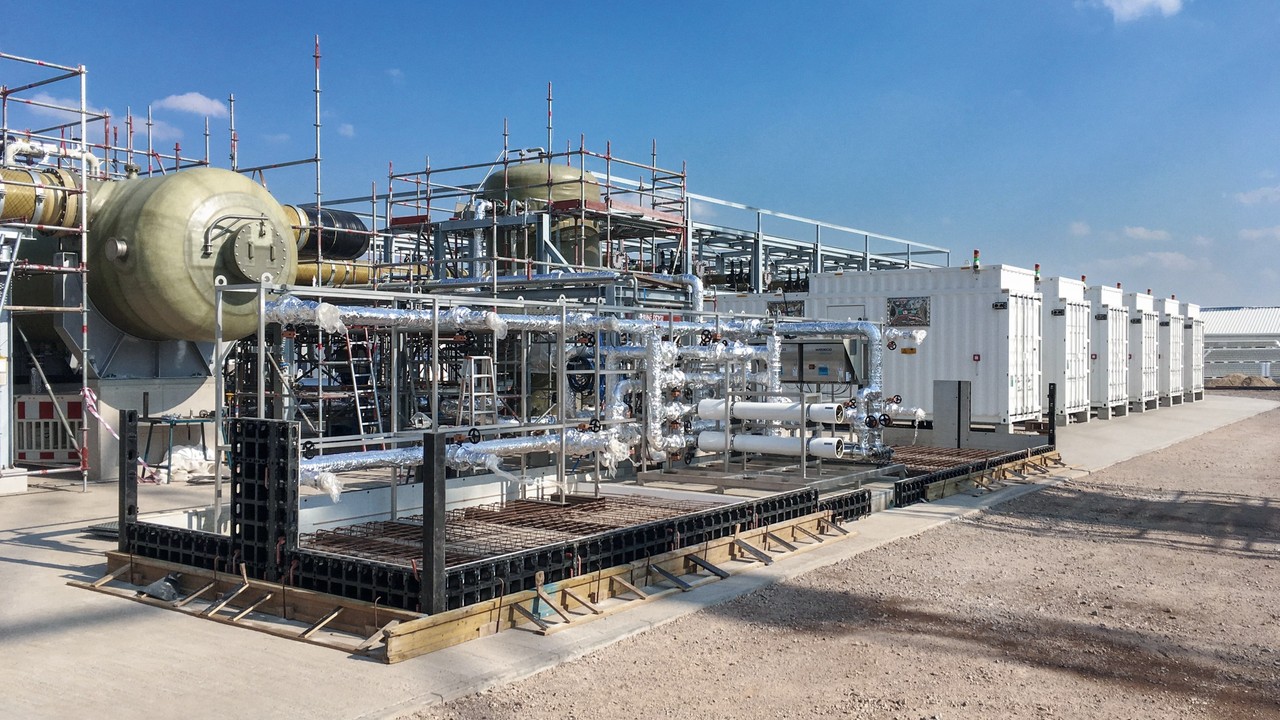
In the green hydrogen market, Unigel invested R$ 120 million in the first factory for the input.
“This investment was the gateway to a universe that turned out to be much larger, so green ammonia derived from the discussion of green hydrogen, which today is one of the main bets of this century for the New Era of energy. A carbon-free energy,” emphasized Luiz Felipe Fustaino, director of investor relations at Unigel.
At COP-27, the twenty-seventh United Nations Climate Conference, the countries present defined the creation of a loss and damage fund, aiming to allocate money for situations such as rising sea levels and catastrophic storms.
An Important Factor Was Left Aside: Which Countries Will Be the Contributors? Who Will Foot the Bill?
The event concluded with the creation of an international fund to assist the most affected countries by climate change, but the fund only exists on paper, as it was not defined which countries would contribute to the amount.
“What is important is that there are resources, and that this fund effectively receives resources so that it does not remain just a bureaucratic decision,” expressed Pedro Côrtes, professor at the Institute of Energy and Environment at USP.
With the growing interest in the ESG agenda, there is also an increase in investors interested in the theme.
Vitor Souza, an analyst in the electric and sanitation sector at Genial Investimentos, points out that in Brazil there are many publicly traded companies with clean and renewable energy sources. “So those that operate with dirty energy are more of an exception than the rule,” he adds.