Portuguese
  Spanish




Bill Requires American Intelligence to Map Chinese Investments in Brazil’s Agribusiness and Impacts on Global Food Security
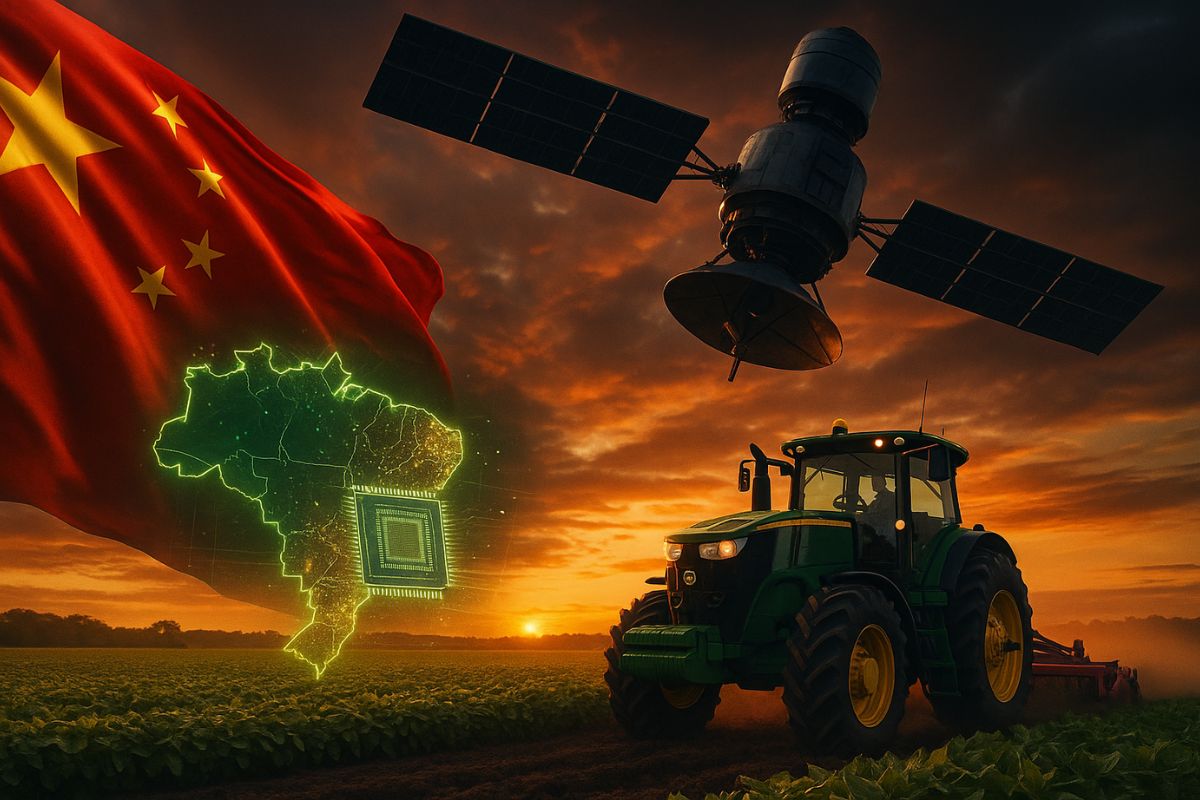
The U.S. government will investigate Chinese interest in Brazilian agribusiness, according to the annual budget bill for intelligence actions. The text explicitly mentions Brazil in a chapter about China, something unprecedented in legislation of this type, and provides for the production of a detailed report by the National Intelligence Directorate within 90 days after presidential sanction.
The measure comes amid a new phase of the trade war between the U.S. and China, after President Donald Trump announced a 50% tariff on Brazilian exports. According to the bill, Americans want to understand the degree of involvement of Xi Jinping’s government with authorities and companies in the Brazilian agricultural sector, as well as potential risks to the global supply chain and food security of the U.S.
Report Will Focus on Investments and Strategic Alliances
The current version of the Intelligence Authorization Act for 2026 mandates that the national intelligence director, Tulsi Gabbard, produce a document detailing:
-
California’s Almond Industry Consumes Over 4 Trillion Liters of Water Annually Amid Drought, Relies on Trucked-In Bees for Pollination

-
India’s Sugar Export Cuts and Ethanol Shift Amid El Niño Threat Could Impact Global Prices and Stocks

-
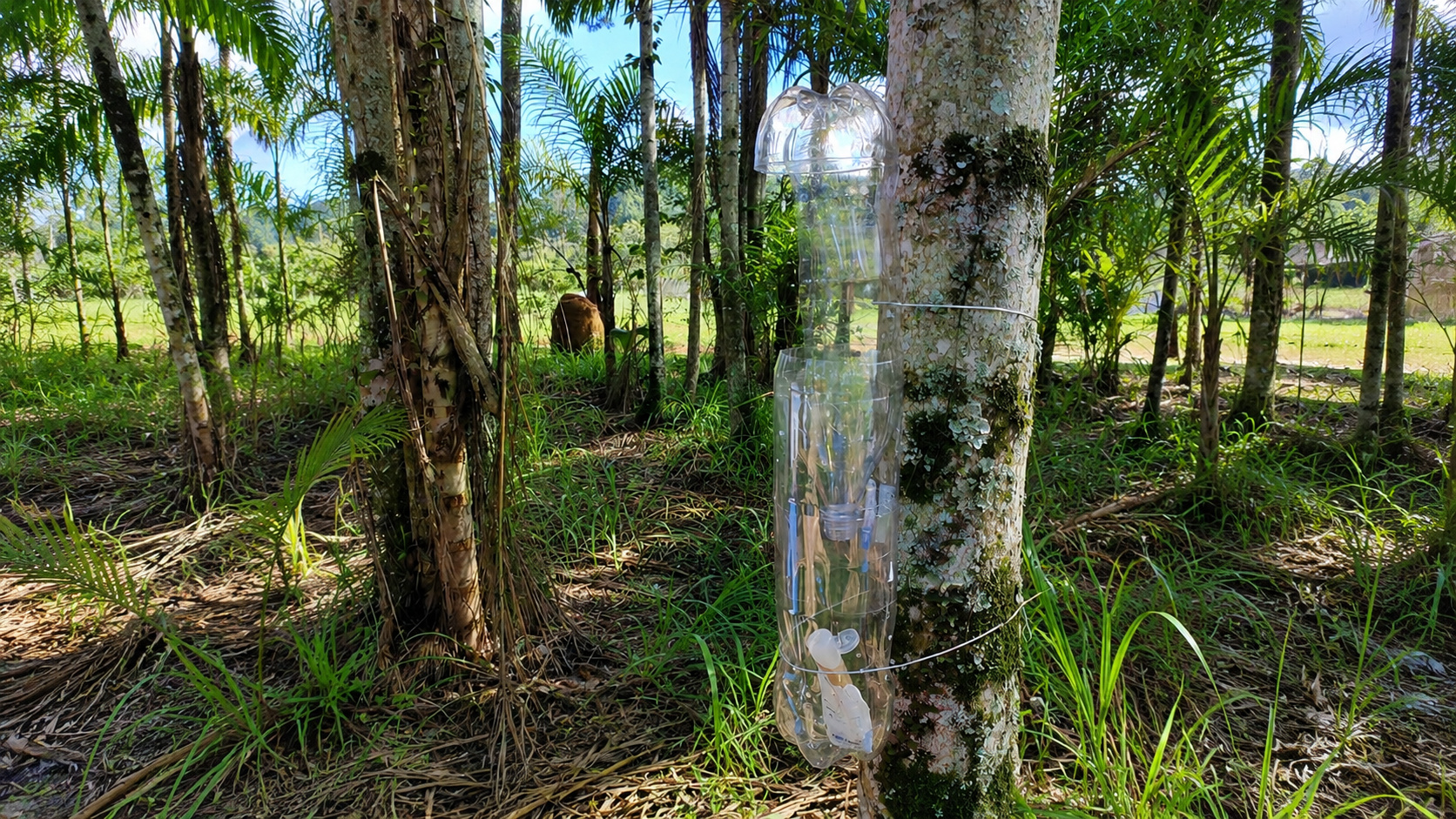
Quarantine Pest Threatening Palm Trees Puts Brazilian Authorities on Alert, Prompts Monitoring at University of Taubaté and Potential Control Measures Across São Paulo
-
Global Alert: Report Finds 159 Pesticides in Coffee Beans Sold in Europe, Posing Serious Risks to Millions of Farm Workers



- The level of direct or indirect involvement of the Chinese government with Brazilian authorities
- The number of Chinese or China-controlled companies with a presence in the national agribusiness
- Partnerships and joint ventures between Brazilian and Chinese companies
- The impacts on agricultural infrastructure, including energy, productive lands, and distribution
- Potential risks to global food security in case of Chinese dominance over agricultural chains
The document will be prepared in coordination with Secretary of State Marco Rubio and Secretary of Agriculture Brooke Rollins, and may include a confidential annex.
Brazil Had Never Been Mentioned in Laws of This Kind
In 280 pages, the bill mentions Brazil ten times — a small number but significant given the history. Countries such as Japan, the United Kingdom, and Germany were not mentioned. Brazil’s presence is restricted to the chapter on China and reflects U.S. concern over Beijing’s strategic advance in South America.
In addition to China (77 mentions), the text mentions Russia (28), Iran (19), North Korea (6), Cuba (6), and Venezuela (1). Brazil is included in this context as a potential geopolitical link in global influence disputes.
Tariff, Espionage, and Diplomatic Tension
The investigation proposal coincides with the 50% tariff announced by Trump, who directly cited the trial of former President Jair Bolsonaro and the “censorship” of American companies as political justifications.
Moreover, Brazil has a history of surveillance by the U.S., as revealed in the espionage episodes brought to light by Wikileaks in 2013. However, it had never been formally targeted in intelligence laws — making this move a significant shift in trilateral relations between Brazil, China, and the U.S.
What Are the Next Steps
The bill was approved in the Senate Intelligence Committee with 15 votes in favor and 2 against, and will move to a plenary vote. If approved, it will go to the House of Representatives and then to Trump’s sanction.
Even if the mention of Brazil is removed at some stage, the mere fact of its inclusion in the text is considered symbolic. According to analysts, this could influence how the U.S. treats Brazilian agribusiness in trade and diplomatic disputes in the coming years.
Do you think China is expanding its influence over Brazilian agribusiness? Is this U.S. investigation justifiable? Leave your opinion in the comments and join the debate.