






 Portuguese
  Spanish


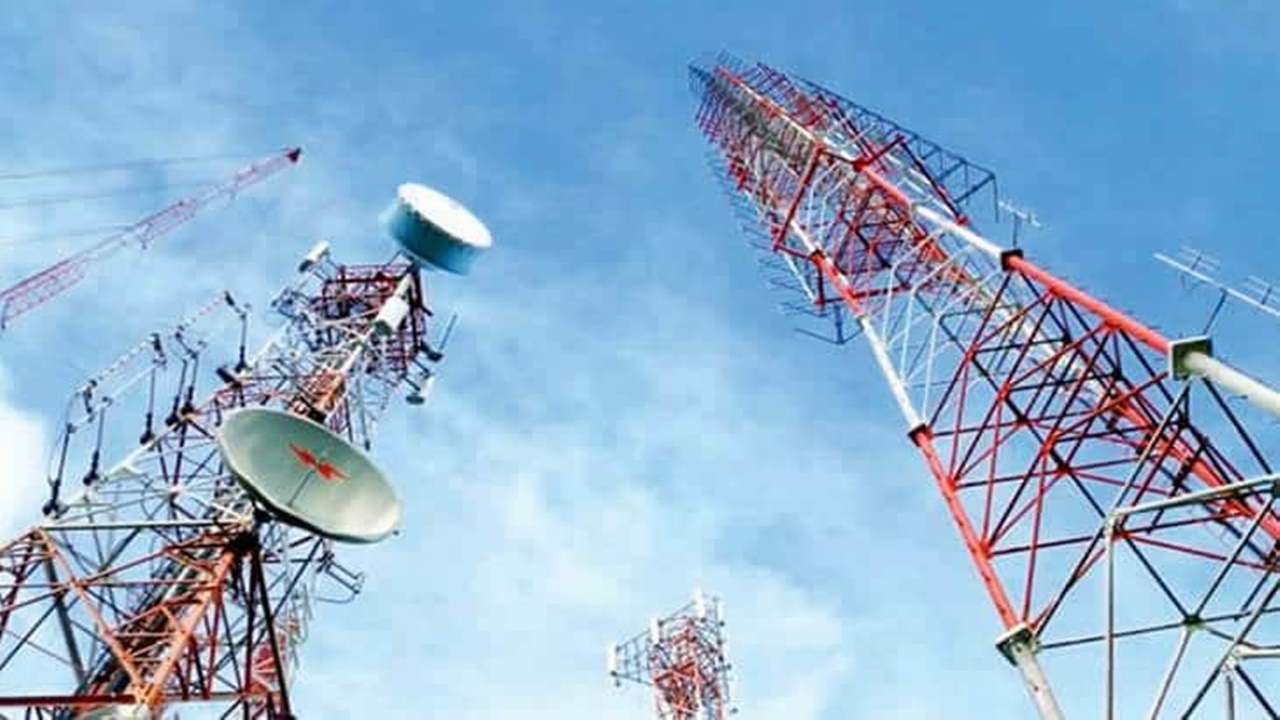
Planning, Especially Focused on ICMS (The Tax with the Greatest Impact on the Sector), Is Fundamental for Boosting Investments in a Strategic Area for Brazil, Says Specialist
Tax optimization is a path for telecommunications companies to reduce their tax burden. According to the Brazilian National Telecommunications Agency (Anatel), Brazil ranks fourth in the world for the tax burden on mobile telephony and the largest for broadband internet. At the same time, the sector is witnessing the 5G revolution knock on the door, which, on one hand, demands investments, but on the other hand, opens up possibilities for market expansion. It is in this scenario that accounting, tax, and fiscal planning become essential for businesses in the area.
Read Also
- Senac Offers 30 Free Online Courses (EAD) for Professional Qualification with Certificate
- 82nd Biodiesel Auction of ANP Negotiates 1.07 Billion Liters for Mandatory Blend with Diesel Oil
- Pre-Salt Reaches Record Production of Oil and Gas and Surpasses Total Accumulated Production in Onshore Fields Since 1941
- Gas Voucher Approved on Tuesday (10/19) by the Senate Will Use Resources from Royalties, Shared Oil, and Petrobras Dividends
Although it is a sector recognized for the presence of major players, there are also smaller companies spread across the country. Additionally, the sector is made up not only of telecommunication and internet operators but also an entire network of supplier companies and service providers. Therefore, reducing the tax burden has a positive impact on investments and the generation of strategic jobs for Brazil, as noted by consultant Lucas Ribeiro, founder and CEO of accountech and fintech ROIT BANK.
The Tax with the Greatest Impact Is the Tax on Circulation of Goods and Services (ICMS).
Apart from the actions and expectations regarding the tax reform (currently in Congress), the specialist advises companies to adopt tax optimization measures. Ribeiro explains that the tax with the greatest impact is the Tax on Circulation of Goods and Services (ICMS). Identifying the optimization of ICMS incidence is among the main opportunities.
-
MIT Scientists Develop Method to Transform CO₂ into a Construction Ally, Boosting Cement Strength by 13% in 24 Hours for More Sustainable Infrastructure

-
Canadian City Builds 8 Tiny Homes in 72 Hours for Homeless Youth, Plans 40 Affordable Houses for Female-Led Families Amid Housing Crisis

-
45-year-old Brazilian mother of 9 and grandmother of 12 receives 27 m² house made from recycled plastic, built in 15 hours with interlocking blocks and a recycled roof.
-
Ireland Installs 654 Modular Homes to Shelter 2,640 Ukrainian War Refugees, Offering a 60-Year Guarantee and a Model for Future Housing Crises


Under the responsibility of the states, ICMS rates vary from 25% to 37%, depending on the state. Furthermore, it also affects companies under the Simples Nacional regime that, when expanding (surpassing the ceiling of this tax regime), are surprised by the leap in the incidence of this tax. However, some states establish a scaling system. For companies under the Presumed Profit and Actual Profit regimes, fixed state rates apply.
Thus, Lucas Ribeiro emphasizes that efficient tax planning allows companies of all sizes to identify exactly how much they should pay in taxes, as well as benefit from ICMS credit policies. “It is about optimization, in search of tax fairness, so that one pays what is actually due, without waste,” he advises, highlighting the breadth of the telecommunications sector and the importance of fostering its development.
“The telecommunications area involves a wide production chain – industries and services in communication equipment, wireless communication, computing, among other segments. The telecommunications infrastructure is also essential to contemporary life, and the Covid-19 pandemic has highlighted this. Therefore, it is crucial that we have a precise understanding of the potentials and challenges so that we can define strategies and efficient use of resources,” says Ribeiro, who also presides over the Association of Brazilian Information Technology Companies in Paraná (Assespro-PR).








Be the first to react!