Portuguese
  Spanish


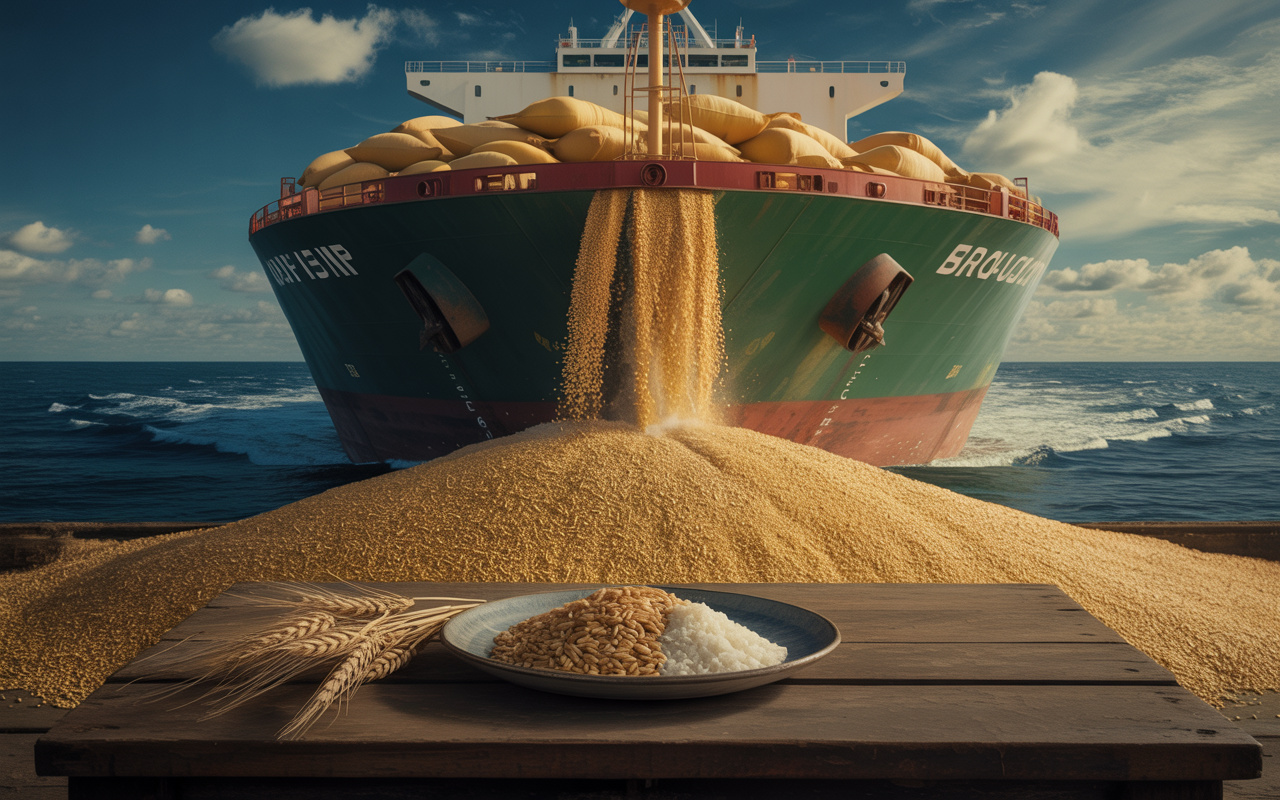


Brazil Exports Hundreds of Millions of Tons of Soybeans to China, but Spends Over US$ 2 Billion a Year on Chinese Pesticides. OEC Reveals a Cycle of Dependency That Threatens Agriculture.
The Brazilian agribusiness has consolidated as the engine of the national economy and a key player in global trade. Soybeans, the flagship of the agricultural agenda, generate billion-dollar surpluses and have China as its largest buyer, with shipments exceeding 100 million tons per year. In 2023, for example, Brazil exported over 127 million tons of soybeans, moving figures exceeding US$ 50 billion.
However, behind this impressive performance lies a structural contradiction: to sustain this machinery, Brazil imports gigantic quantities of agricultural inputs — especially pesticides — most of which come precisely from China. According to data from the Observatory of Economic Complexity (OEC), in 2024 Brazil spent US$ 2.08 billion on Chinese pesticides, revealing a cycle of dependency that threatens the productive base of agriculture.
Soybeans for China: The Billion-Dollar Machinery of Agriculture
The Brazil-China relationship has solidified as one of the most intense in international trade. On one hand, Brazil sends ships loaded with soybeans that feed the Chinese animal protein chain, supplying farms, industries, and supermarkets. On the other, it receives currency that strengthens the trade balance and supports part of the GDP.
-
Without anyone betting that Amazonian açaí would catch on in Rio Grande do Norte, he brought the seedling from Pará, planted 80 hectares, and transformed the “unlikely land” into a business that harvests 280 tons of fruit and exports pulp to Italy, the Netherlands, and Kuwait, proving that the superfood from the North thrived in the semi-arid region.

-
A company from SC that moves R$ 125 billion in agribusiness is integrated into an international group, maintains its headquarters and jobs in Chapecó, and is preparing to expand software for cooperatives, grain companies, and industries while targeting new markets without leaving the western region of Santa Catarina.

-
Producer receives news and had to cull almost the entire herd, bounced back with the help of compensation, and is now producing 450 liters of milk per day in SC.

-
Quail Eggs Reveal a “Secret Code” on Their Shells Explaining Unique Patterns and Colors

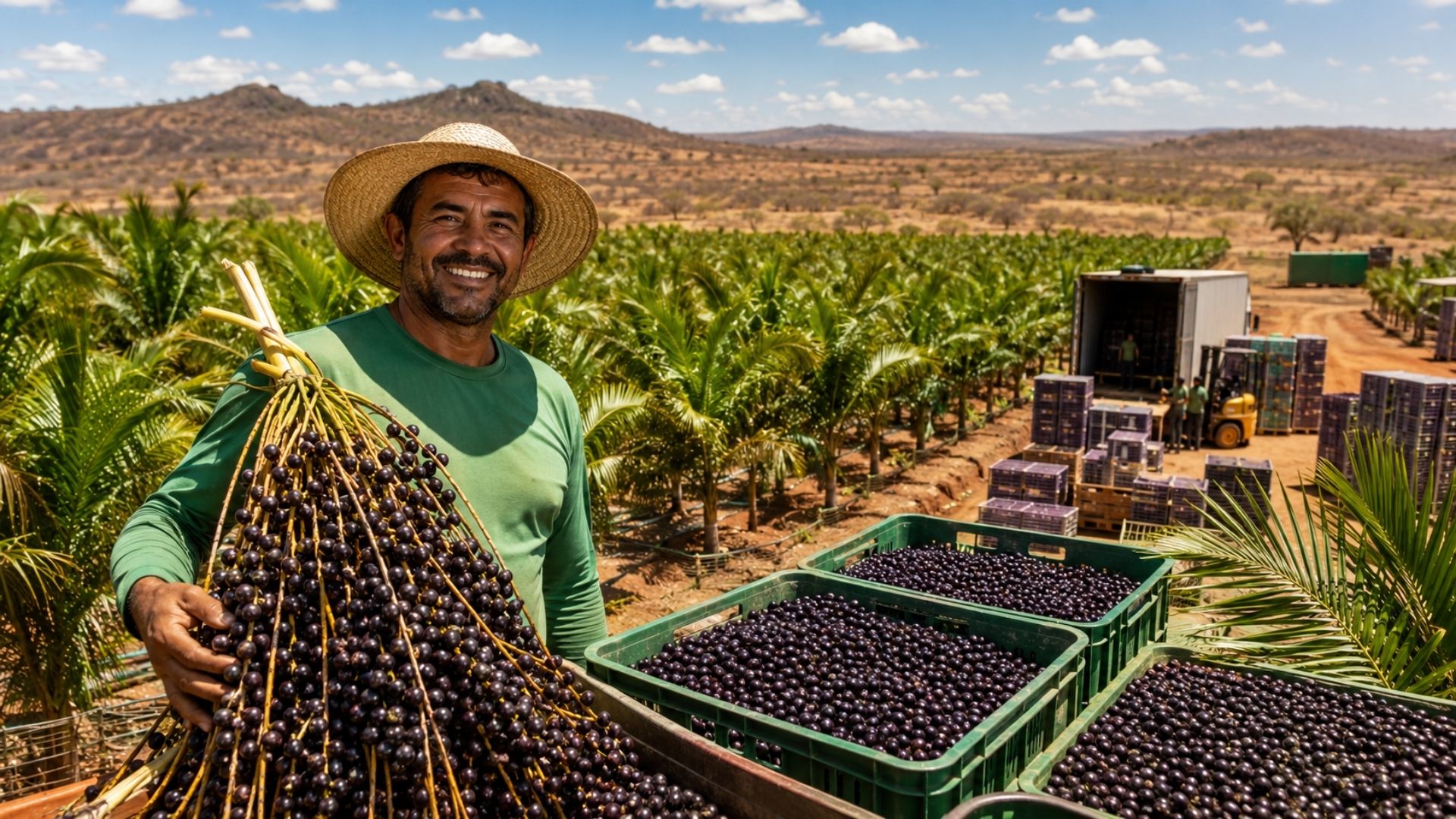


The exported volume is colossal: soybeans account for about 15% of all Brazilian exports and are responsible for nearly 70% of agricultural flow to China. This mutual dependence has made soybeans a strategic pillar of relations between the two countries.
The Bill That Comes Back in the Form of Pesticides
To maintain soybean productivity at extremely high levels — in some regions reaching over 60 bags per hectare, Brazil relies on fertilizers and agricultural chemicals. It’s at this point that external dependency becomes evident.
According to the OEC, in 2024 Brazil imported US$ 2.08 billion in Chinese pesticides, consolidating Beijing as the main supplier of pesticides.
The amount accounts for nearly one-third of all Brazilian purchases in this category, demonstrating that the Asian country is not only a buyer of commodities but also a supplier of the inputs that sustain the production of those same commodities.
It’s a paradoxical cycle: Brazil exports raw soybeans and imports processed chemicals from China to continue exporting more soybeans.
The Risk of Asymmetric Dependency
This model creates strategic vulnerabilities for Brazilian agribusiness:
- Price Risk – Any fluctuation in exchange rates or international pesticide costs directly impacts production costs in the field.
- Geopolitical Risk – Trade tensions or export restrictions imposed by China could compromise the supply of inputs in Brazil.
- Environmental and Health Risk – The heavy reliance on imported chemicals limits national autonomy to transition to more sustainable production models.
In other words, Brazil delivers commodities and, in return, receives the bill for the inputs that keep its machinery running.
Impacts on Producers and Consumers
For the rural producer, this dependency means tighter margins and vulnerability to the dollar. In 2022 and 2023, with the surge in global input prices, many farmers saw costs double, eroding part of the gains obtained from soybean exports.
For the final consumer, the effects are indirect but equally relevant. Higher costs in the field translate into more expensive food on the shelf, pressuring inflation and compromising the purchasing power of the population.
Experts warn that Brazil needs to reassess its strategy. While it’s natural to import part of the inputs, excessive concentration on a single supplier country increases risks. Furthermore, the lack of a robust national industry for pesticides and fertilizers limits the country’s autonomy in a vital sector for its economy.
The paradox is evident: Brazil sustains China’s food security with its soybeans, but depends on China itself for access to the inputs necessary to produce that soybeans.
Ways to Reduce Dependency
Some alternatives are under discussion:
- Diversification of Suppliers – Expand purchases from countries like India, Germany, and the United States to reduce concentration in China.
- National Input Industry – Stimulate the establishment of agrochemical and bio-input factories in Brazil, reducing costs and external dependency.
- Research and Innovation – Strengthen institutions like Embrapa to develop biological pesticides and sustainable solutions.
- Stockpiling Policy – Create strategic reserves of inputs to cushion supply crises.
Brazil presents itself to the world as an agricultural powerhouse and a reliable food supplier. But internally, it depends on billion-dollar imports of inputs to maintain this position.
While exporting hundreds of millions of tons of soybeans, it remains trapped in a cycle where wealth leaves in ships, and the bill comes back in the form of Chinese pesticides. What is your opinion on this?