






 Portuguese
  Spanish
  2 min of reading
  0 comments


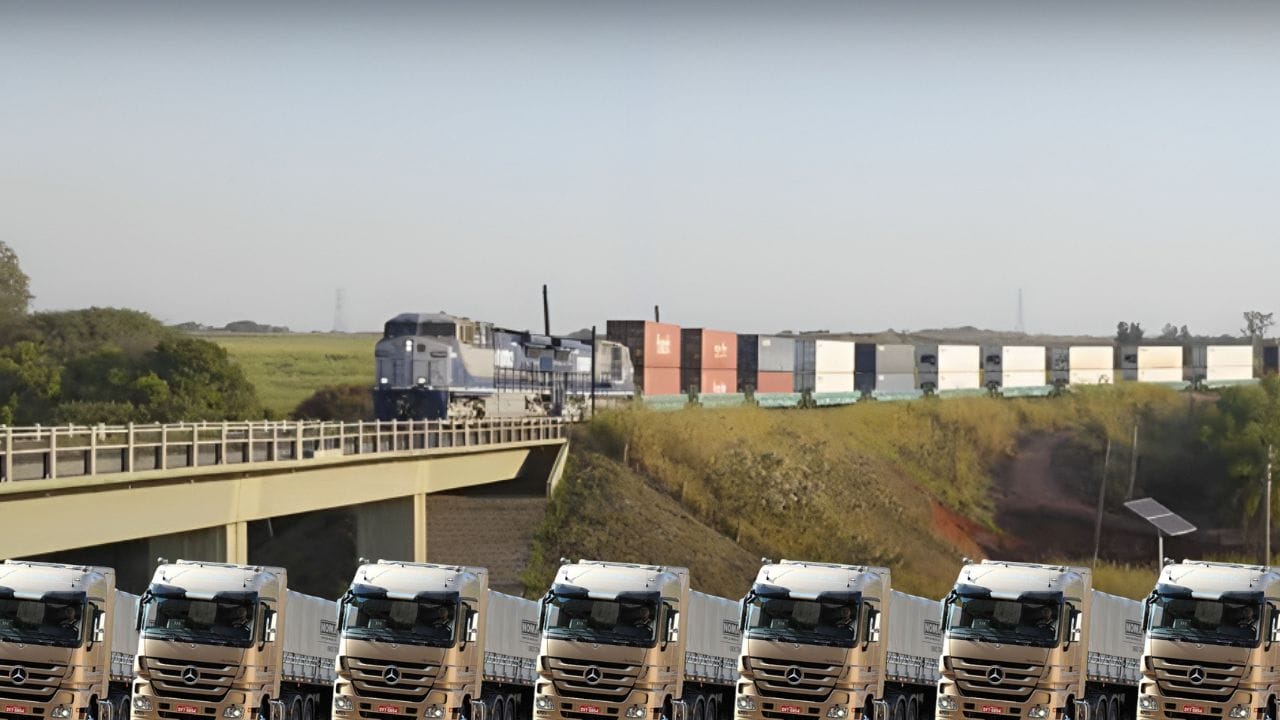
Revolutionizing Freight Transportation in Brazil, the Double Stack Train, which Began Operating in 2019, is the First of Its Kind in Latin America and is Getting People Talking. But What is So Special About It? Let’s Find Out!
Since the coffee days, trains have been a key piece in Brazil. In 1957, the railway network reached 31,000 km, but after that, things took a downturn.
Highways gained preference and railways were somewhat left aside. But, as they say, “not all is lost.” The Brazilian railway industry is making a comeback, and the Double Stack train is proof of that.
Double Stack: The Giant of the Tracks in Brazil


The Double Stack train is a true colossus. With two-story cars, it increases transportation capacity by 40%.
-
Railway returns to prominence in Brazil after STF approval: a R$ 25.2 billion project promises to save R$ 9 billion in freight, transport 50 million tons per year, and transform Sinop into a logistics powerhouse for agribusiness.

-
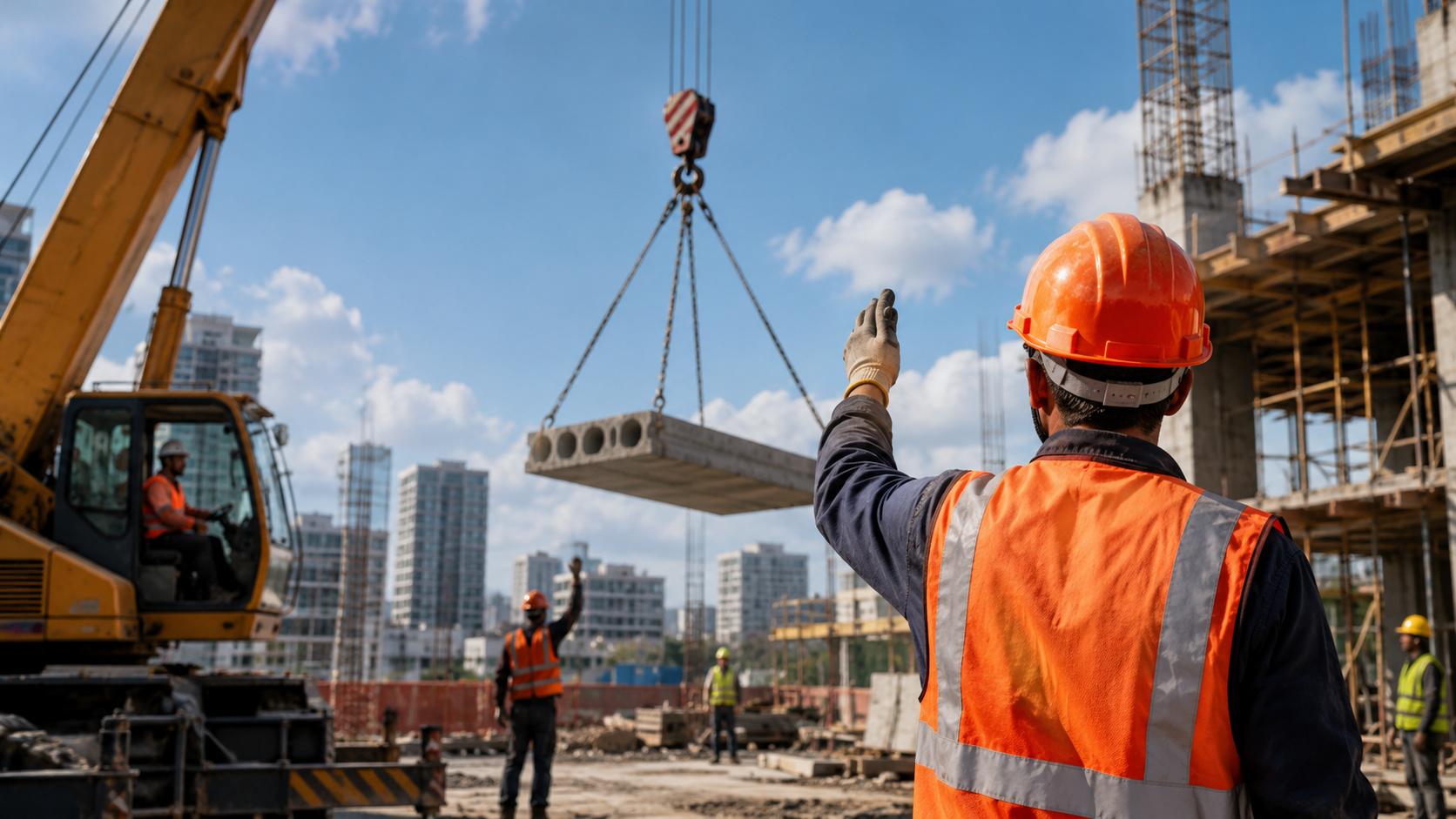
Why can the crane operator only obey the correct signalman on the construction site: among dozens of workers, a hand raised by the wrong person can confuse the maneuver and turn a load of tons into an immediate risk.

-
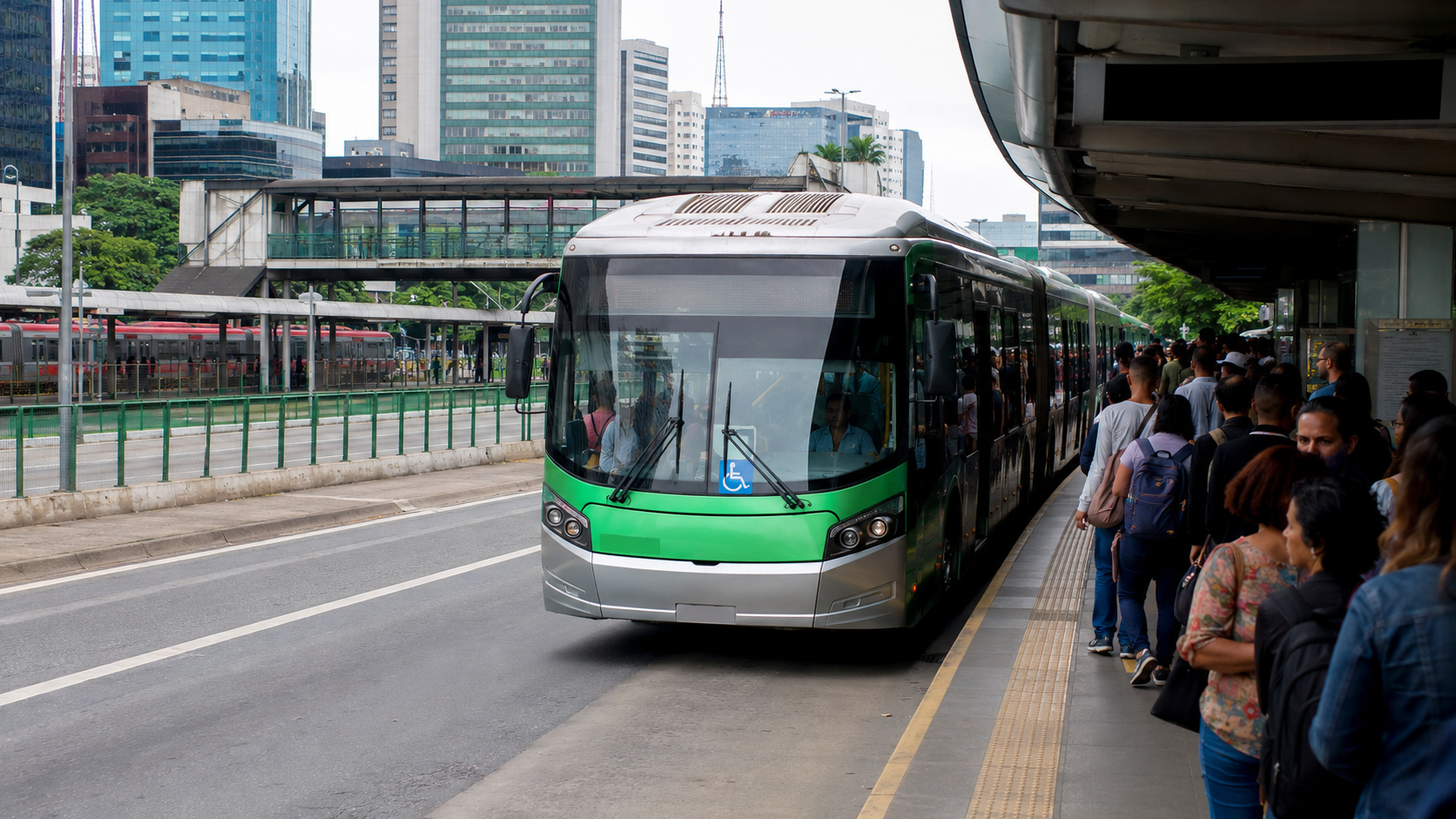
What changes with the new public transportation rules that can reduce pressure on fares and pave the way for zero fare in Brazil?
-
Retired trains leave European tracks and become tons of steel, aluminum, and copper in dismantling yards where recycling exceeds 90%, but batteries, composites, and electronics create a new frontier of railway waste.


This means it can carry up to three stacked containers, including one 40-foot container and two 20-foot containers. And it doesn’t stop there: it can also carry a 53-foot container. It’s never-ending cargo!
Besides Being a Monster in Transportation, the Double Stack is an Environmental Friend
Compared to trucks, it emits much less pollution. And on top of that, it’s more economical: a train with 100 cars can replace up to 140 trucks with double trailers. That’s economy and sustainability right there!
Of course, getting a train like this on the tracks isn’t easy. It required 27 works on the paulista network, including adjustments to walkways, overpasses, and even vegetation. But, as the saying goes, “nothing ventured, nothing gained.” And Brado Logística, responsible for the project, has shown it’s willing to play this game.
The Bright Future of Brazilian Railways
The Double Stack train is just the beginning. With the completion of the North-South Railway and other projects underway, the future of railways in Brazil is shining brighter than a new car’s headlights.
The expectation is that, by 2055, 22.7 million tons of cargo will pass through the North-South tracks. And the Double Stack will be there, strong and steady, helping to carry that load.
The Double Stack train is showing that Brazil can indeed be a giant in railway transportation. With more cargo, less pollution, and savings in the pocket, it is here to prove that when it comes to innovation, we are also at the forefront.






Be the first to react!