Portuguese
  Spanish


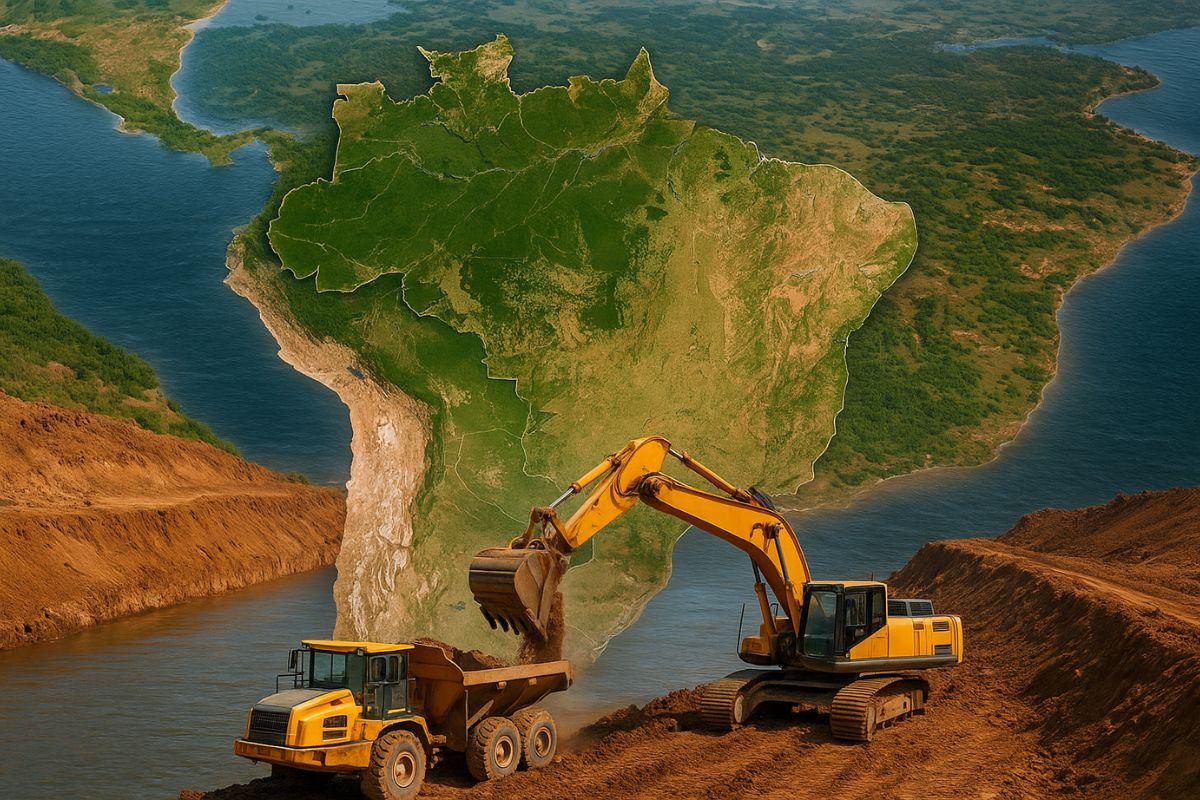


With 1,300 Km of Channels, The Ceará Water Belt Promises to Bring Water Security to Millions and Transform Agriculture in the Semiarid
The Brazil wants to create a water belt in Ceará as part of a national strategy to reduce the impacts of drought in the Northeast. The project, known as the Ceará Water Belt (CAC), is a water infrastructure work over 1,300 km long, aimed at distributing water from the São Francisco River to critical regions of the state.
Integrated with the São Francisco Integration Project (PISF), the CAC is executed by the Ceará government with federal support. The goal is to ensure human supply, strengthen agricultural production, and mitigate the effects of drought that affect millions of people in municipalities such as Crato, Juazeiro do Norte, Nova Olinda, and Barbalha.
What Is The Ceará Water Belt

The Brazil wants to create a water belt in Ceará to connect large reservoirs such as Orós and Castanhão to the most vulnerable watersheds. The system uses channels, tunnels, and siphons, with predominantly gravitational operation, which reduces energy costs. Section 1, already in an advanced phase, goes from the Jati dam to the Cariús River.
-
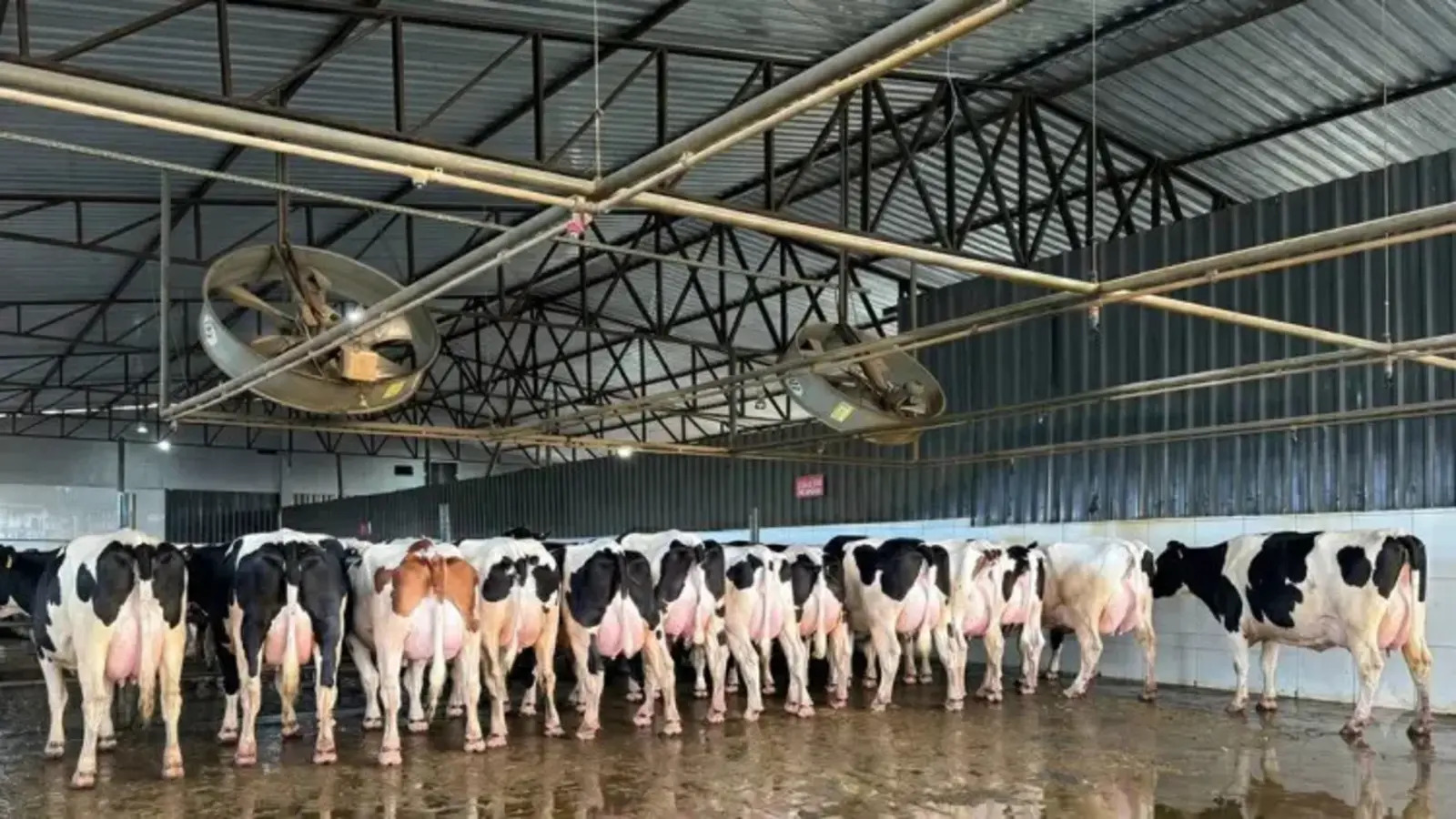
Innovative Farm in Northeastern Brazil Combats Drought with Advanced Techniques, Aiming for 10,000 Liters of Milk Daily Production

-
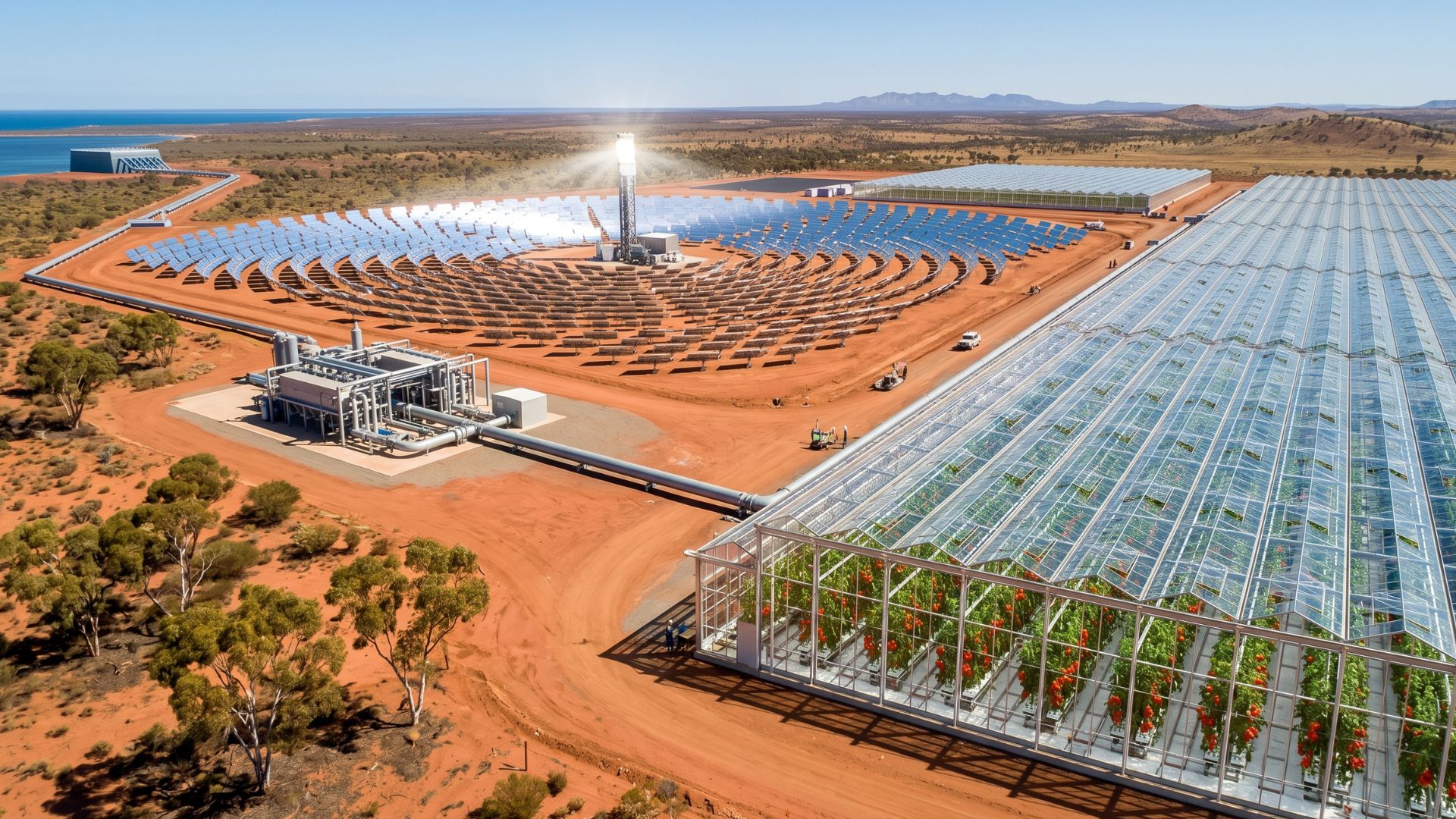
Australian Desert Farm Uses Solar Power and Seawater to Produce 15,000 Tons of Tomatoes Annually, Resembling a Sci-Fi Agricultural Innovation

-
Brazilian Child Becomes National Role Model by Turning Financial Education Lesson into Thriving Poultry Business with 25 Hens and 150 Eggs Weekly
-
California’s Almond Industry Consumes Over 4 Trillion Liters of Water Annually Amid Drought, Relies on Trucked-In Bees for Pollination

According to data from the Ceará Water Resources Secretary (SRH), more than 5 million people in 24 municipalities are expected to benefit. By May 2025, 83% of Section 1 had already been completed. Lots 1, 2, and 5 are ready, while Lots 3 and 4 are expected to be finished by June 2026.
Investment and Impact for Brazil

The investment in the CAC has already exceeded R$ 2 billion, with transfers from the federal government and state counter-contributions. Only in April 2025, R$ 46.9 million were released to accelerate the works.
The Brazil wants to create a water belt in Ceará to change realities like those from 2012 to 2018, when 90% of Ceará’s municipalities suffered agricultural losses exceeding R$ 10 billion per year. Studies indicate that, with irrigation, rural productivity can grow by up to 30%, reducing exodus and generating direct and indirect jobs.
Challenges and Controversies
Despite the advances, the project faces criticism and challenges. Rural communities have reported forced displacements, especially in the Baixio das Palmeiras region in Crato. Environmentalists also demand more in-depth studies on the risk of soil salinization and impact on local fauna.
The Federal Court of Accounts (TCU) has been monitoring the bids since 2013. In 2023, the state government had to respond to fake news alleging “stagnant waters” and “dry channels”, which was debunked by images and technical inspections.
Future: A New Reality for the Semiarid
The Brazil wants to create a water belt in Ceará as part of the New PAC and in response to climate change. With rainfall up to 54% below average in El Niño years, the project becomes even more urgent.
Led by Governor Elmano de Freitas and supported by the Ministry of Integration and Regional Development, the project consolidates Ceará as a national water hub. In the end, it could represent a historic turning point in coping with drought in the Northeast.