Portuguese
  Spanish


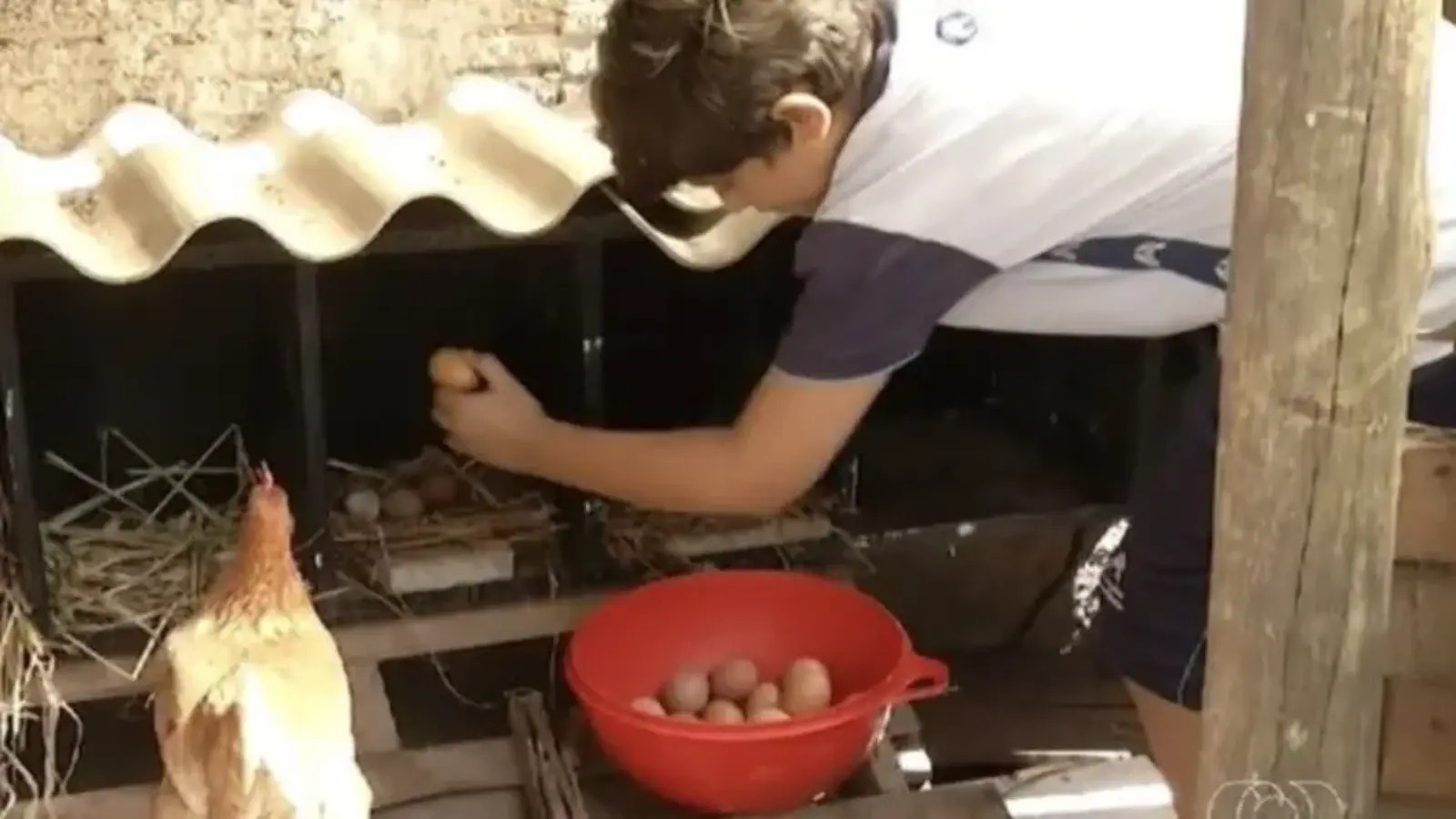

With family support, Davi Luís Alves takes care of 25 hens, manages sales and expenses, gains customers through social media, and prepares 40 chicks to expand egg production in the coming months
At 11 years old, Davi Luís Alves turned a financial education activity into a small egg production business in Palmas, Tocantins. With 25 improved hens, the young producer already sells about 150 eggs per week, manages his own cash flow, and is preparing to expand the farm with 40 more chicks.


Egg production started as a lesson at home
The project was born with family support and the aim of teaching, in practice, how money management works.
Before taking any profit, Davi needed to recover the amount invested in the structure and pay the farming expenses.
-
California’s Almond Industry Consumes Over 4 Trillion Liters of Water Annually Amid Drought, Relies on Trucked-In Bees for Pollination

-
India’s Sugar Export Cuts and Ethanol Shift Amid El Niño Threat Could Impact Global Prices and Stocks

-
Quarantine Pest Threatening Palm Trees Puts Brazilian Authorities on Alert, Prompts Monitoring at University of Taubaté and Potential Control Measures Across São Paulo
-
Global Alert: Report Finds 159 Pesticides in Coffee Beans Sold in Europe, Posing Serious Risks to Millions of Farm Workers



According to his mother, Bruna Alves, the proposal was to show that every commercial activity has costs to operate. Initially, the money obtained from the eggs was immediately used to pay off business-related bills.
“When money came in, I already had to pay bills. I was left with no money in the account,” Davi recalled about the initial phase of the farm.
After covering the initial costs, the boy started to operate at a profit. Currently, he manages the money received and uses part of his own resources to buy feed and maintain the farm.
Social media expanded sales in Palmas
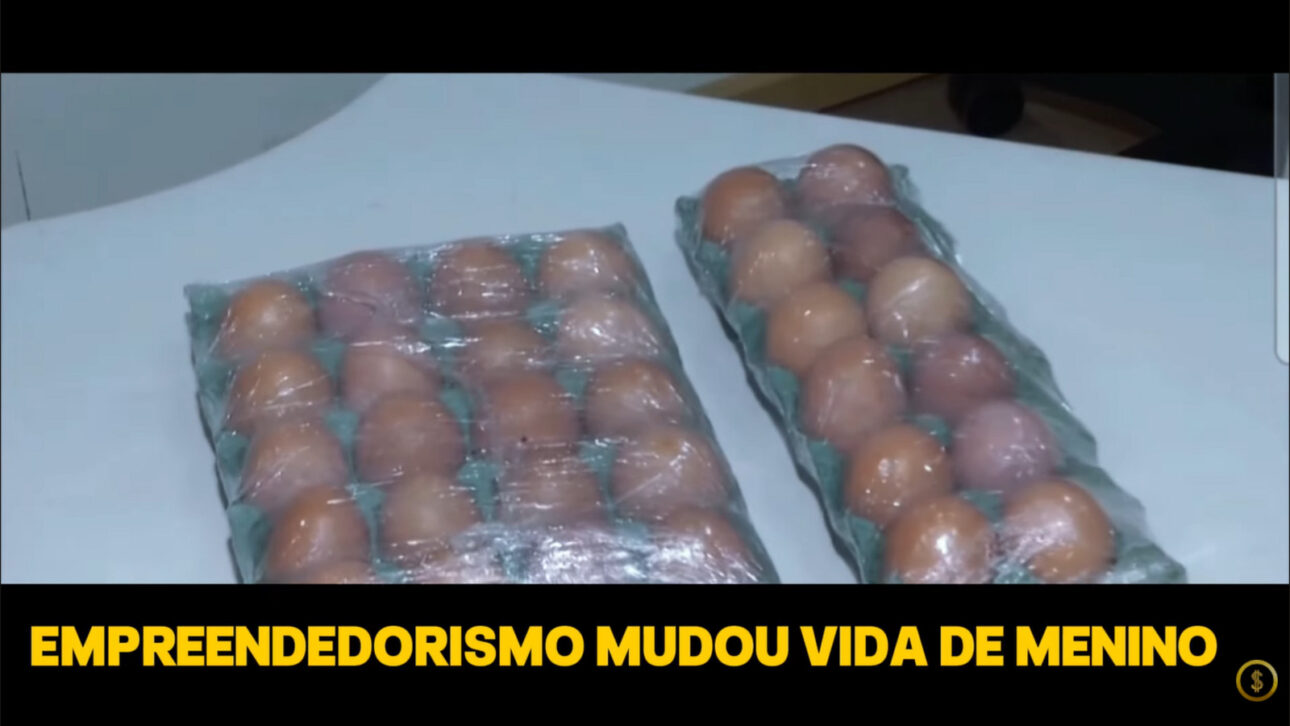
The structure is still simple, but it already houses 25 improved hens, responsible for a weekly average of 150 eggs. Initially, the buyers were friends, neighbors, and people close to the family.
Social media helped expand this audience. Bruna posts videos showing the cleaning and care of the farm, which attracts consumers from other areas.
“When my mother posts that we come here to clean, she makes a video and posts it. Then people from outside come. I go there, sell, and the money goes to my account,” explained Davi.
The business also began to form a regular clientele. Teacher Roberta Bianca Lelis, for example, started buying eggs produced by the boy every 15 days.
In addition to raising the birds, Davi keeps track of the number of available cartons and records the sales. This control allows him to organize orders and assess the current service capacity.
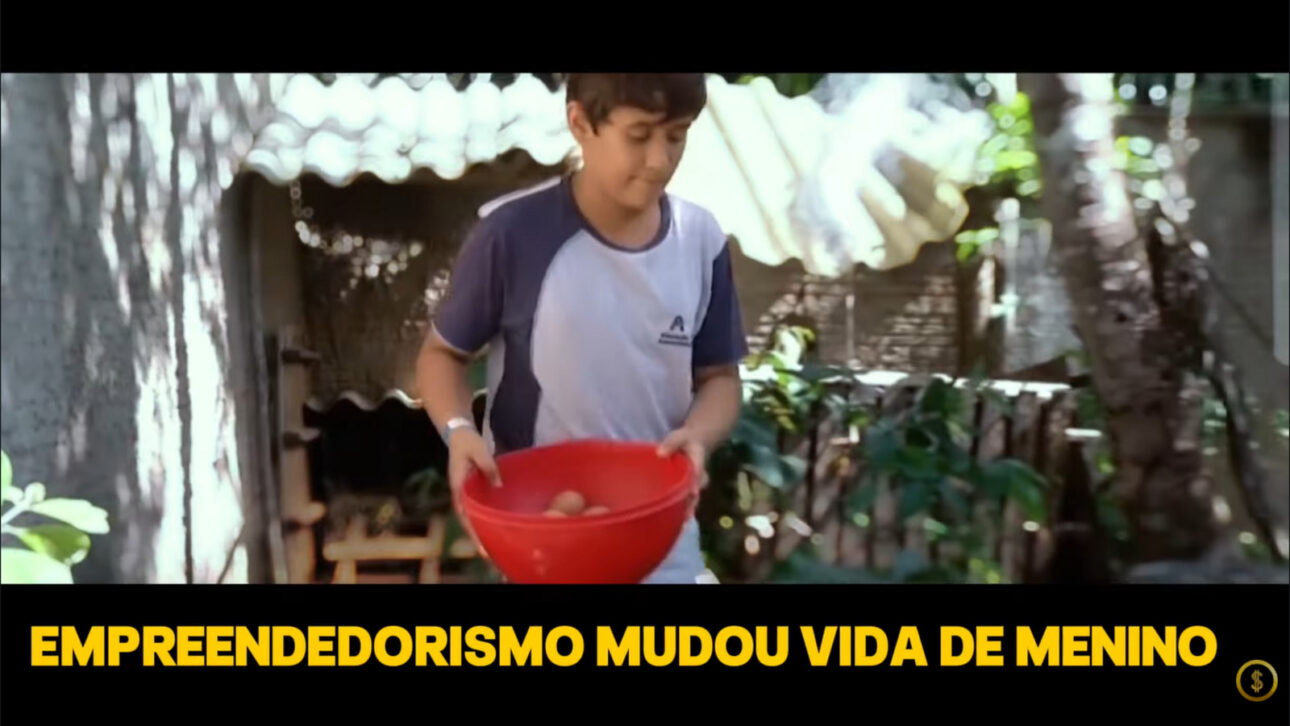
Farm to gain 40 more producing birds
With the growing demand, Davi is already preparing the next stage of egg production. The farm has 40 chicks that should start producing in about five months.
The boy also plans to acquire new birds. The expansion will be done in an organized manner, following the availability of eggs, the sales made, and the costs necessary to maintain the structure.
The expansion represents an important change in the scale of the business. Currently, the 25 hens produce about 150 eggs per week.
The introduction of new birds could increase the farm’s capacity when they reach the productive phase.
Profit also used in solidarity action
The experience went beyond the property and reached the school. Davi used part of the profit obtained from egg sales to contribute to a solidarity action donating milk to underprivileged children.
For principal Priscila Patrícia Silva, teaching the value of money helps children reflect on how they use their resources and contributes to the formation of more financially balanced adults.
With regular customers, expense control, purchase of supplies, and expansion plans, egg production went from an educational activity to a business managed by the young man with family support.
This article was prepared based on the information, data, numbers, and statements present in the provided base material, preserved as per the consulted content.