Portuguese
  Spanish


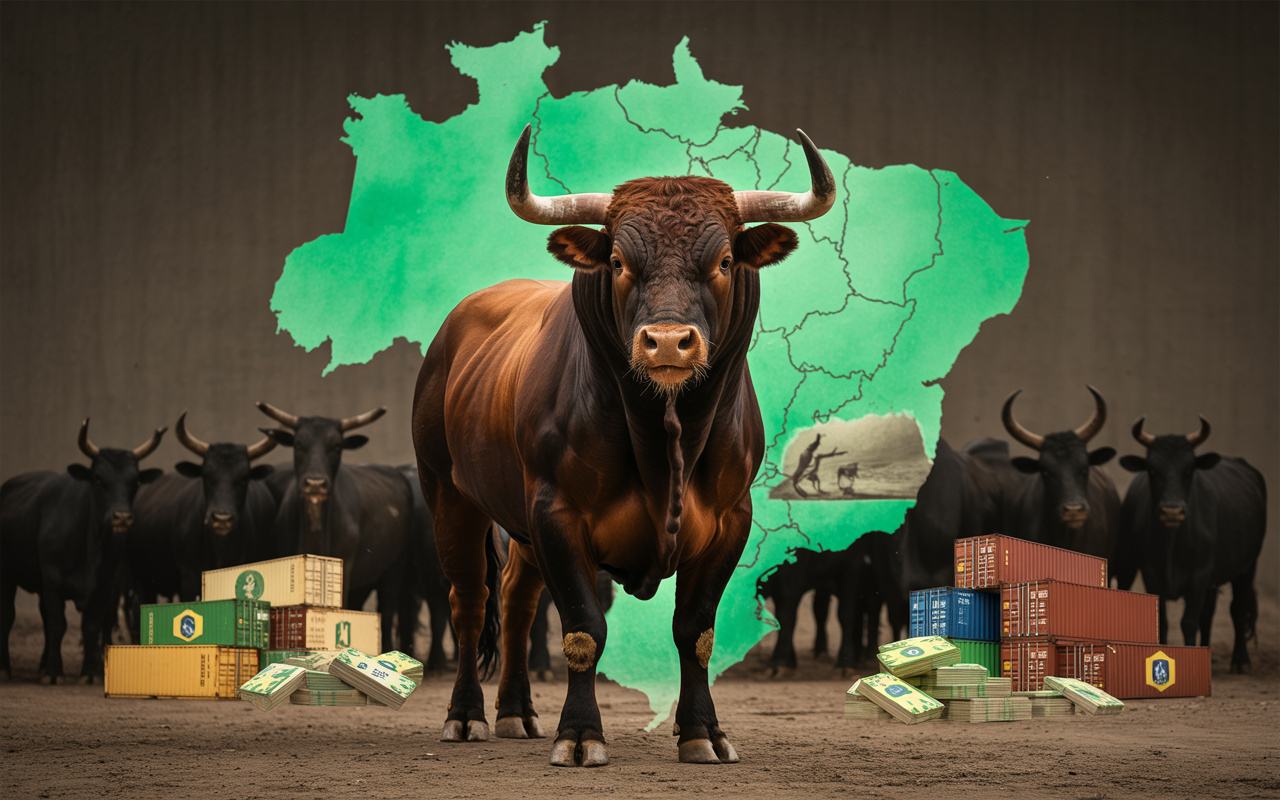

With More Than 224 Million Cattle, Brazil Has a Herd Larger Than Its Population and Solidifies Itself as a Global Power in Meat Production and Exports.
Brazil is home to one of the largest commercial cattle herds on the planet, with more than 224 million head of cattle, according to IBGE. To give an idea of the scale, this number is larger than the Brazilian population, estimated at about 203 million inhabitants. It’s as if every Brazilian had a cow at their disposal. This impressive statistic is not just curious: it supports the country’s position as one of the largest producers and exporters of beef in the world, generating billions of dollars each year and solidifying livestock farming as a pillar of the national economy.
Livestock Farming and Economy: More Cows Than People
The fact that Brazil has more cows than people reveals the monumental scale of the livestock sector. Spread across about 160 million hectares of pastures, this herd is the backbone of thousands of municipalities in the interior, where cattle ranching generates jobs, stimulates local commerce, and ensures tax revenue.

In 2023, beef exports surpassed 2.2 million tons, with revenue nearing 10 billion dollars, with China as the main destination. Half of the meat exported by Brazil goes to the Asian giant, consolidating Brazilian cattle as a key component of global food security.
-
Brazilian Farmers with Basic Education Create Backyard Machines That Win National Invention Contest, Beating 242 Projects

-
Brazilian Farm Innovates with Cage-Free Chickens, Producing 3,300 Odorless Eggs Daily

-
From Selling Unsold Saplings to Creating Brazil’s Most Awarded Olive Oil Brand with 330 Accolades and a $12 Million Goal by 2026
-
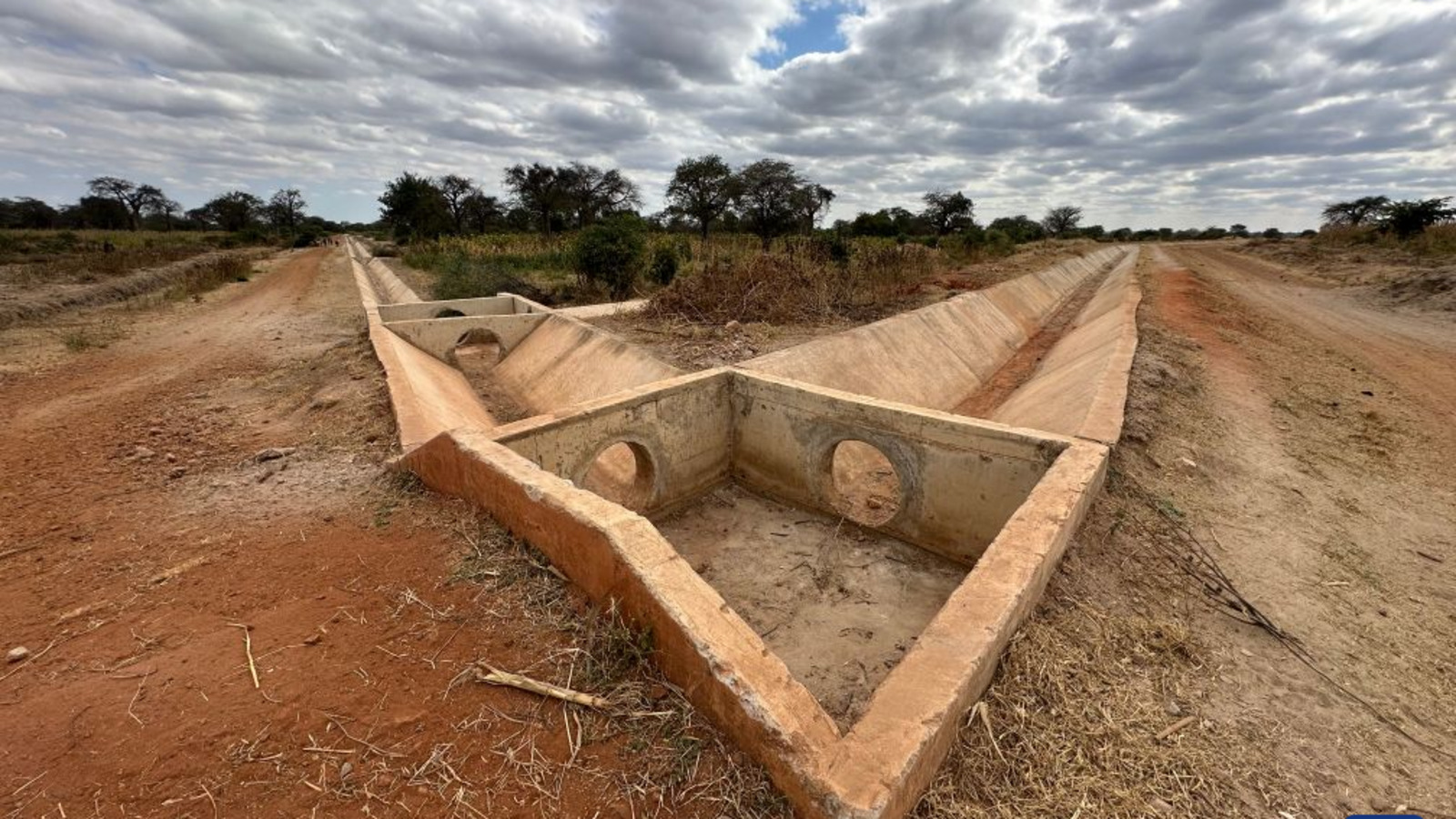
China Builds 400-Hectare Irrigation System in Tanzania to Aid 1,000 Families Dependent on Rainfall


The Power of the Brazilian Cattle Herd
The magnitude of the Brazilian herd puts the country in a prominent position compared to other powers. India has the highest number of cattle overall, but most are not intended for meat production for cultural and religious reasons. The United States has strong productivity and technology in confinement, but with a herd smaller than Brazil’s.
This is precisely where Brazil excels: in addition to having one of the largest commercially viable herds, it can supply both the domestic market and hundreds of overseas destinations, something that few countries can replicate on a similar scale.
From Pasture to Plate: Evolution of Livestock Farming
For a long time, the image of Brazilian livestock farming was associated with extensive pasture areas and low productivity. Today, however, this picture has changed. The sector has been incorporating advanced genetics, precision nutrition, and even electronic sensors to monitor animal weight gain.
In various regions, confinement and semi-confinement systems reduce fattening time and increase production per hectare. With each harvest, Brazil proves it can produce more meat in less space, meeting global pressure for efficiency and sustainability.
Environmental Challenges and Global Pressures
The grandeur of the Brazilian cattle herd, however, does not come without challenges. Livestock farming is constantly at the center of environmental debate, whether due to the risk of encroachment on sensitive areas of the Amazon and Cerrado or due to methane emissions from animals.
Critics point out that the activity needs to advance in sustainable practices, while producers emphasize that the recovery of degraded pastures and integrated crop-livestock-forest systems are already showing positive results. Carbon-neutral meat projects and digital tracking of animals are examples of how the sector seeks to reinvent itself in the face of international pressure.
A Giant That Drives the Trade Balance
More than supplying Brazilian barbecues, cattle is a piece of economic and diplomatic policy. The herd guarantees Brazil a presence in more than 150 markets, from premium cuts served in restaurants in Europe to processed meat consumed in emerging countries.

This strength transforms livestock farming into a strategic engine: it generates jobs in slaughterhouses, transportation companies, tanneries, and leather industries, in addition to influencing commercial negotiations at the international level.
The Future of Brazilian Cattle
With a herd exceeding 224 million heads, Brazil faces a crucial challenge: to maintain global leadership without compromising sustainability. The trend is clear: more technology, more traceability, greater productivity in already opened areas, and an increasing quest for environmental certifications.
If it can align efficiency and preservation, the country will remain consolidated as the world’s largest beef exporting power, with a title that no other country can contest: having more cows than people.