Portuguese
  Spanish


Trump Tariffs Impact Brazilian Exports And China Cannot Absorb Surplus; Experts Point To Serious Economic Consequences.
The Brazilian government is racing against time to prevent the new Trump tariffs on national products from coming into effect. The measure, which could raise taxes on goods exported to the United States by up to 50% starting August 1, has generated intense diplomatic activity.
A delegation of senators was in Washington this week, while Vice President Geraldo Alckmin is coordinating with U.S. Secretary of Commerce Howard Lutnick, seeking a list of exemptions.
However, with deadlines approaching and uncertainties in the air, concerns are growing about the impacts on the Brazilian economy and the lack of alternatives—especially regarding China, which, despite being Brazil’s largest trading partner, does not absorb the same types of products.
-
European Parliament Approves Digital Euro, Aiming to Challenge Visa and Mastercard’s Dominance and Transform Payments Across Europe by 2029

-
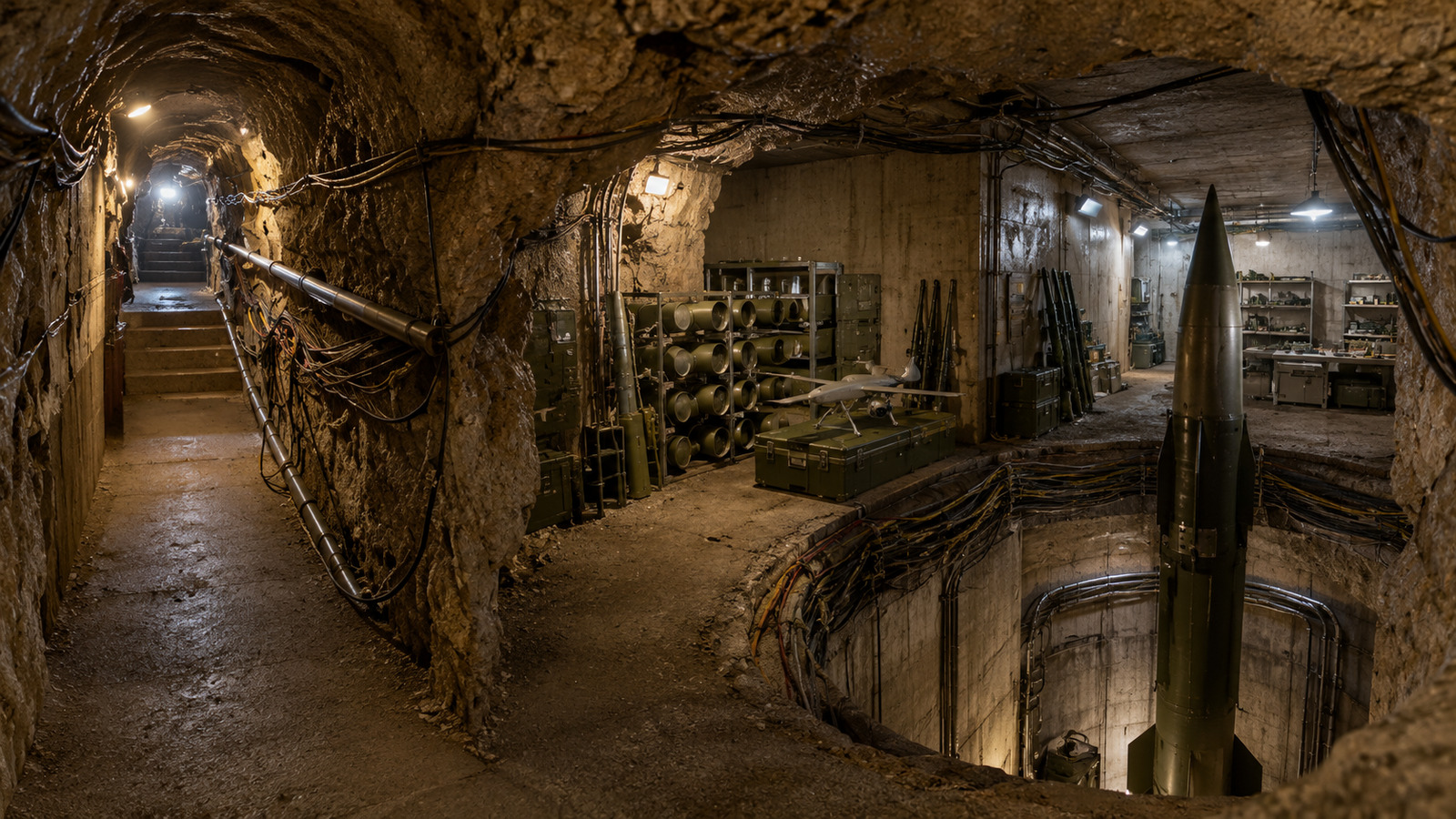
Israel finds Hezbollah militarized tunnel over 200 meters long under village, with 4 missile launch shafts, 12 chambers, anti-tank missiles, drones, and weapons depots at a depth of 25 meters.

-
Ukraine launches largest drone attack on Moscow since 2022, Russia claims to have intercepted nearly 200 aircraft near the capital, Kapotnya refinery targeted again, and offensive reignites alert about war reaching the Russian energy heart just a few kilometers from the Kremlin.

-
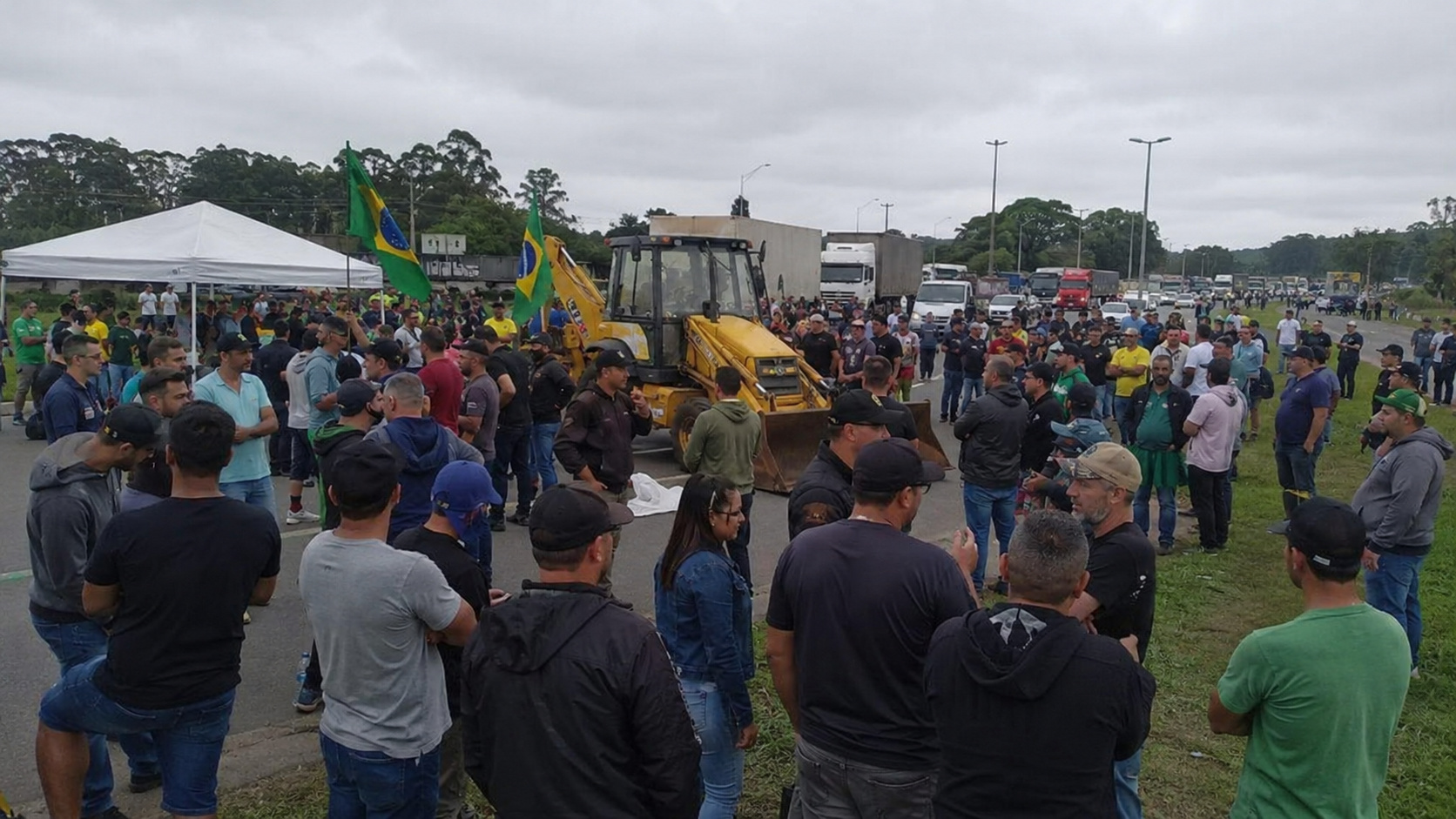
Truck drivers, freight, and fines from 2022 take center stage in politics: Chamber approves MP with amnesty, mandatory tracking by CIOT, million-dollar penalties, and new minimum wage for those who spend more than 24 hours on the road.


U.S. And China: Distinct Partners With Different Demands
Although they are the two main destinations for Brazilian exports, U.S. and China demand completely different profiles of products.
According to Livio Ribeiro from the Brazilian Institute of Economics at FGV, the American market primarily imports manufactured goods from Brazil, such as airplanes, auto parts, and intermediate products like steel ingots.
In contrast, China focuses its import agenda on commodities: between January and June, 40% of purchases were soybeans, followed by oil (19%) and iron ore (17%).
This divergence complicates any attempt at redirection. “Our agenda for the United States is very peculiar within the universe of products we sell to the world,” Ribeiro explains.
Commodities Can Be Redirected, But At Lower Prices
Even with some commodities being exported to both the U.S. and China, such as oil, beef, and iron ore, the scenario remains challenging. Guilherme Klein, an economist at the University of Leeds, warns that the excess supply in the international market has already been putting downward pressure on prices.
Although China may absorb some of this surplus for geopolitical reasons, it would not offset the impact of the tariffs imposed by Trump. “It’s hard to separate what will be geopolitical from what will be economic interest,” Klein states.
Industrial Sectors Are The Most Vulnerable To Tariffs
Among the most affected by Trump’s tariffs are the sectors that rely heavily on the North American market. Orange juice, for example, exports 41.7% of its production to the U.S. CitrusBR stated that the new tariff would create an “unsustainable condition” for the sector, which is already facing a historic surcharge. “Harvests are interrupted, the flow of factories is disorganized,” says the association.
Another sector on alert is auto parts and agricultural equipment, which involve intra-firm trade and specific technical standards that are difficult to adapt to new markets. “There’s still not much we can do to transfer [these items] to other markets,” notes Welber Barral, former Secretary of Foreign Trade.
High-Tech Industries Also Feel The Effects
The aviation industry is another sector at high risk. Embraer, whose revenue relies 60% on the North American market, could see up to 46% of its revenue affected by the tariffs. Weg, a manufacturer of electronics, would also be exposed, albeit to a lesser degree—about 7% of its revenue could be directly impacted.
These companies not only sell to the U.S. but also import parts and components from there. In a trade war scenario, rising operational costs could halt investments and affect the entire production chain.
Brazilian Coffee: Hard To Replace, But Still Threatened
Even high-demand products like coffee are not spared from concern. Brazil accounts for about one-third of U.S. coffee imports, making substitution difficult. Cecafé warned that if the tariffs are confirmed, Americans will have to choose between paying more or reducing consumption.
“We are hoping that good sense will prevail because we know that who will bear the burden is the American consumer,” said Marcos Matos, Director-General of Cecafé.
Tariff With Political Motivation?
Trump’s argument for implementing the new tariff is based on the American trade deficit. However, the balance between Brazil and the U.S. is surplus for Americans, raising suspicions about political motivations.
In a letter to Lula, Trump mentioned the judicial process against Bolsonaro, accusing Brazil of persecuting the former president and restricting freedom of expression.
“The judicial process against those who planned the coup is solely the responsibility of Brazilian Justice,” Lula responded in an official statement, asserting that the country will not accept threats to its sovereignty.