Portuguese
  Spanish



Brazilian Mining Invests in Clean Energy and Takes Sustainable Plan to COP30 with Bold Goals That Promise to Revolutionize the Sector by 2030.
Brazilian Mining Accelerates Towards Clean Energy and Announces Goals for COP30
Mining in Brazil has taken a decisive step towards sustainability. This Tuesday (28), the Brazilian Mining Institute (Ibram) announced five goals that will be presented at COP30 in Belém (PA), reinforcing the sector’s role in producing clean energy and in the transition to a low-carbon economy.
During Exposibram, the largest mining event in the country, the measures were detailed, demonstrating the sector’s commitment to fighting climate change and advancing renewable energies.
According to the president of Ibram, Raul Jungmann, mining is fundamental for the global energy future. “The great challenge we face today is precisely the climate emergency.
-
China could reduce iron ore imports from 80% to 50% of consumption by 2030, while its share in global steel production falls from 52% to 46%, in a shift that could reshape the global market, says CMRG.

-
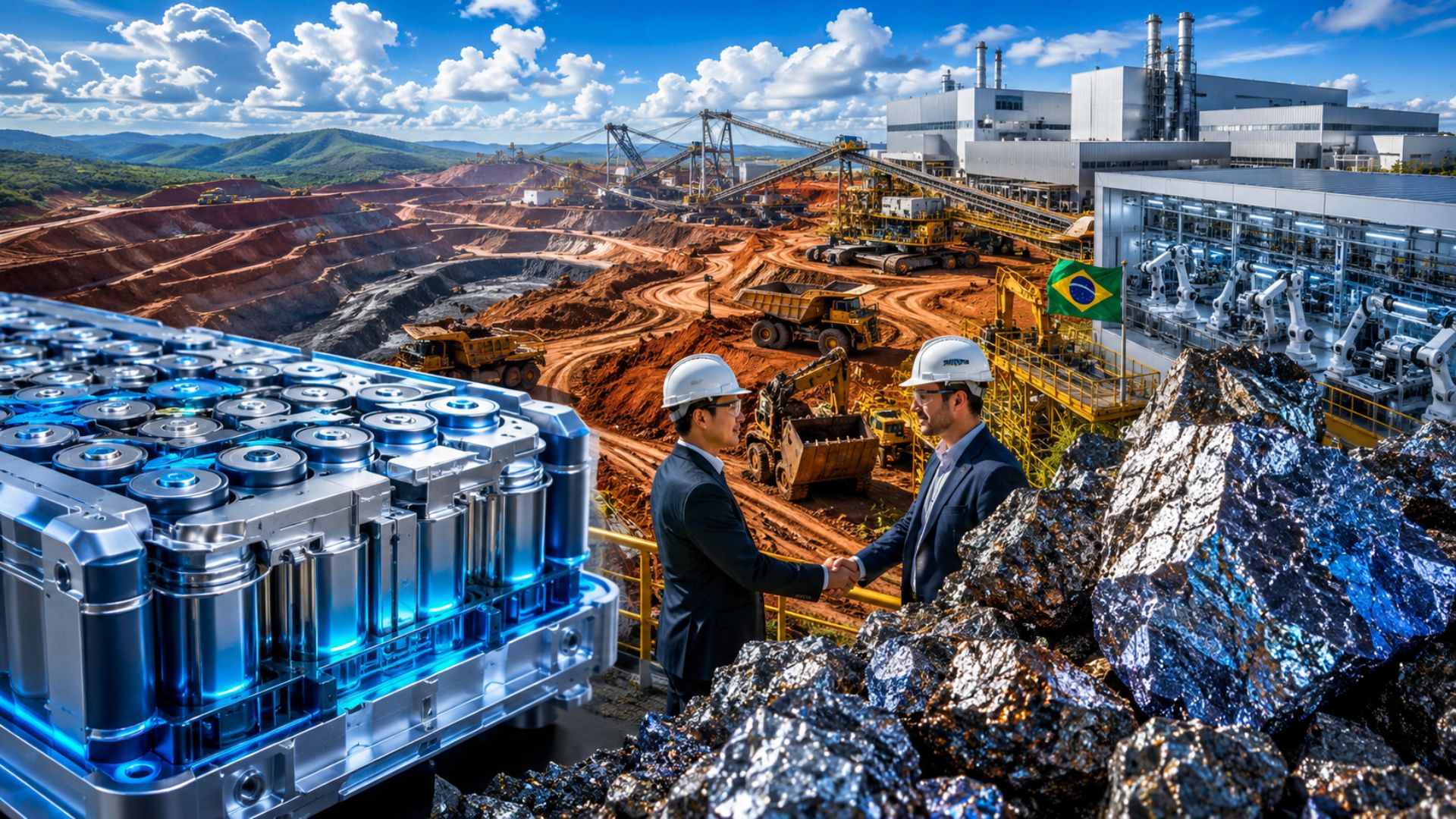
Brazil is sitting on one of the largest lithium reserves in the world, in the Jequitinhonha Valley, but national mining has almost become an appendage of China: 97% of the metal’s export goes to a single country, which also dominates refining.
-
Iron ore falls to 762 yuan in China as real estate sales decline and steel production hits lowest level since 2018
-
Brazil has minerals, clean energy, and a waiting market, but it could miss a billion-dollar opportunity if it doesn’t speed up the race for green minerals, while the steel industry seeks to reduce emissions.


There is no way to move from a fossil fuel-based society to renewable energy without critical and strategic minerals,” he stated.
Brazil Aims to Show Climate Leadership at COP30
The initiative highlights Brazil on the global sustainability stage. With the COP30 approaching, the country seeks to show concrete results in the fight against global warming.
At the same time, the mineral sector, which plays an essential role in energy generation and in providing strategic inputs, wants to prove that it is possible to reconcile production, environmental protection, and technological innovation.
Furthermore, the announcement by Ibram reinforces the sector’s commitment to decarbonization and the responsible use of natural resources, which are central themes of the UN conference.
Renewable Energy Gains Traction in Mining
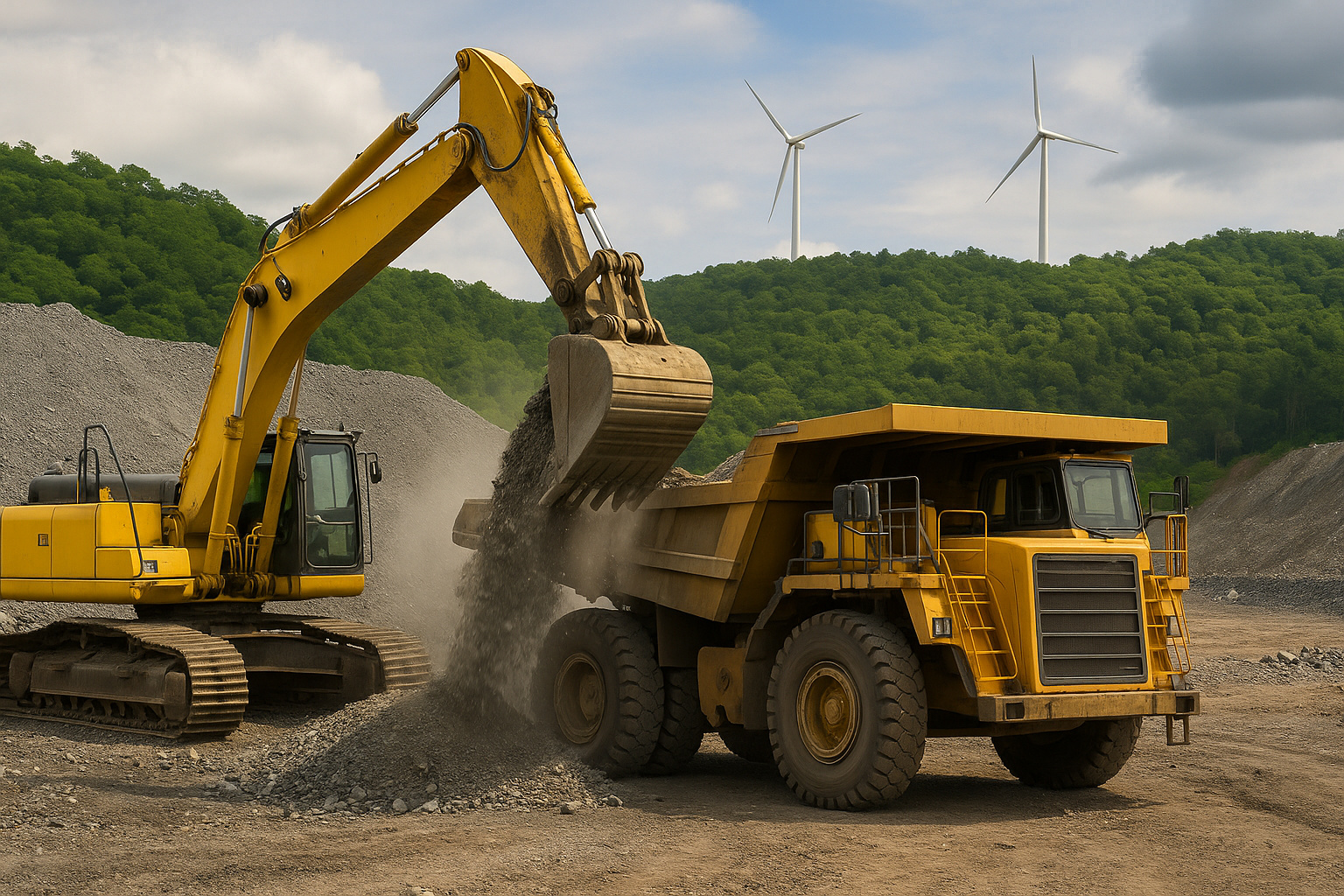
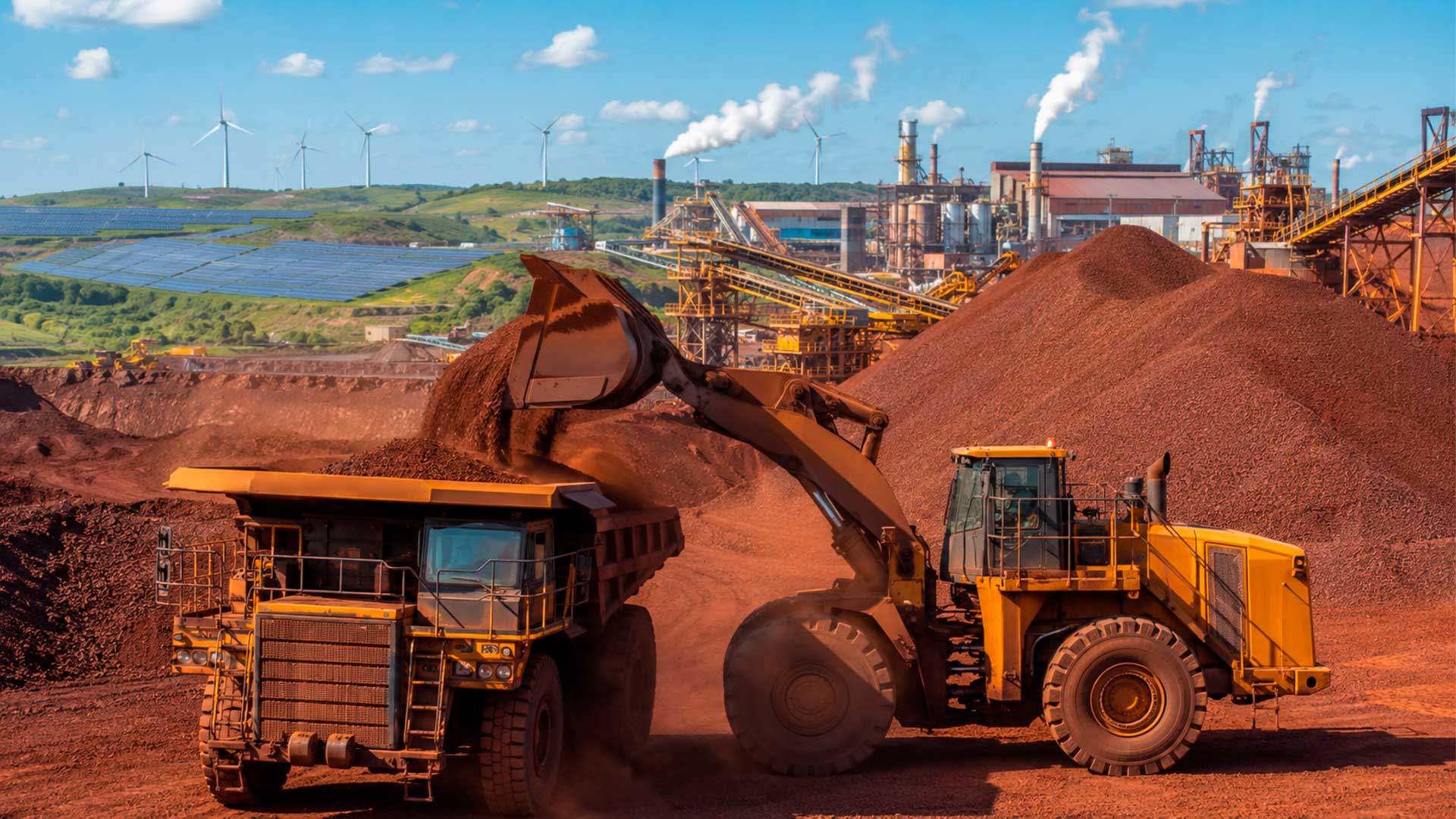
Among the goals, the most symbolic is the 15% increase in the share of renewable sources in the mining sector’s energy matrix by 2030. With this, the sector aims to become more efficient, cleaner, and less dependent on fossil fuels.
In addition, the measure reinforces the role of mining in the global transition to renewable energies, as minerals like lithium, nickel, and copper are essential for batteries, turbines, and solar panels — technologies indispensable for a greener future.
Water and Nature: Focus on Responsible Resource Management
Another important point is the 10% reduction in the use of fresh water in mineral extraction processes by 2030. With this, the sector aims to increase water efficiency and preserve water sources near operational areas.
Moreover, Ibram set the goal of expanding protected areas by 10% compared to impacted areas. This way, the strategy aims to compensate for environmental impacts and stimulate ecosystem recovery, thus promoting the concept of “positive nature” within Brazilian mining.
Mining Aims to Adapt Cities and Combat Emissions
To reinforce mining’s social role, the sector will also develop 30 municipal climate adaptation plans by 2030, focusing on municipalities where the activity has a strong economic presence. The goal is to strengthen communities’ resilience to climate impacts and integrate public policies for sustainable development.
Meanwhile, decarbonization will be addressed in a broad and strategic manner, based on three main pillars:
- Reduction of direct emissions from mining activities;
- Decrease in global emissions along the iron ore supply chain;
- Facilitation of energy solutions based on essential minerals for the green transition.
Commitment to a Sustainable Future
The goals announced by Ibram represent a turning point in the relationship between mining, Brazil, and energy generation. Additionally, the sector seeks to show that it can be part of the solution, not just the environmental problem.
With COP30 approaching, Brazilian companies are mobilizing to display a new face of national mining — more modern, technological, and sustainable.
At the same time, renewable energies gain traction in global decarbonization, consolidating Brazil as an example of climate innovation and green transition.