






 Portuguese
  Spanish
  4 min of reading
  0 comments


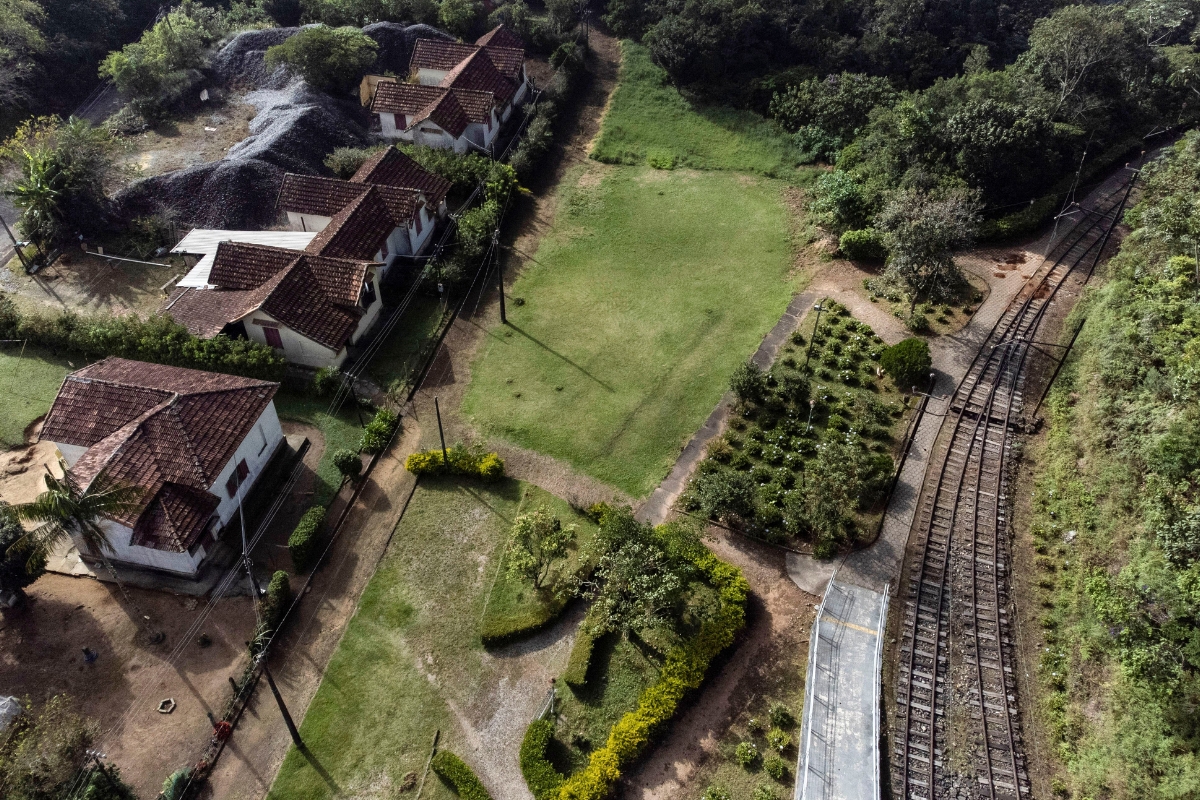
The Maria Fumaça Between Campinas and Jaguariúna Offers a Historic Ride on Tracks from 1872, with a Steam Locomotive, Old Stations, Rural Landscapes, and Unique Cultural Experiences
Imagine boarding a steam locomotive, with the smell of wood in the air, rural landscapes of São Paulo passing by the window, and the nostalgic whistle cutting through the rural silence. This is not a movie scene. It’s a real experience for those who board the Maria Fumaça between Campinas and Jaguariúna. A train ride that brings back the history of Brazilian railways and enchants those who enjoy cultural tourism, tranquil settings, and good stories along the tracks.
From Campinas to Jaguariúna: A Charm That Transcends Generations
The route is about twenty-five kilometers long and is operated by the Brazilian Association for Railway Preservation. The line, inaugurated in 1872, was part of the old Mogiana Railway Company and was essential for transporting coffee to the port of Santos. Today it has become a tourist attraction that draws thousands of visitors every year and keeps an important part of the country’s railway past alive.
The complete trip lasts about three and a half hours, round trip, and takes place in restored carriages. The century-old locomotives pass through historical stations and landscapes that mix crops, pastures, gentle hills, and colonial houses. The whistle of the Maria Fumaça accompanies each section of the journey and reinforces the sensation of traveling back in time.
-
Retired trains leave European tracks and become tons of steel, aluminum, and copper in dismantling yards where recycling exceeds 90%, but batteries, composites, and electronics create a new frontier of railway waste.

-
The strategic railway of Santa Catarina will receive R$ 608 million, will undergo historic modernization, and could transform logistics between Mafra and the Port of São Francisco do Sul.
-
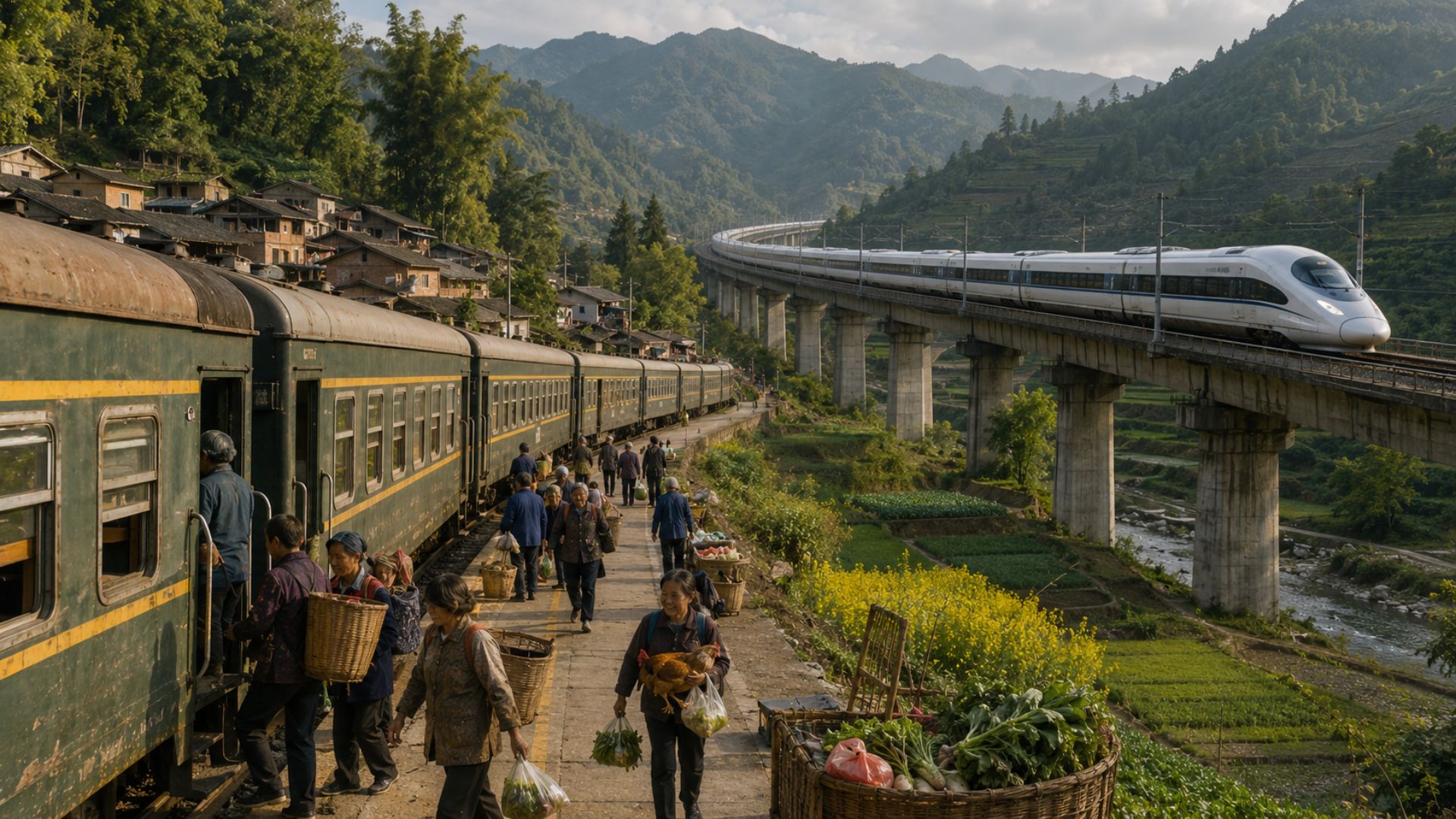
While showcasing bullet trains traveling at over 300 km/h, China maintains about 81 slow train lines that travel at 40 km/h, charge less than R$ 2 for a ticket, and cross remote villages carrying residents, students, and even chickens and vegetables to the market.

-
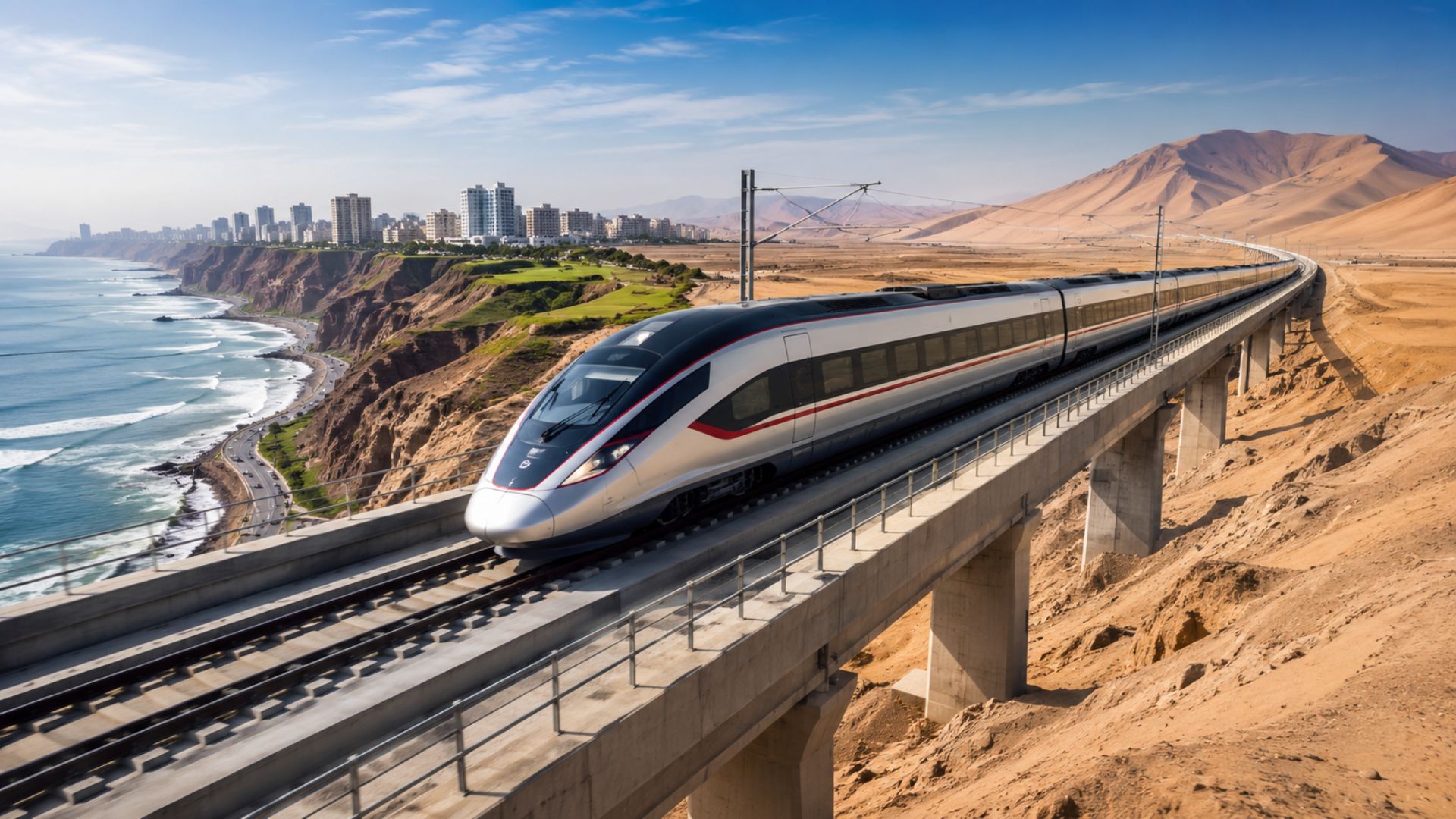
Peru plans to build, with Chinese technology and capital, what is intended to be the fastest train in South America, a high-speed line between Lima and Ica at up to 200 km/h, but the $6.5 billion project is only expected to be completed around 2032.



Tracks, Stations, and a Lot of History
The journey begins at Anhumas Station in Campinas, a restored building that houses a small railway museum with antique pieces and historical uniforms. Then, the train proceeds past stations such as Pedro Américo, Tanquinho, and Carlos Gomes until it reaches Jaguariúna. There, visitors can explore the surroundings, take photos, and visit the Jaguariúna Railway Museum.
A moment that always surprises is the theatrical performance by actors dressed as old west bandits. At one point during the journey, they simulate a train robbery and interact with the passengers, creating a fun situation. Children and adults usually love the act.
Food on Board Is Also Part of the Experience
For those who enjoy combining sightseeing and gastronomy, there are packages that include breakfast or lunch. The coffee is simple and well-served, with bread, fruits, and hot drinks distributed picnic-style. Lunch includes a stop in Jaguariúna with time to eat at the region’s restaurants. Many specialize in local cuisine and are popular among tourists.
These packages need to be purchased in advance on the ABPF website. Demand increases during holidays and weekends. Prices vary depending on the date but generally range between one hundred fifty and two hundred reais per person for the complete route with a meal.
According to ABPF, “the preservation of the railway is not just a historical rescue but a way to keep an important part of national identity alive, uniting culture, tourism, and education.”

An Experience That Pleases All Ages
The Maria Fumaça ride is recommended for couples, families with children, school groups, or travelers seeking a different experience. Most are impressed by the restored carriages and the tranquil landscape that contrasts with the fast pace of the cities.
The educational value is also significant. Many schools take students to learn closely about the train’s structure and understand how transportation worked before the era of cars and airplanes. The journey becomes a living lesson in technology, history, and economics.
How to Get There and Where to Buy Tickets
Anhumas Station is about fifteen kilometers from downtown Campinas. It is possible to get there by car, taxi, or ride-sharing app. There is parking available on site.
Tickets should be purchased online at the official websites:
www.abpf.com.br
https://www.mariafumacacampinas.com.br
On the site, it is possible to choose between the complete round trip or partial options. The ideal is to reserve in advance, especially during long holidays and school vacation periods.
Practical Tips for a Better Experience
Bring a hat or cap as many stations do not have shelter.
Wear comfortable clothing and, if you want, a retro look to get into the spirit of the journey.
Ensure your phone’s battery is charged because the scenery is perfect for photos.
Avoid bringing large suitcases or backpacks as space in the carriage is limited.


A Time Travel That Lives on the Tracks
While many destinations invest in modernity, the Maria Fumaça from Campinas to Jaguariúna shows that preserving the past is also enchanting. It’s not just a tourist ride. It’s a dive into the past, an open lesson on transportation, memory, and Brazilian culture. All this wrapped in the memorable sound of a steam locomotive crossing the interior of São Paulo.
For those seeking a different, nostalgic route full of stories, this is the right destination. After all, as the saying goes, those who have never traveled on a Maria Fumaça do not know Brazil fully.
What stories would you take from such a journey? The Maria Fumaça shows that the past still pulses along the tracks of the interior of São Paulo. Share in the comments what this type of experience awakens in you




-

1 person reacted to this.