






 Portuguese
  Spanish


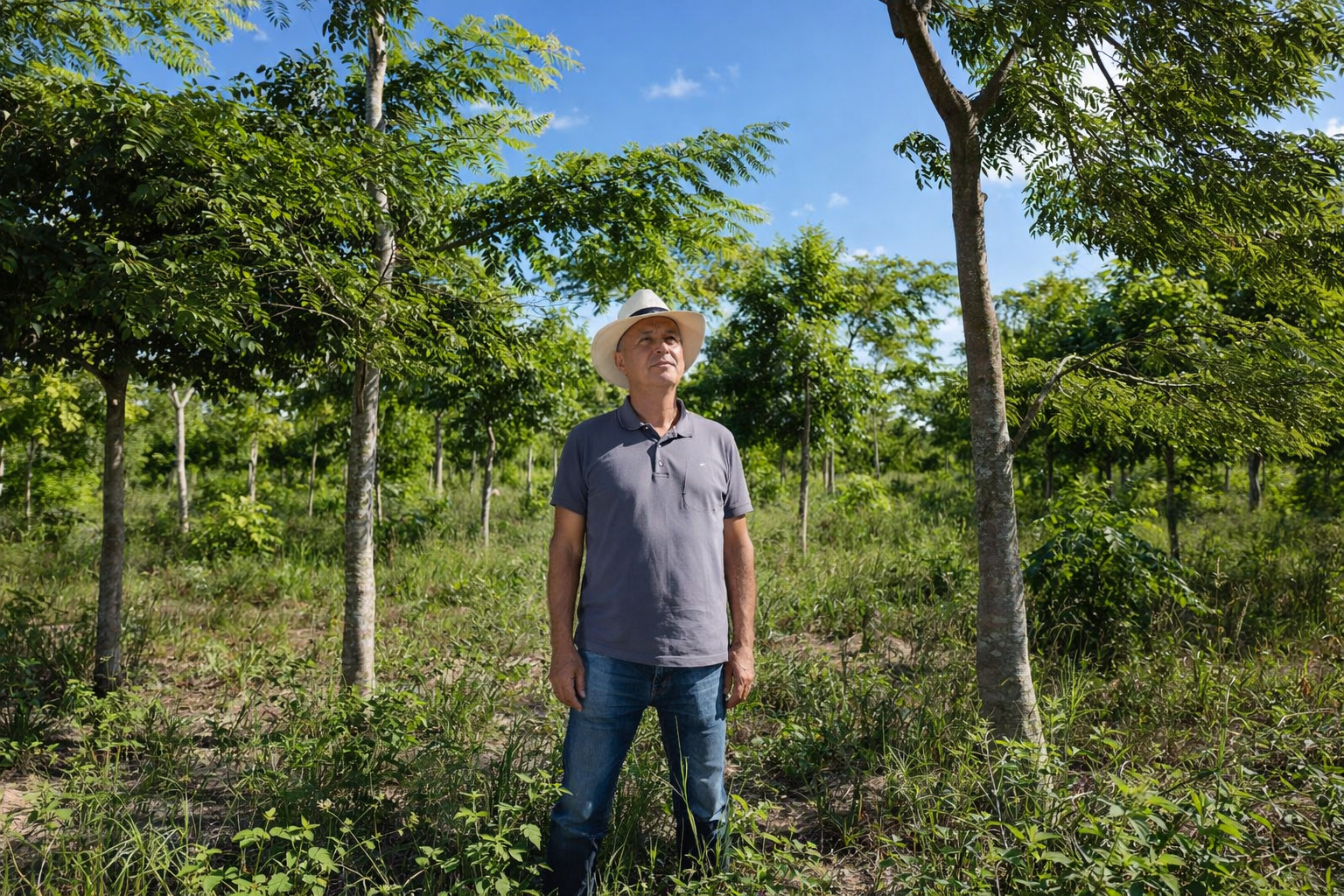


International Recognition Highlights Innovative Model That Combines Science, Finance, and Socio-Environmental Impact in the Restoration of Native Forests

Brazil has just gained prominence on the international sustainability scene. Bruno Mariani, founder and CEO of Symbiosis Investimentos, has become the first Brazilian to receive the Weizmann Medal in Sciences and Humanities. The information was reported by CicloVivo News on December 9, 2025, emphasizing the transformative nature of his work in reforestation of degraded areas.
The international recognition not only celebrates a personal journey, but also highlights Brazil’s economic and environmental potential in restoring native forests. Moreover, it reinforces that the integration of science, innovation, finance, and socio-environmental impact can yield concrete results.
By reforesting degraded areas, the model developed by Mariani creates biodiverse and productive territories. Therefore, it goes beyond environmental recovery: it also strengthens local economies and enhances essential ecosystem services.
-
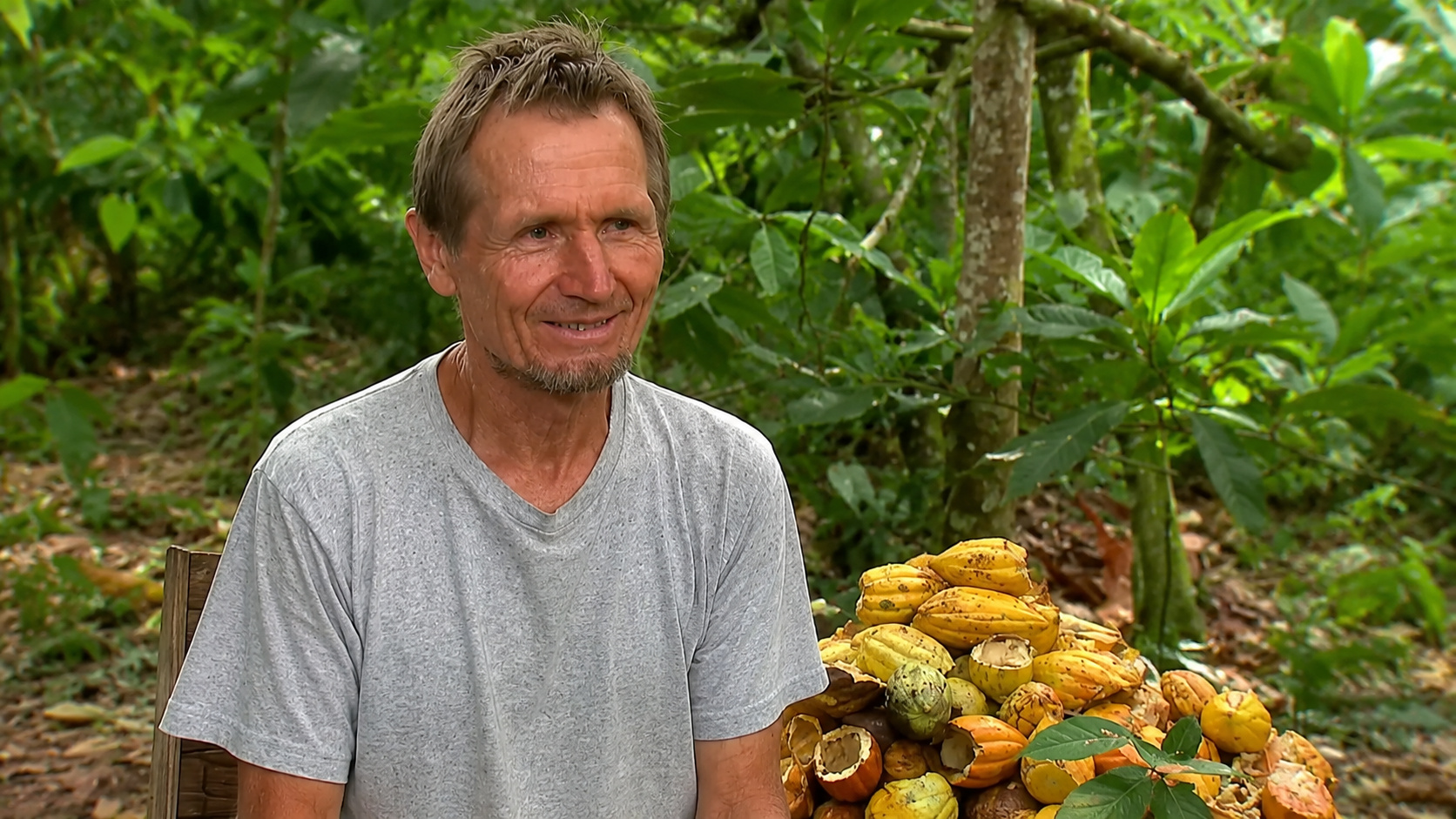
Farmer Revives Arid, Abandoned Land in Brazil’s Bahia into Thriving Forest, Demonstrates How ‘Syntropic Agriculture’ Can Transform Rural Futures

-
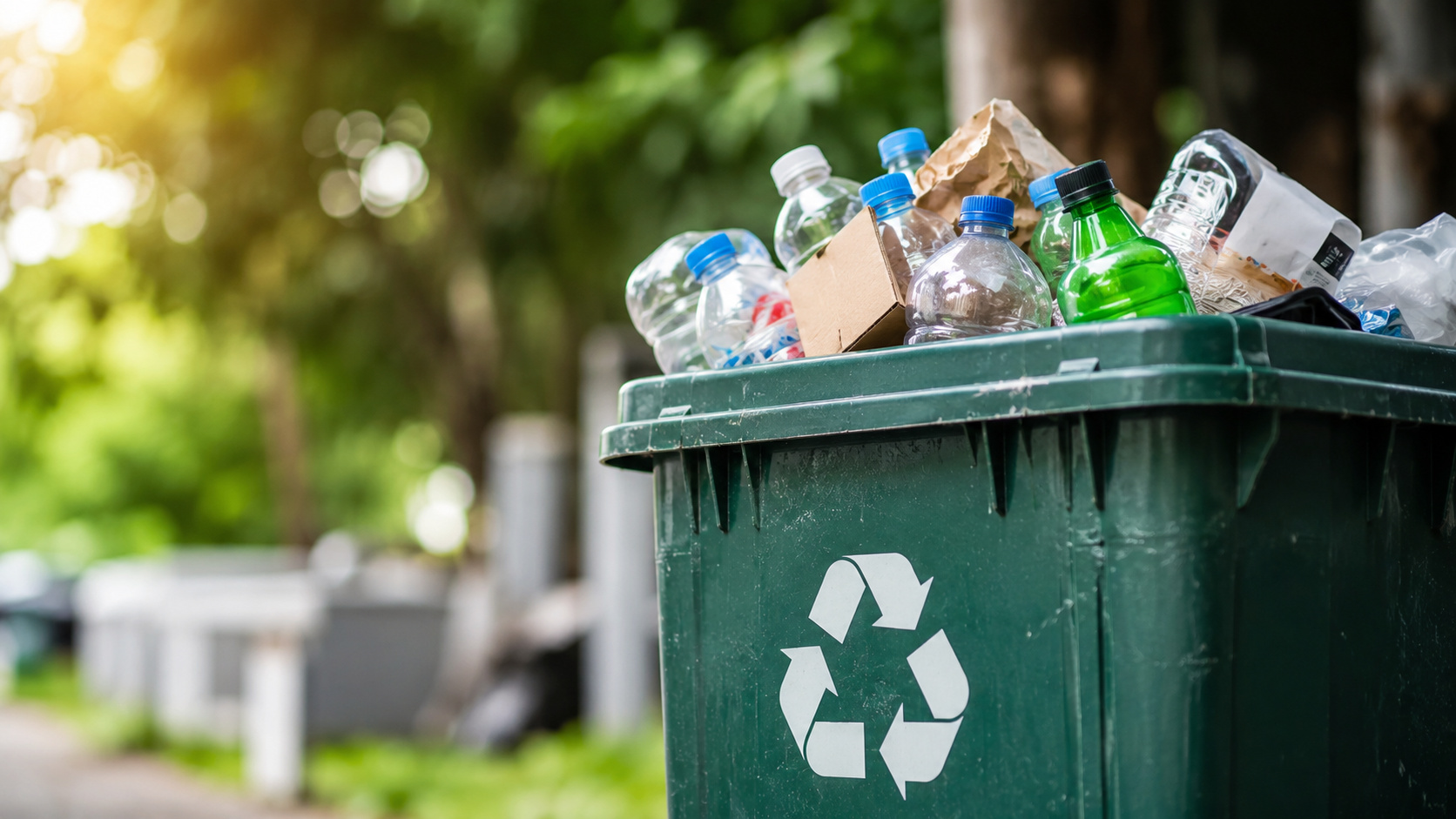
Study Reveals 40% of Brazilians Unaware of Circular Economy, Highlighting Challenges in Sustainable Transition and Recycling Expansion
-
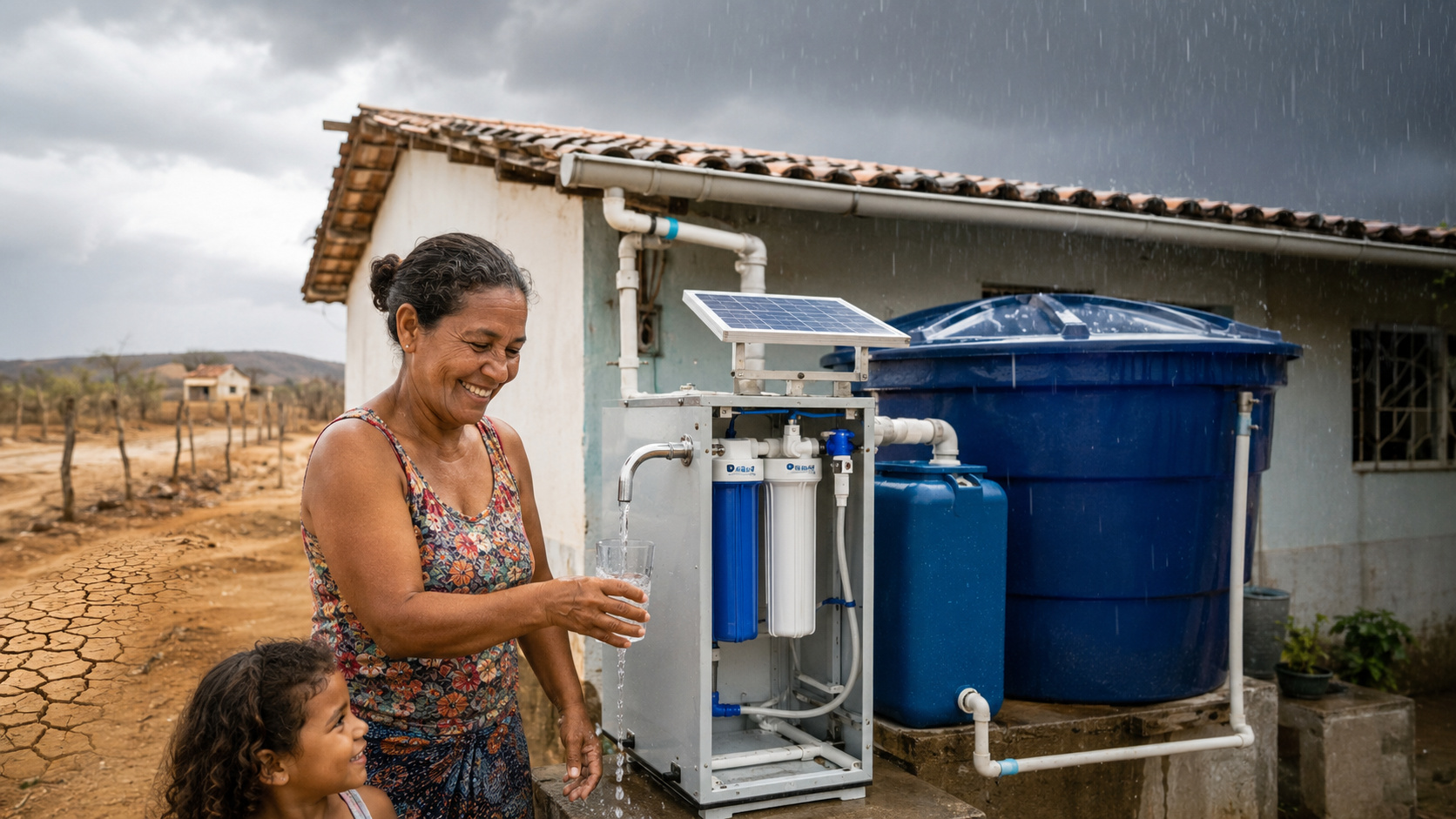
Brazilian Startup Converts Rain into Potable Water Without Chemicals, Surpasses 10 Million Liters, Joins $1.2 Million Project to Bring Simple Technology to Drought-Stricken Areas in Northeast Brazil
-
Brazilian Company Innovates with Treated Water Billing Model, Surpassing 10 Billion Liters and Offering Up to 40% Savings for Large Industries

How Symbiosis Transforms Degraded Areas into Productive Forests
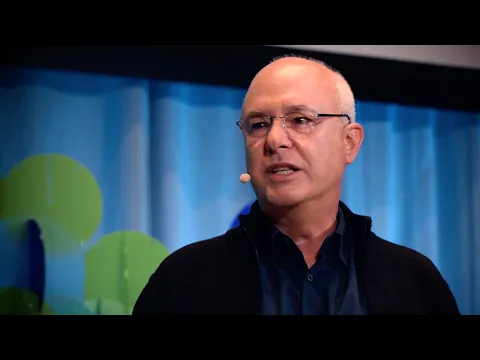

After building a solid career in the financial sector, Bruno Mariani decided to fully dedicate himself to large-scale ecological restoration. This change occurred at a critical moment marked by growing environmental degradation worldwide.
At the helm of Symbiosis Investimentos, he combined financial knowledge with a passion for nature and invested in the genetic improvement and large-scale planting of native tree species. Consequently, the project began to demonstrate that it is possible to reconcile financial return with environmental regeneration.
According to data released by the company itself, Mariani leads initiatives that have already promoted the regeneration of thousands of hectares of Atlantic Forest. This process directly contributes to the recovery of biodiversity, improvement of soil and water quality, as well as strengthening local economies.
The model combines science, technology, and business vision. In this way, degraded areas are transformed into productive and resilient forests. Moreover, the project enhances fundamental ecosystem services such as pollination, carbon sequestration, and sustainable timber production.
On its official website, Symbiosis highlights its founder’s strategic vision: Brazil has the potential to restore 12 million hectares of forests. However, this restoration needs to go beyond environmental protection. It must generate jobs, income, and development for local communities.
Institutional Support and International Expansion of Forest Restoration

Symbiosis primarily focuses on reforesting degraded pastures with native species of the Atlantic Forest. By cultivating native trees — many of which are threatened with extinction — the company strengthens biodiversity and creates a new reference in sustainable timber production, called Native Species Silviculture.
Additionally, the operation is fully based on science and innovation. Currently, research for the improvement of native species receives support from BNDES, the Brazil Coalition on Climate, Forest, and Agriculture, and the Bezos Earth Fund.
The company also integrates the Restore Fund from Apple, an initiative focused on nature-based solutions to address climate change. Recently, it received a loan from BNDES through the Climate Fund to finance the implementation of new restored areas.
The relationship with the Weizmann Institute of Sciences strengthened in 2018, after a lecture by researcher Rafael Stern organized by the Friends of Weizmann in São Paulo. Subsequently, the scientific collaboration led to a joint publication. In 2023, the Institute’s Vice President, Prof. Roee Ozeri, and President Prof. Alon Chen visited Bahia to see the restored areas up close.
Now, Bruno Mariani takes on the role of Chair of the new Weizmann Sustainability Hub in Latin America. The initiative will bring together engaged supporters on environmental issues and promote dialogue with international researchers. In addition, he is also the Chairman of the Board of Funbio – Brazilian Biodiversity Fund.
In summary, the award received by Bruno Mariani consolidates Brazil as a protagonist in global ecological restoration. More than an individual achievement, the recognition reinforces that reforesting degraded areas can generate biodiversity, income, and sustainable development.
Do you believe Brazil can lead the world in restoring native forests in the coming years?





Sim. O Brasil,depois de 500 anos de devastação de seus biomas,tem esta conta a pagar e procurar compensar 5 séculos de ganância e ignorância dos efeitos destas devastacoes.
Parabéns a este grande empresário brasileiro,consciente de sua parcela e colaboração em prol da natureza através do reflorestamento,aonde poderíamos diminuir de forma exponencial os fortes impactos do aquecimento global;
Quê sirva também de exemplo para muitos outros empresários.
Fantástico