





 Portuguese
  English
  Spanish
  3 min of reading
  0 comments



Conscious Growth in Environmental Behavior
The commitment to the environment is increasingly present in the daily lives of Brazilians. A recent survey by the National Confederation of Industry (CNI) highlights a significant advance in sustainable behaviors, revealing that 81% of Brazilians consistently adopt eco-friendly habits. This number, compared to 74% in 2022, demonstrates a growing awareness and action towards sustainability in Brazil.
When detailing sustainable habits, a range of positive actions incorporated into daily life is observed. For example, the practice of avoiding waste of water and energy is present in almost 90% of respondents. Additionally, there is a significant effort in reducing waste production, reusing water and packaging, and, in particular, in separating trash for recycling, a practice adopted by 65% of respondents.
Barriers and Challenges on the Path to Sustainability
Despite these encouraging numbers, the survey also identifies obstacles that need to be overcome to enhance sustainable consumption. Difficulty in finding sustainable products in stores is a barrier for 62% of respondents, while 45% do not check the sustainability of the products they purchase. This gap indicates a significant opportunity to increase awareness and availability of eco-friendly options in the market.
-
The world has bet on green hydrogen as the fuel of the future, but now faces the side effect: producing 1 kilogram requires about 9 liters of ultrapure water, and the largest projects on the planet are precisely in the driest regions of the Earth, where water is already scarce for people.

-
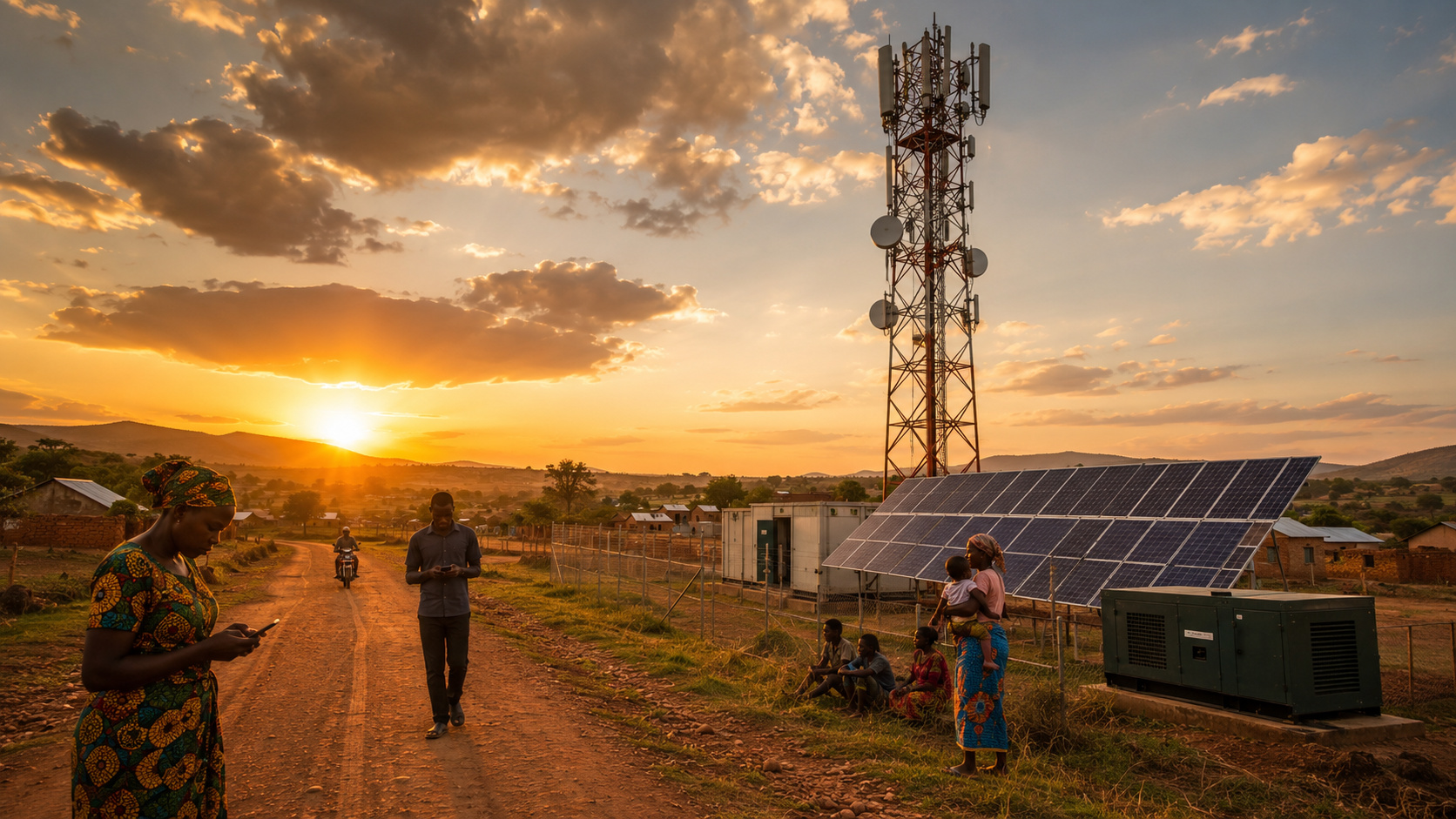
Africa has about 500,000 cell towers and most still burn diesel to operate, while companies rush to cover antennas with solar energy and avoid signal blackouts.

-
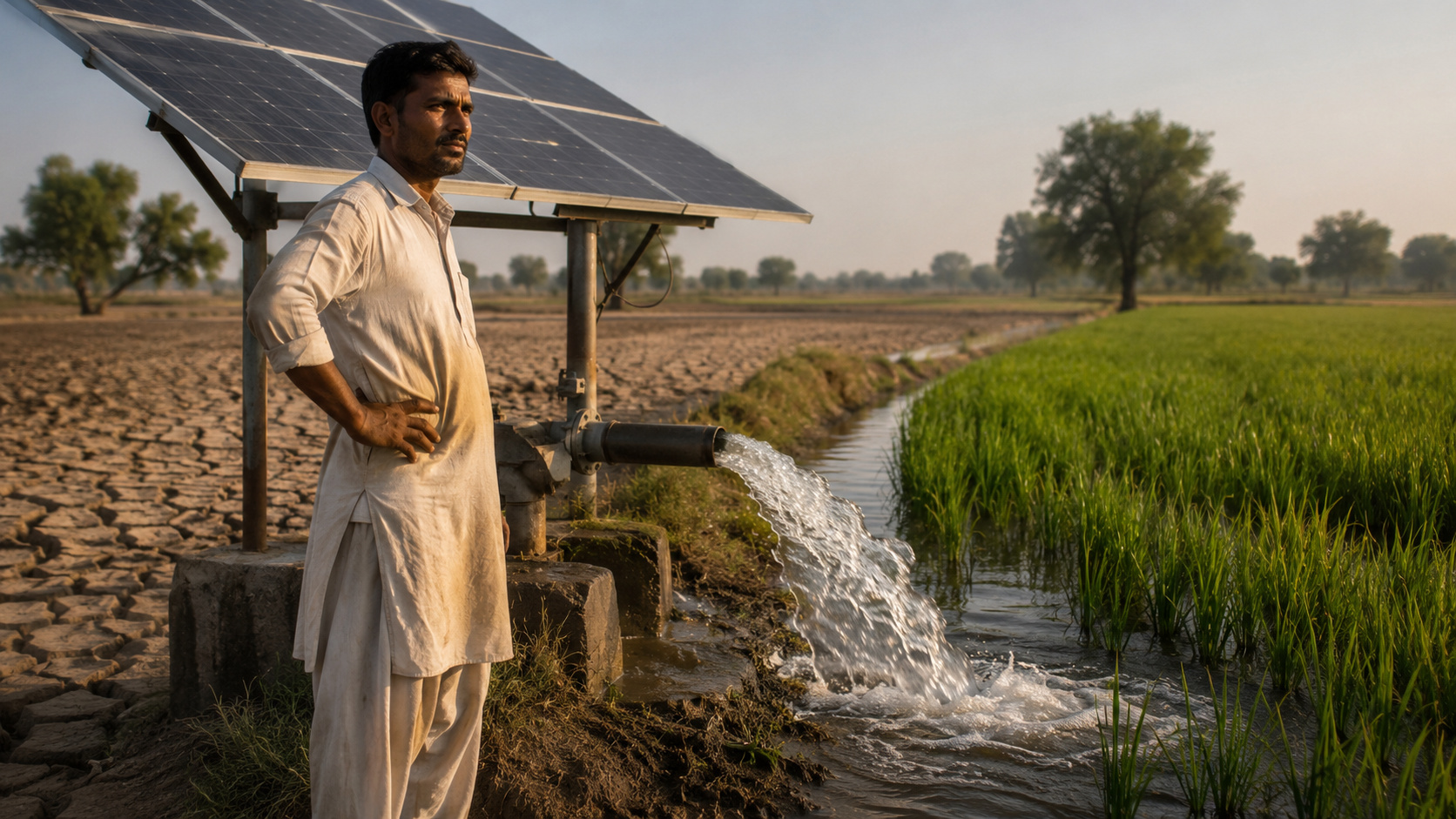
Farmers swapped diesel for solar panels in Pakistan, powered irrigation pumps almost cost-free, expanded rice fields, and now groundwater has become a red alert in the countryside.
-
Migrant workers left the world’s largest renewable energy park in India after extreme heat, 12-hour shifts, delayed wages, and poor accommodations at a site that still promises to supply 18 million homes.


Moreover, cost remains a decisive factor for many consumers. The survey shows that the preference for organic foods or products that ensure animal welfare is significantly affected by the price difference compared to conventional products.
Profile of Brazilian Recyclers and Challenges in Selective Collection
It is also interesting to note the profile of Brazilians who are most engaged in recycling. Residents of rural cities, older individuals, and those with lower education levels tend to separate trash for recycling more frequently. The survey points out, however, significant challenges such as lack of habit, absence of selective collection in certain areas, and lack of adequate information about recycling and selective collection.
The CNI emphasizes the importance of joint action between government, society, and the productive sector to promote the decarbonization of the economy and propel Brazil towards a more sustainable reality. This collective effort is essential to enter a virtuous cycle of economic growth aligned with the conservation of the planet and social well-being.
Methodology and Confidence in the Data
Conducted by the Institute for Research in Reputation and Image, part of FSB Holding, the survey consulted 2,021 citizens aged 16 and older, covering all states of the federation. The margin of error is 2 percentage points, with a confidence interval of 95%. The results, while not detailing data by state, provide a comprehensive and reliable view of practices and challenges related to sustainability in Brazil.
In summary, the collected data indicate a significant advance in the adoption of sustainable habits by the Brazilian population. However, it also highlights the barriers that still need to be overcome for a broader and more effective transition to conscious consumption and ecological practices in the country.
Source: Journalism – CNI.


Be the first to react!