






 Portuguese
  Spanish


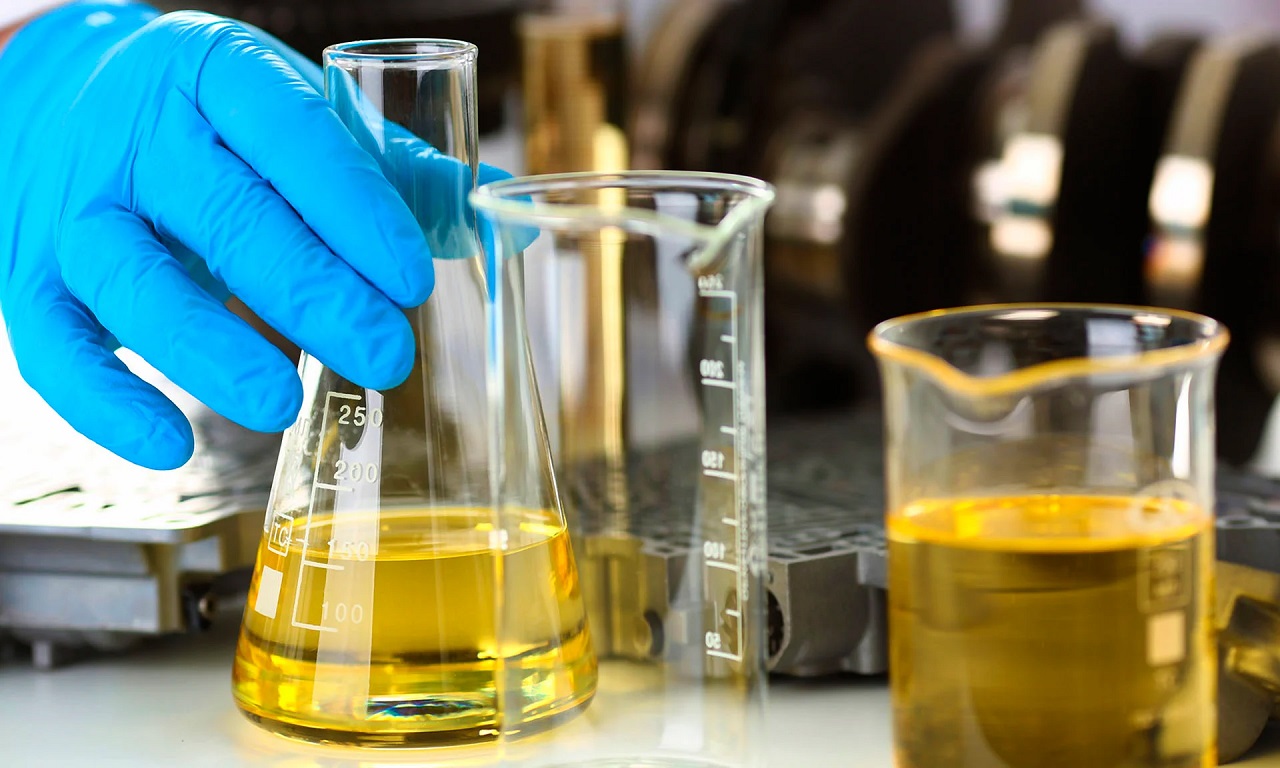

Brazilians Presented QDiesel Verde, A New Category Of Renewable Fuel That Caught The Attention Of Several Investors.
This Thursday (18), Brazilians presented a new renewable fuel technology, green diesel based on ethanol, which promises to replace fossil diesel. The technology was presented at the Fenasucro fair in Sertãozinho (SP), generating interest from various investors and plants.
New Renewable Fuel Is Composed Of Bioethanol And Additives
According to Marcos Daniel de Lima, Director of R&D and Technological Innovation at DUO, who spoke during the event, QDiesel Verde, created by the Brazilian companies Quadra and Duo Automation, consists of 96.8% bioethanol and 3.2% additives, which enable vehicle ignition through compression, providing the same lubricity as fossil diesel, attracting investors’ attention.
The executive states that the renewable fuel has already been successfully tested in various types of engines, from trucks to harvesters, and is now in the homologation phase by investors.
-
Giant Batteries Take Center Stage in Chile Auction as Company Offers 960 GWh of Solar Energy for Nighttime Use, Aiming to Stabilize Solar Power Supply

-
After a Year of Success in Switzerland, Solar Railway Attracts Italy’s Interest for Clean Energy Transformation
-
Brazil to Introduce B16 Diesel with Increased Soybean Oil Content for Trucks by 2026
-
Robots Clean Solar Panels in Desert Power Plants Without Water, Preventing Energy Losses



According to Lima, during the presentation, and information from the event’s press office, negotiations are opening up for interested investors in ethanol-based diesel to execute the installation plan in national and international markets.
Duo Automation and Quadra have funds and interested companies and are negotiating these possibilities. Lima mentions that two groups of sugarcane mills are already waiting for the installation of renewable fuel production units in their factories following the homologations.
New Green Diesel Will Be Aimed At Heavy Vehicles
The director states that the company is open to all interested parties in participating in this revolution for ethanol. According to the executive, the ethanol-based green diesel may be primarily aimed at heavier vehicles, considering that lighter vehicles are expected to more intensely enter the electrification process in a context of greater need for cleaner fuels.
For sugarcane mills, the executive emphasizes that the new renewable fuel could become a big business also due to the fact that the sector is a major consumer of diesel, with an estimated consumption of 2 billion liters per year.
Urban buses in large cities would represent a market of over 1 billion liters, while the North American market could also be a buyer. Lima did not comment on which groups are interested in the new renewable fuel technology.
Multinational Porsche Invests In New Renewable Fuel
Porsche announced earlier this year that it would make a new multi-million dollar investment of US$ 75 million, equivalent to over R$ 355 million, in HIF Global LLC, a holding company working on renewable projects and the direct production of synthetic gasoline capable of replacing fuels produced from petroleum.
Through this initiative, the German automaker will acquire a long-term stake in HIF to drive the generation of the first commercially viable synthetic fuel this year. According to the German multinational, production of this new renewable fuel could begin this year.
When the first phase is completed, the company will undertake two expansions of the complex, one in 2024 and another in 2026, increasing the estimated production from 55 to 550 million liters of the new gasoline. Companies like Siemens Energy and ExxonMobil are involved in producing fuel from hydrogen and carbon dioxide, using wind energy.







