Portuguese
  Spanish


Innovation Uses Natural Cabbage Colorant to Alert About the Deterioration of Perishable Food
Imagine never having to open the packaging to find out if the fish is fresh or spoiled. Sounds like science fiction? Well, this innovation is 100% real — and Brazilian! Scientists from Embrapa, in partnership with the University of Illinois, developed a smart packaging capable of changing color when detecting the onset of fish deterioration. The idea could revolutionize the food industry and drastically reduce food waste, according to the site Engenharia 360.
The Science Behind the Magic Packaging
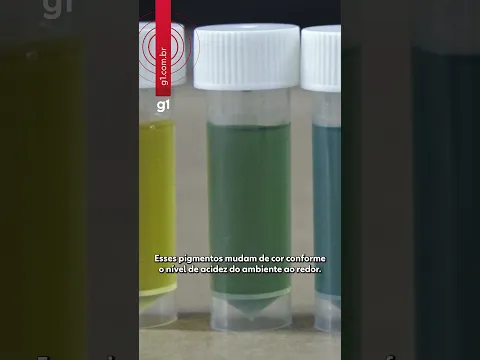
The secret of the scientists lies in anthocyanins, natural pigments found in red cabbage. They react to the pH of the environment, meaning they change color as the food degrades. With this technology, the packaging transforms into a kind of “freshness traffic light”:
- Purple: Fresh fish.
- Blueish: Beginning of deterioration.
- Dark Blue: Spoiled product.
This chemical reaction not only detects acidity variations but also volatile compounds released by growing bacteria, making the system even more reliable.
-
Scientists Develop Method to Store Wind and Solar Energy by Liquefying Air for On-Demand Power Generation

-
Brazilian Engineer Who Grew Up Without Electricity Develops Software, Expands AltoQi to 67,000 Clients, Aiming for $21 Million by Digitizing Brazil’s Construction Industry

-
Spain Launches World’s Largest Floating Dry Dock: 56-Meter Giant Produces Massive Concrete Structures in A Coruña Using Technology Proven in Brazil

-
AI-powered toys that talk, recognize faces, and collect data face scrutiny from Brazilian government over children’s privacy concerns





Biodegradable and Sustainable Packaging
The nanofiber mats used in the packaging were produced by solution blow spinning, a faster and more economical technique than traditional methods, with low energy consumption. One more positive point: the process can recycle food waste as raw material, promoting a circular economy.
When Will the Technology Be Available?
Despite the promising tests by the scientists, the technology has not yet reached the market. Researchers continue investigating the effectiveness in other types of food and the ideal conditions for transport and storage. Partnerships with companies and approval from regulatory bodies are also on the radar.
But one thing is certain: the future of food will be smarter, safer, and more sustainable. And with Brazilian technology leading the way.