Portuguese
  Spanish


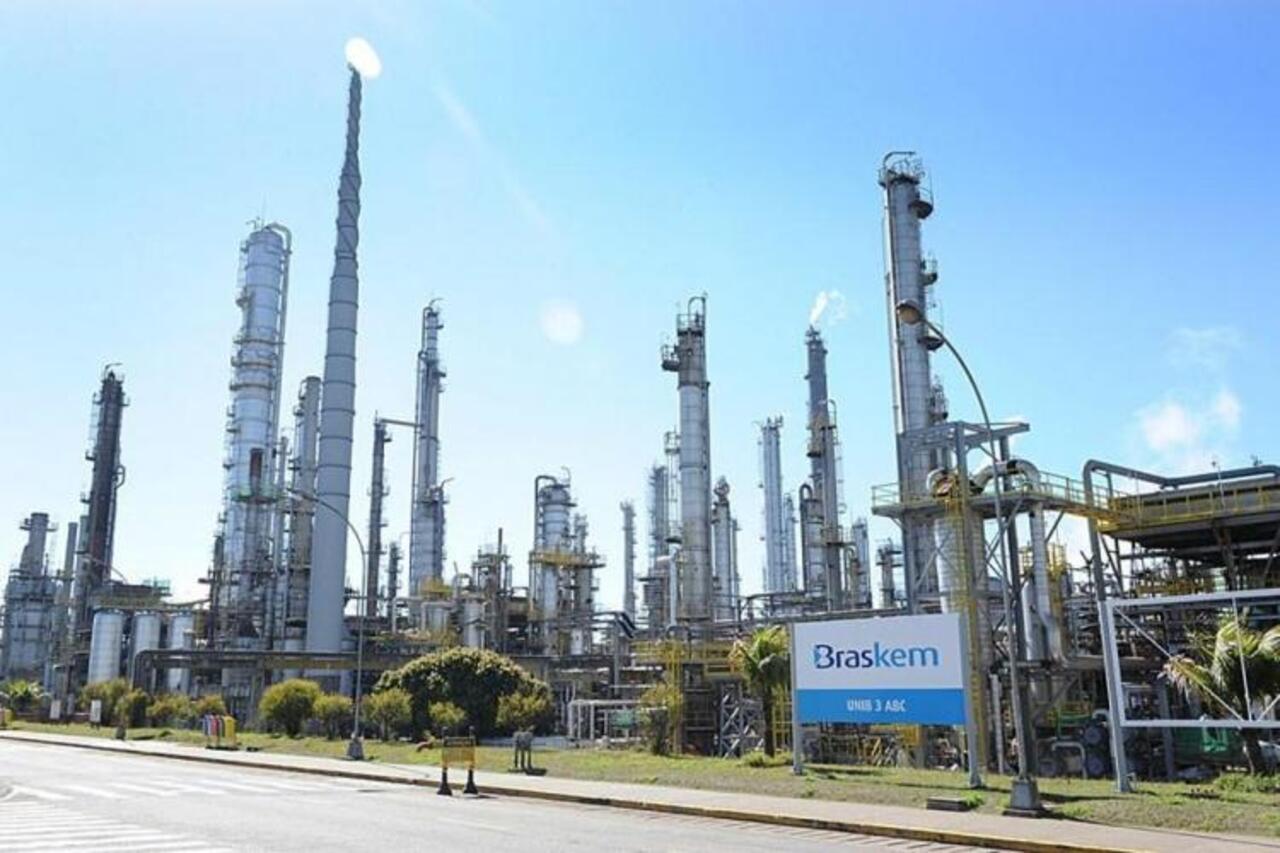

“Braskem has a long history of action to create a more sustainable world with renewable energy and more investments in energy efficiency,” says Braskem’s CEO, Roberto Simões.
Braskem, the largest producer of polyolefins in the Americas and the largest producer of biopolymers in the world, announces its latest investments in sustainability to significantly expand its efforts to eliminate plastic waste in the environment by 2030 and achieve carbon neutrality with renewable energy by 2050.
Read Also
Braskem and Investments in Energy Efficiency
In 2009, Braskem launched its long-term sustainability targets for 2020, which reinforce the company’s commitment to providing solutions to tackle climate change.
Through this commitment, Braskem invested in the development of the I’m Green brand in 2010, which produces items with renewable and recycled energy. The I’m Green initiative reduced Braskem’s carbon emissions intensity by 20%.
-
Giant Batteries Take Center Stage in Chile Auction as Company Offers 960 GWh of Solar Energy for Nighttime Use, Aiming to Stabilize Solar Power Supply

-
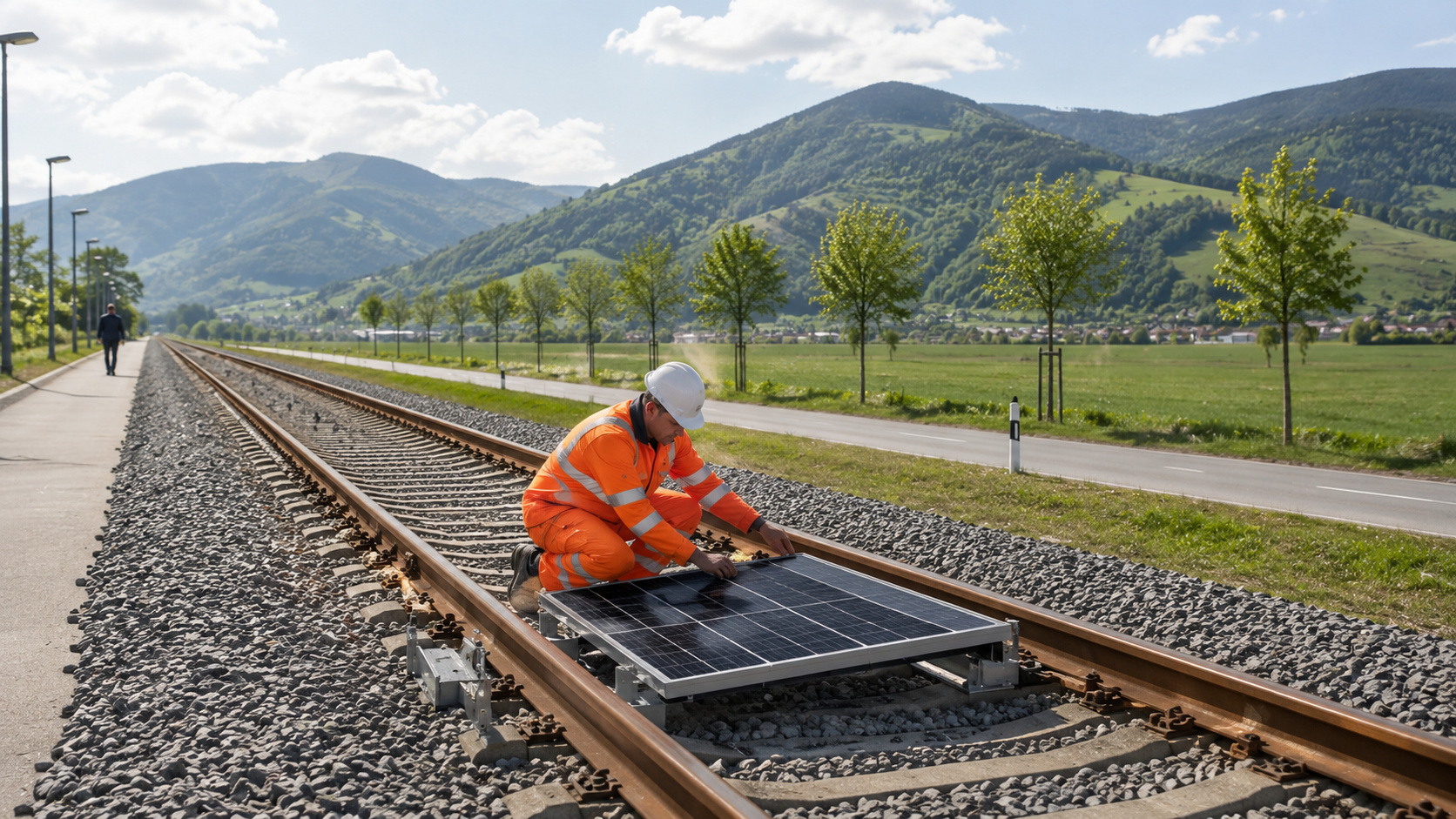
After a Year of Success in Switzerland, Solar Railway Attracts Italy’s Interest for Clean Energy Transformation
-
Robots Clean Solar Panels in Desert Power Plants Without Water, Preventing Energy Losses
-
Brazil’s Offshore Wind Energy Potential Worth $1 Trillion Stalled by Long-Delayed Agreement

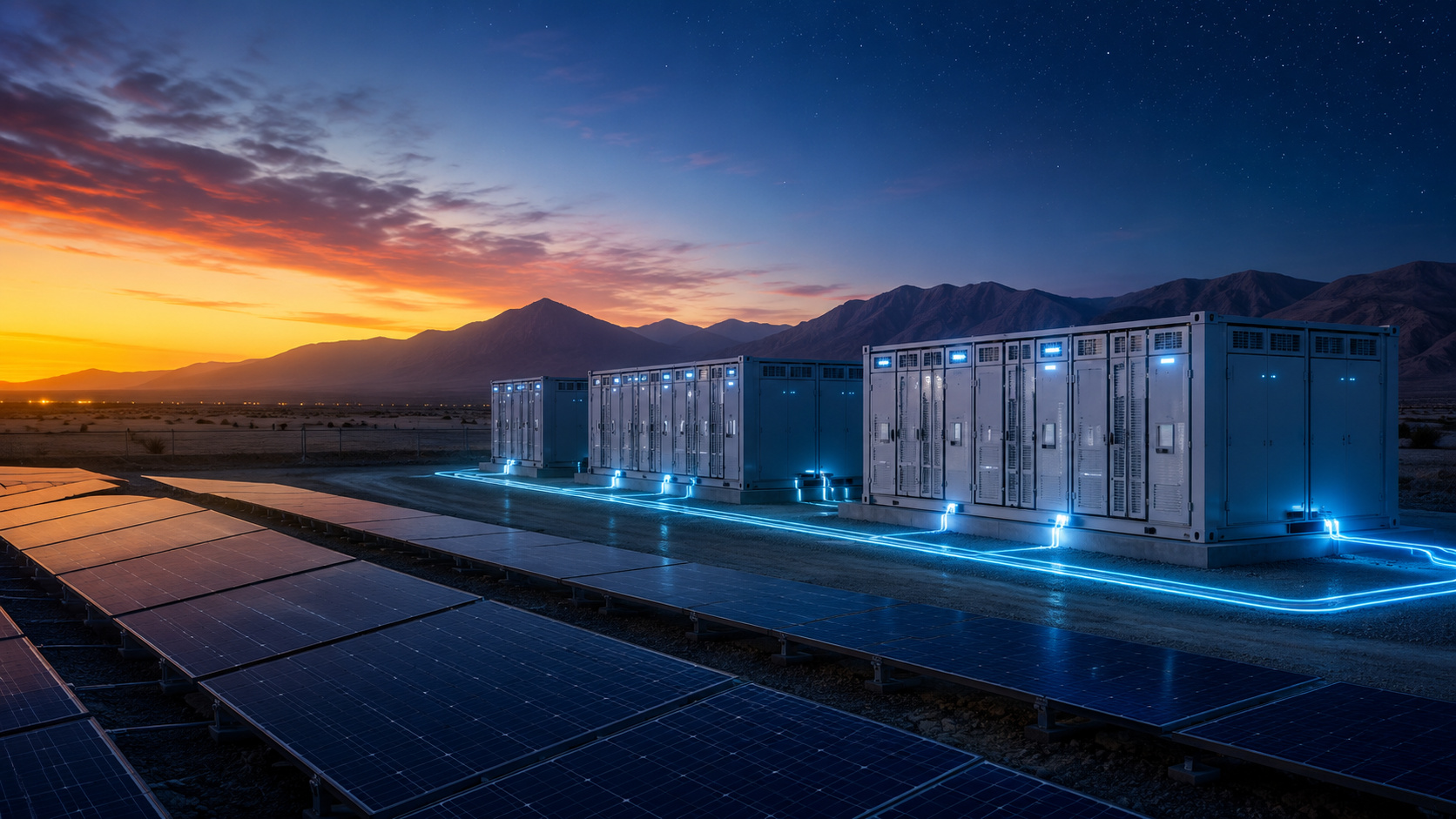


“Plastics play a vital role in society and we believe that the strategic direction of our latest sustainability commitments will enable plastics to continue their role in advancing innovation and providing sustainable solutions,” said Simões.
Applying Investments in Renewable Energy Efficiency
Braskem’s strategy to achieve carbon neutrality focuses on three pillars: Emission Reduction, Emission Compensation, and Emission Capture. These efforts to reduce emissions will focus on improving energy efficiency in existing operations, as well as increasing the use of renewable and low-carbon energy in current operations.
Additionally, Braskem will continue to explore and invest in new low carbon intensity process technologies and renewable energy. In the area of emission compensation, Braskem will focus on accelerating our investments in chemicals and polymers based on renewable raw materials.
Finally, Braskem’s efforts in emissions capture are being supported through research and the development of opportunities to use CO2 emissions as raw material for conversion into value-added chemicals.
Braskem’s Circular Economy investment strategy will continue to aggressively advance advanced mechanical and molecular recycling projects. Braskem plans to continue leveraging its market leadership, expertise in polymers, and strong sustainability growth track record to develop a robust portfolio of recycled products for its customers.