Portuguese
  Spanish


With a metal detector, a licensed detectorist was sweeping a field in eastern Poland when he came across, 30 centimeters from the ground, 18 bronze jewels from 2,500 years ago. The bracelets and anklets, totaling 3.6 kilos, are from the Lusatian culture, from the end of the Bronze Age.
It only took the coil to beep in a different way for the walk to turn into a historical discovery. Just below the plowed earth, grouped inside a small pit, were 18 bronze pieces that no one had touched for about 2,500 years. The collection appeared near the village of Śniatycze, in southeastern Poland, in a region where such finds almost never happen.
According to HeritageDaily, the deposit contains heavy bracelets and anklets and was just 30 centimeters from the surface. In total, there are 3.6 kilos of bronze, one of the largest collections of its kind ever recorded in eastern Poland. The find was made by a detectorist who was operating with a license from the heritage authorities and permission from the landowner.
What the metal detector found 30 cm from the ground
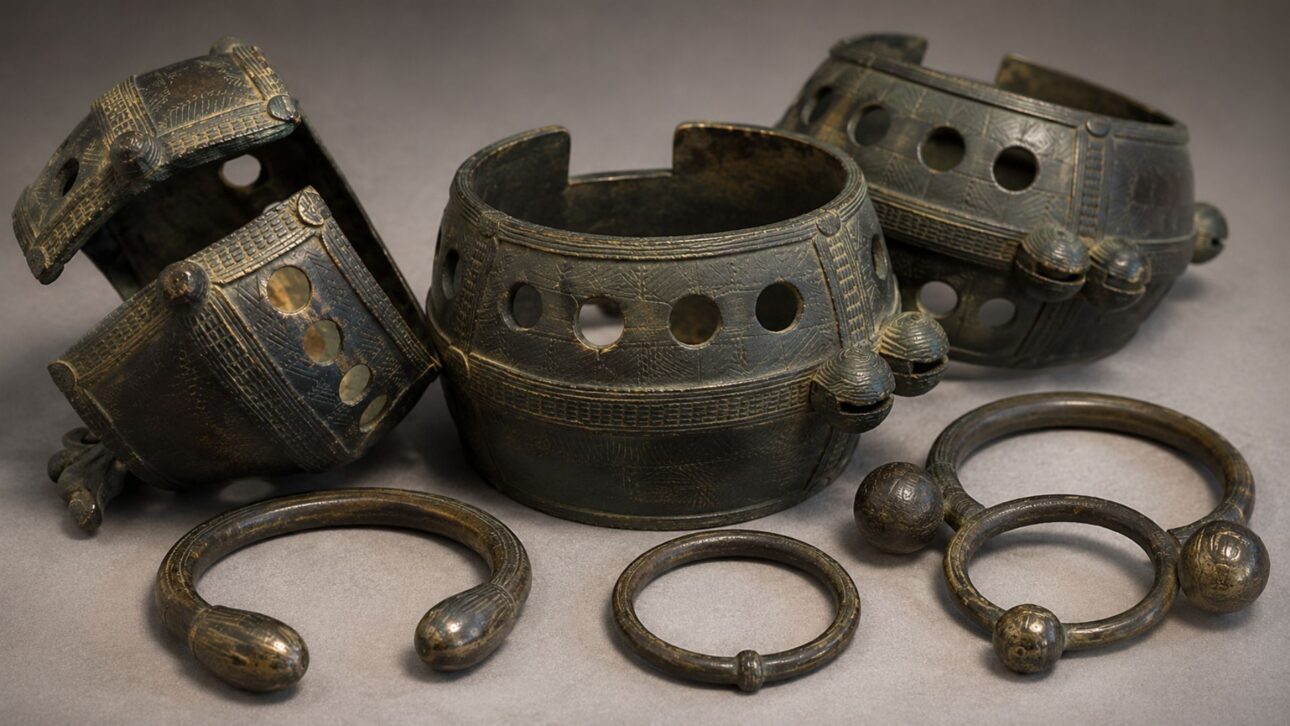
Even after millennia buried, many bronze jewels appeared almost intact, close to museum display quality.
-
Over 5,000 Families Join Brazilian Network Providing 3D-Printed Prosthetics, Founded by Teacher Inspired by Daughter’s Limb Difference

-
Over 1,060 Wheelchairs Created from 102 Tons of Aluminum Tabs Collected Across Brazil, Turning Waste into Mobility Nationwide
-
Explore the History, Architecture, and Unique Features of Arena Fonte Nova, One of Brazil’s Most Iconic and Modern Football Stadiums

-
Indian School in Assam Expands Enrollment by Accepting Plastic Waste as Tuition Payment


They are bracelets and anklets made of thick bronze bars, several of them in identical pairs, like twins.
Experts suspect that these pairs were worn one on each wrist or ankle.
Many of the pieces feature dense geometric engraving: repeated grooves, diagonal cuts, diamonds, and herringbone lines.
This attention to decoration shows that they were not ordinary objects, but rather items of status and identity.
All this came from a shallow grave that the metal detector helped to locate precisely.
Who made the bronze jewelry: the Lusatian culture
Behind the treasure is a people who lived in the region millennia ago.
The pieces were attributed to the Lusatian culture, which occupied parts of present-day Poland between the end of the Bronze Age and the beginning of the Iron Age.
Experts dated the set to the period known as Hallstatt D, between 550 and 400 BC.
The Lusatian culture was known for fortified villages, elaborate pottery, and precisely this refined metalwork.
Although the press calls the find a Bronze Age treasure, the dating places it already in the transition to the Iron Age.
This boundary between eras is what makes the bronze jewelry of the Lusatian culture so interesting to researchers.
They were artisans who mastered Bronze Age metallurgy at a time of technological change.
Why such a find is rare in that region
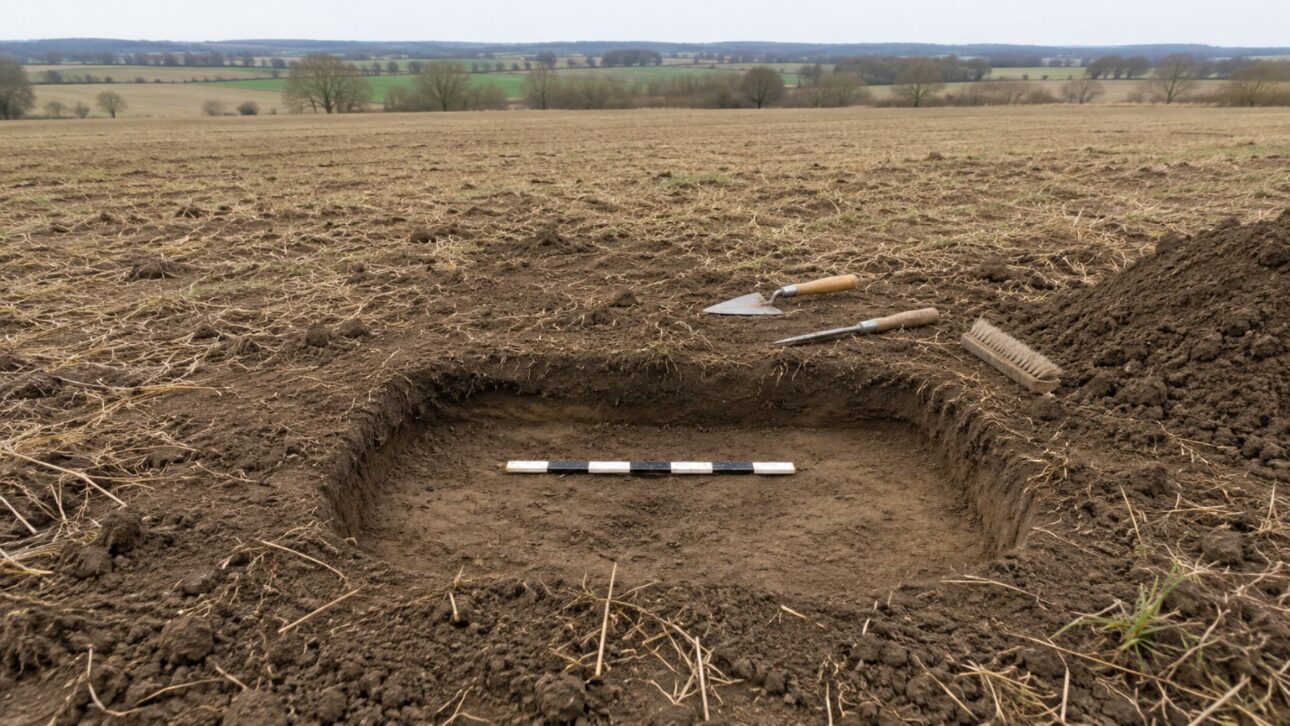
In the Zamość region, where Śniatycze is located, previous discoveries were usually isolated pieces or broken fragments.
Finding 18 grouped and intact items is therefore considered exceptional for that part of eastern Poland.
The rarity increases the scientific value of the set, which allows studying several pieces at once.
Large deposits of Lusatian ornaments are more common in other areas, not there.
It’s like finding a closed chest where previously only loose coins appeared, according to the archaeologists themselves.
Each extra piece helps to assemble the puzzle of how that society lived and adorned itself.
The ritual theory: a deposit linked to water
One of the most intriguing questions is why someone would bury so much bronze at once.
Studies on similar findings suggest that many deposits were not hiding places, but rather offerings.
An analysis cited by the specialized press associates the collection with an ancient ritual linked to water.
Ancient peoples used to deposit valuable objects near rivers, lakes, or flooded areas as a form of worship.
In this logic, the bronze jewelry was not lost or hidden from thieves, but purposefully given.
If the hypothesis is confirmed, the treasure is less a vault and more a buried altar.
Understanding the intention behind the deposit is as important as cataloging the pieces.
The metal detector and the rules in Poland
The way the find happened also tells a lesson.
The person responsible for the discovery was not a clandestine hunter, but a licensed detectorist.
In Poland, using a metal detector to search for artifacts requires authorization from heritage authorities.
Anyone who finds something is required to report it to the competent authority, instead of selling or keeping the piece.
It was this legal path that ensured the bronze jewelry went straight for study and conservation.
The difference between a regularized detectorist and a looter is what separates science from damage to heritage.
The case thus becomes an example of how the hobby of metal detecting can aid archaeology.
Why discoveries like this matter beyond the shine
An ancient treasure is worth much more than the weight of its metal.
Each piece is a document about the technology, trade, fashion, and beliefs of those who lived 2,500 years ago.
The way of casting bronze reveals the technical level, and the designs reveal taste, hierarchy, and symbols.
The location and manner of the deposit tell about religion and that people’s relationship with the environment.
Collections like that of Śniatycze help to rewrite little-known chapters of European prehistory.
That’s why archaeologists celebrate an intact find so much: it preserves the context, not just the object.
In the end, the value is in the information, not in an auction figure.
What the case of the bronze jewelry shows
The discovery of Śniatycze combines the ingredients that make a find go viral: round number, enormous age, and chance.
She shows how a common field can hide, 30 centimeters below, an entire chapter of history.
But it’s worth maintaining precision.
Although it appears as a Bronze Age treasure, the set is dated to the transition to the Iron Age, in the Hallstatt D period.
It’s not about gold or monetary fortune: the value of the bronze jewelry is historical and scientific, not for a safe.
And the analysis is still ongoing, so part of the conclusions may change with new studies.
Even so, few finds summarize so well how a well-used metal detector becomes an ally of archaeology.
From a field in eastern Poland to the laboratories, the 18 pieces continue to tell what the Lusatian culture left behind.
And you, would you return to the authorities a 3.6-kilogram treasure found in your backyard, as the law requires? Comment here if you would be willing to explore a field with a metal detector in search of a find like this.