






 Portuguese
  Spanish


The only Brazilian state disconnected from the national system and dependent on expensive diesel, Roraima was finally connected to the grid by a line that crossed the Amazon rainforest
For decades, Roraima carried an embarrassing title: it was the only Brazilian state outside the National Interconnected System, an island dependent on diesel generators and energy imported from Venezuela. In 2025, that finally changed. The Tucuruí transmission line connected the state to the rest of the country’s grid and ended an energy isolation that had lasted forever.
The turnaround happened in September 2025, when the Tucuruí transmission line began to energize Boa Vista from the national grid. The end of the isolation is not just symbolic: it means more stable, cheaper energy and opens the door for investments that previously did not arrive due to the lack of reliable power.
The last state outside the national grid
Roraima’s situation was unique in the country. According to Poder360, until 2018 the state depended on 100% diesel-powered thermal plants and energy imported from Venezuela, an expensive and unstable supply that frequently failed.
-
Brazil Invests in Domestic Semiconductor Production Amid $50 Billion Chip Import Dependency

-
As 5G Expands in Brazil, Huawei and Samsung Compete for Billions in 6G Patents, Promising 100x Faster Network by 2030 with Remote Surgeries and Autonomous Drones

-
Brazil Launches First Commercial Rocket from Alcântara, Enters Space Market
-
Butantan’s Dengue Vaccine Becomes World’s First Single-Dose Solution, Prevents 100% of Hospitalizations


When Venezuelan energy was cut off, the state plunged into blackouts. Depending on a neighbor in crisis and expensive generators left the local economy hostage to the lack of power. Being the only part of Brazil disconnected from the national grid hindered any long-term planning, because no one invests heavily where energy can fail at any moment.
From 84 blackouts to 4 per year
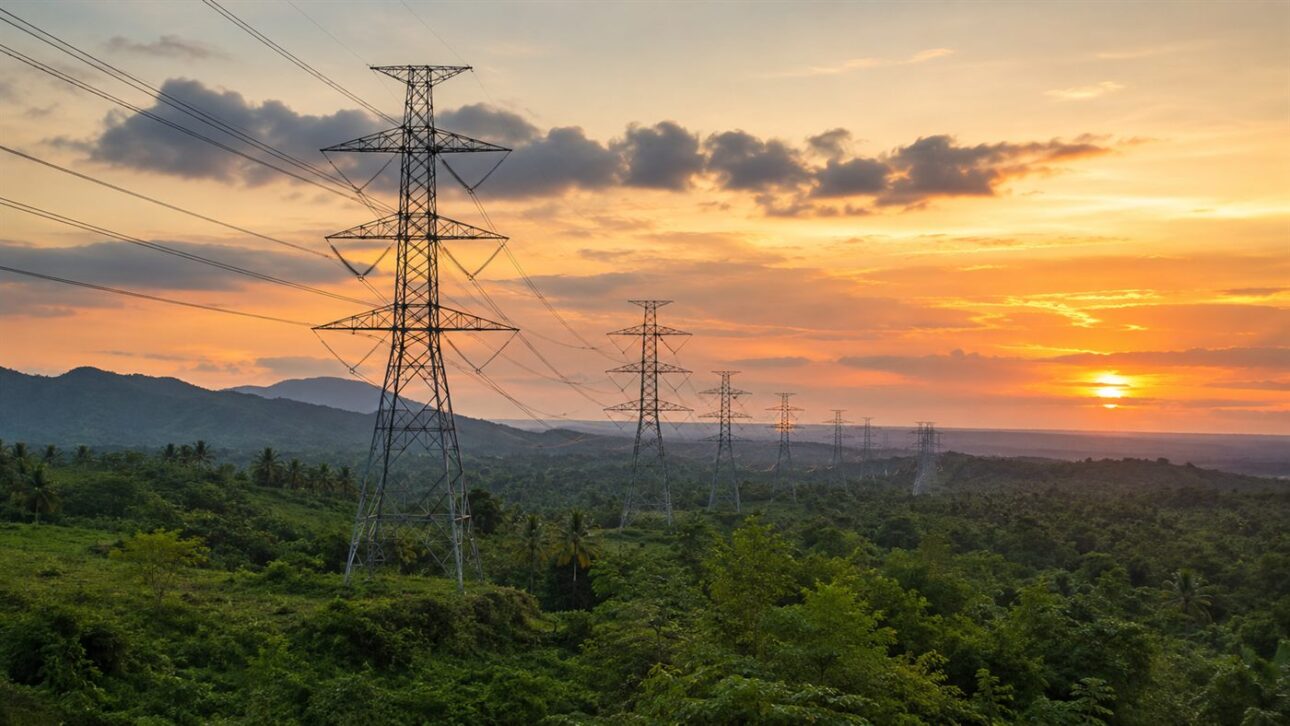
The impact on the quality of supply is evident in the numbers. According to Poder360, Roraima recorded 84 blackouts in 2018, at the height of the supply crisis, and this total plummeted to just 4 in 2024, a 95% reduction.
This improvement had already been underway, and the definitive connection to the national grid tends to consolidate stability. For those who lived with flickering lights, the difference is enormous. Going from almost ninety blackouts a year to just a handful is concrete proof that the infrastructure has reached a new level, and that’s what the power line came to ensure once and for all.
The Tucuruí power line and the R$ 3.3 billion to cross the Amazon
Connecting an isolated state in the middle of the forest is neither cheap nor simple. According to the Ministry of Integration and Regional Development, the project cost R$ 3.3 billion in total, with R$ 2.5 billion financed by federal funds, equivalent to about 76% of the work.
The line operates at 500 kilovolts, in a double circuit, connecting the Amazonas system to Boa Vista, with substations along the route. Building such a transmission line in the middle of the Amazon, with all the environmental complexity involved, is an engineering feat. Bringing energy to those surrounded by forest requires expensive work and extra care, and this challenge has finally been realized.
From expensive diesel to grid energy
The change of source has a direct effect on the pockets of all Brazilians, not just those in Roraima. The Ministry of Integration points out that the connection could reduce by more than R$ 500 million per year the subsidies of the Fuel Consumption Account, paid by all consumers in the country to support diesel generation in isolated systems.
In other words, keeping Roraima connected to generators was expensive for the entire nation. With energy coming from the grid, this burden decreases. Every diesel generator turned off is money that stops coming out of the pockets of consumers throughout Brazil, in addition to cutting emissions and noise. The bill that seemed local was actually everyone’s.
Roraima becomes a strategic energy hub
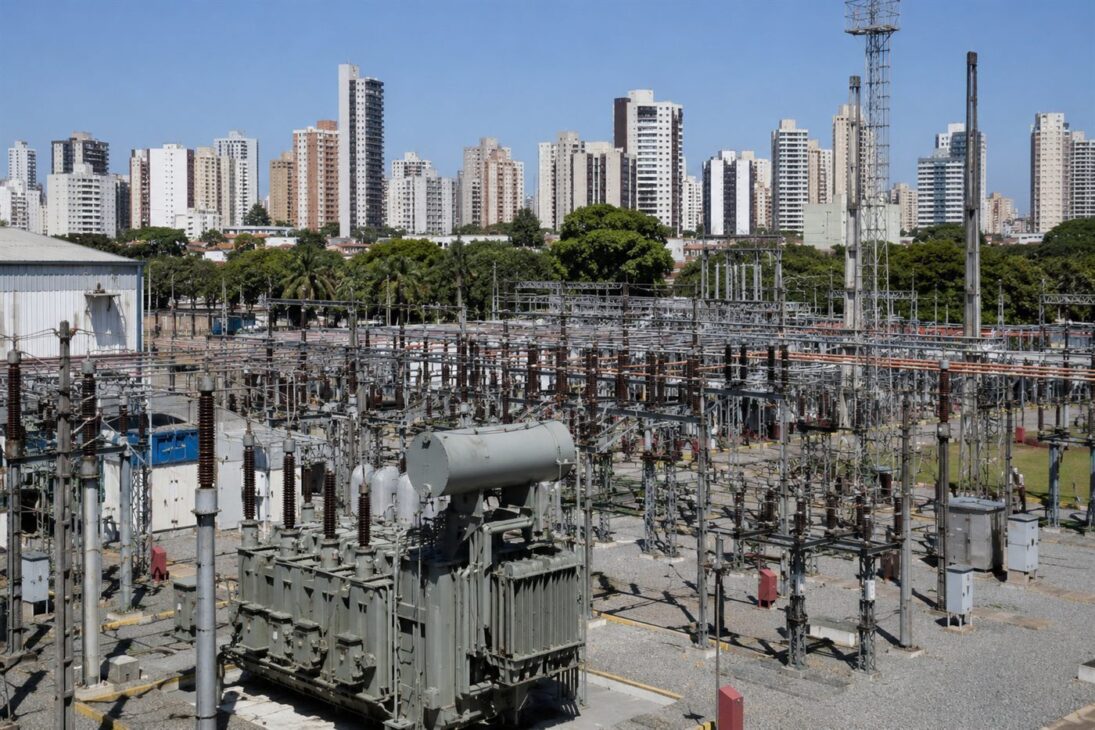
The end of isolation changes the economic game. According to the Ministry of Integration, with entry into the national system, Roraima is projected as a new strategic energy hub, capable of attracting investments in sectors that previously did not even consider the state.
Among the mentioned areas are data centers, slaughterhouses, irrigation, tourism, and health services, all dependent on reliable energy. Stable energy is a prerequisite for any modern industry, and that was exactly what was lacking in Roraima, which now enters the map for those looking to invest in the North of the country.
70% of the demand and even energy export
The capacity of the new connection is generous. The Ministry of Integration reports that, by 2026, the power line should meet about 70% of Roraima’s energy demand, replacing much of the remaining diesel generation.
More surprising: the state that used to import energy has already started to give back. On a Sunday in September, Roraima managed to export 27 megawatts to the national system. Going from being a perpetual importer to sending energy back to the grid is the symbolic reversal that shows the magnitude of the turnaround, from dependent to contributor to the system.
A project that took decades to materialize
The connection was not quick. The idea of the power line dates back to the 1990s, but the work was stalled for a long time due to various obstacles, only being resumed with force from 2023. It took more than two decades between the dream and the energization.
There were also environmental compensations exceeding R$ 100 million allocated to indigenous communities along the line’s route, part of the effort to reconcile the work with the forest. Building in the Amazon means negotiating with nature and those who live in it, and that takes time, which explains much of the project’s historical delay.
Why this changes the state’s economy
In the end, the arrival of reliable energy is a watershed for Roraima. Isolated states are trapped by a low ceiling of growth because industry, commerce, and services need stable power to function. With the power line, this ceiling has risen at once.
The question that remains is whether Roraima will be able to transform the energy that has finally arrived into real development, with jobs and industry, or if the opportunity will be lost. Did you know that, until recently, there was an entire Brazilian state running on generators and imported energy from another country?


