Portuguese
  Spanish


In Austin, Apollo humanoid robots repeat tasks with human operators, artificial intelligence, and applied robotics to generate physical data. The training shows how androids leave laboratory videos and enter the race for logistics, factories, commerce, and homes, attracting Apptronik, Google, Mercedes-Benz, and new billionaire rivals.
Apptronik’s humanoid robots spend the day training in Austin, Texas, within a space called Robot Park, where they learn physical tasks under human and artificial intelligence guidance. The process was described in a report published by Exame on June 30, 2026, and shows how robotics is trying to prepare androids for logistics, factories, and activities currently performed by people.
The operation involves Apollo robots, human operators, artificial intelligence models, and a growing competition among startups, automakers, big techs, and logistics companies. The goal is to generate real movement data, something essential for androids to move beyond merely impressing in videos and start performing useful functions in commercial environments, reinforcing the robotics race outside laboratories.
The android school functions as a data factory
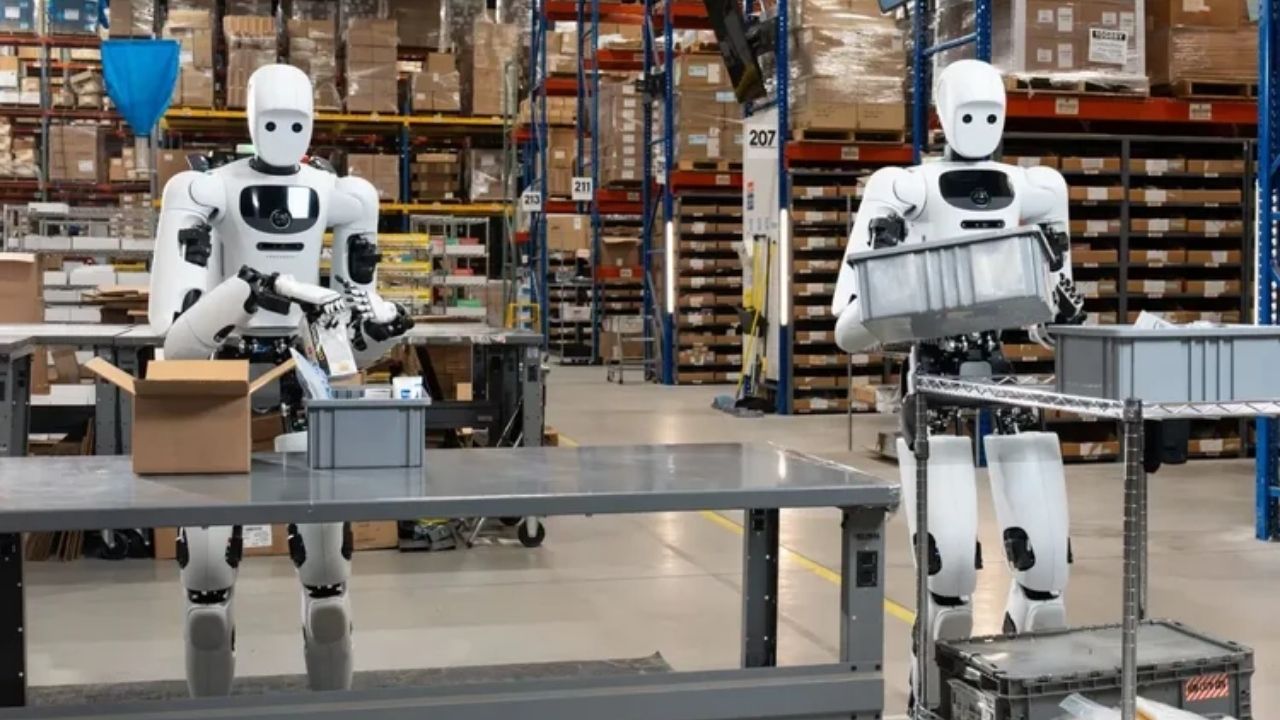
In a warehouse with over 8,000 square meters in Austin, the Apollo robots repeat simple tasks during the day, such as stacking boxes on a conveyor belt and sorting toys into crates. The place operates seven days a week, and next to each machine, there is a person monitoring, correcting, and guiding the movements.
-
Agrivoltaic Energy Harvests Sunlight and Food on the Same Land, Powers 14 GW Globally

-
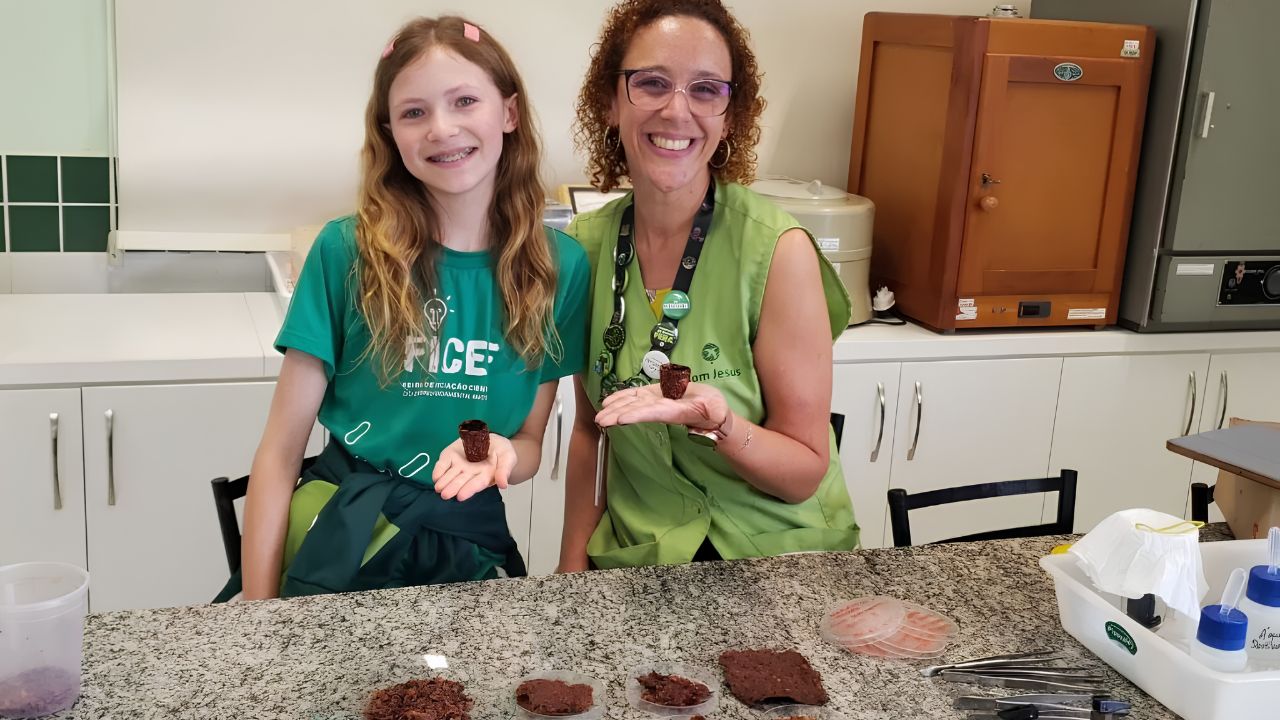
Sixth-Grader in Brazil Turns Pine Nut Shells into Biodegradable Cups that Decompose in Five Weeks

-
Chinese Robot Dog Equipped with Wheels Can Cross Rivers, Ice, and -30°C Cold, Aiding in Power Grid Inspections and Disaster Areas

-
Researchers Develop “Electronic Nose” to Detect Spoiled Food and Allergen Traces



This environment is called Robot Park and belongs to Apptronik, a Texan startup specializing in humanoid robots. The idea is not just to teach an isolated task, but to transform each repetition into useful data to train artificial intelligence models, creating a practical archive on how machines should act in the physical world.
O foco da empresa mudou para o mercado civil, onde há uma corrida bilionária por soluções robóticas que possam substituir ou complementar o trabalho humano em diversas indústrias. O Apollo é um exemplo de como a Apptronik pretende se destacar nesse cenário, oferecendo um robô que não apenas se parece com um humano, mas que também pode trabalhar como um.
Com investimentos crescentes e parcerias estratégicas, a Apptronik está posicionada para competir com gigantes da tecnologia que também apostam no futuro dos robôs humanoides. A corrida não é apenas por tecnologia, mas por um novo paradigma de trabalho, onde humanos e máquinas colaboram de forma mais próxima e eficiente.
Today, the company has already raised close to US$ 1 billion and is valued at around US$ 5 billion, according to the data cited in the report. Mercedes-Benz, one of the investors, uses Apollo robots in factories for simple tasks, such as gathering components and tools for the assembly line. Meanwhile, DeepMind, Google’s AI division, uses the same robots to enhance Gemini Robotics.
Big techs, automakers, and startups compete for the same future
Apptronik is not alone in this race. Elon Musk has already described a similar strategy for Tesla’s Optimus robots, with a kind of academy where machines test tasks and produce a continuous flow of data. The logic is similar: the more a robot practices, the more material there is to train its systems.
Other companies are also accelerating. Figure AI, valued at around US$ 39 billion, is starting operations in logistics and distribution centers. 1X promises to send more than 10,000 humanoids to homes later this year. Agility Robotics already has the Digit robot in nine customer facilities, including Amazon and Toyota, and is preparing to go public.
Logistics could be the first major testing ground
Distribution centers, warehouses, and factories appear as natural environments for the first commercial tests. In these locations, many tasks are repetitive, predictable, and based on moving, sorting, organizing, or delivering objects. For humanoid robots, this type of routine can be easier to standardize than a house full of unforeseen events.
Even so, the promise is greater than logistics. If androids can operate safely in factories and warehouses, the next step may involve commerce, services, and, in the future, domestic environments. The question is whether technical advancement will keep up with the billion-dollar expectations that already surround the sector.
The challenge now is to turn demonstration into real work
Videos of humanoid robots impress because they show machines with human-like forms executing complex movements. But the market will not be defined solely by controlled demonstrations. The decisive point will be proving that these robots can work for hours, with few errors, viable costs, and real integration into company operations.
Apptronik’s school in Texas shows precisely this transition. The androids have moved from being just laboratory prototypes to entering a phase of industrial training, guided by data, human operators, and interest from major investors. In your opinion, will humanoid robots become a real help at work, or are they still far from justifying this billion-dollar race?