






 Portuguese
  Spanish
  5 min of reading
  0 comments


Project created by public school students in Maranhão was presented at ExpoSertão and brings together bioinsecticide, biogas, and biofertilizer in solutions aimed at challenges faced by rural producers.
Students from Sucupira do Norte, in the Maranhão hinterland, presented sustainable solutions focused on the countryside at the 25th ExpoSertão, with a focus on pest control in corn crops and energy generation from organic waste.
The projects were developed by students from the Basic Education Unit João Pereira dos Santos and gained visibility after the Biotech team participated in the Young League Challenge, an innovation and entrepreneurship competition promoted by Sebrae in partnership with the Future Ideas Institute.
Held from June 11 to 14, 2026, in São João dos Patos, the fair brought together rural producers, entrepreneurs, students, and institutions linked to the regional agribusiness.
-
Ötzi, the 5,300-year-old mummy found in the Alps, reveals a still active microbiome, and the Iceman’s yeast points to an energy-saving fermentation.

-
More than half of the Earth’s largest lakes are shrinking simultaneously: satellites reveal that 53% of the largest lakes and reservoirs have lost water over three decades, in a collapse equivalent to 17 times the largest reservoir in the United States.

-
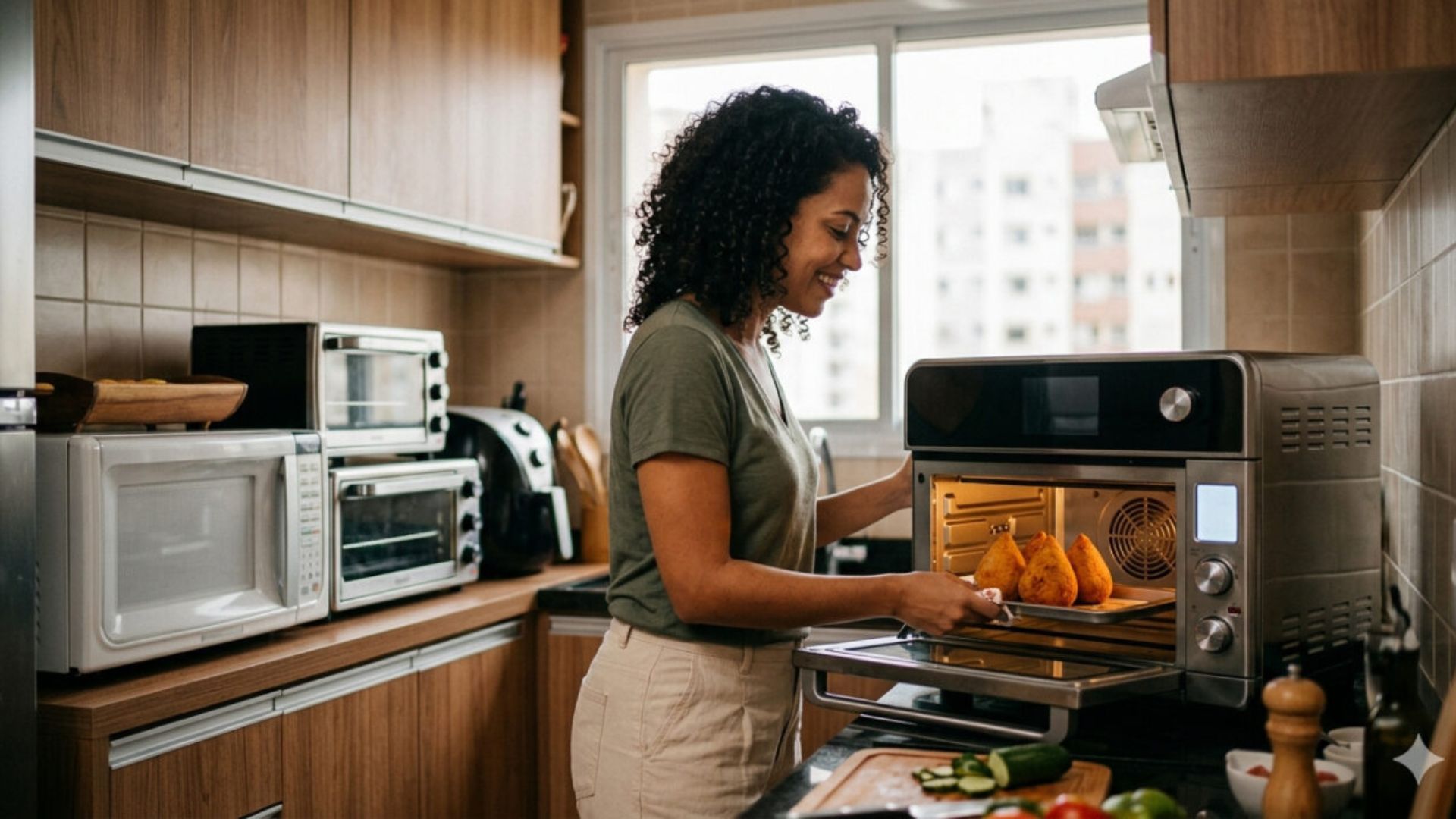
Goodbye to the microwave: the appliance present in 96% of Brazilian kitchens is starting to lose space to a single device capable of heating, baking, broiling, and preparing recipes like a microwave, electric oven, and air fryer, occupying practically the same spot on the counter.
-
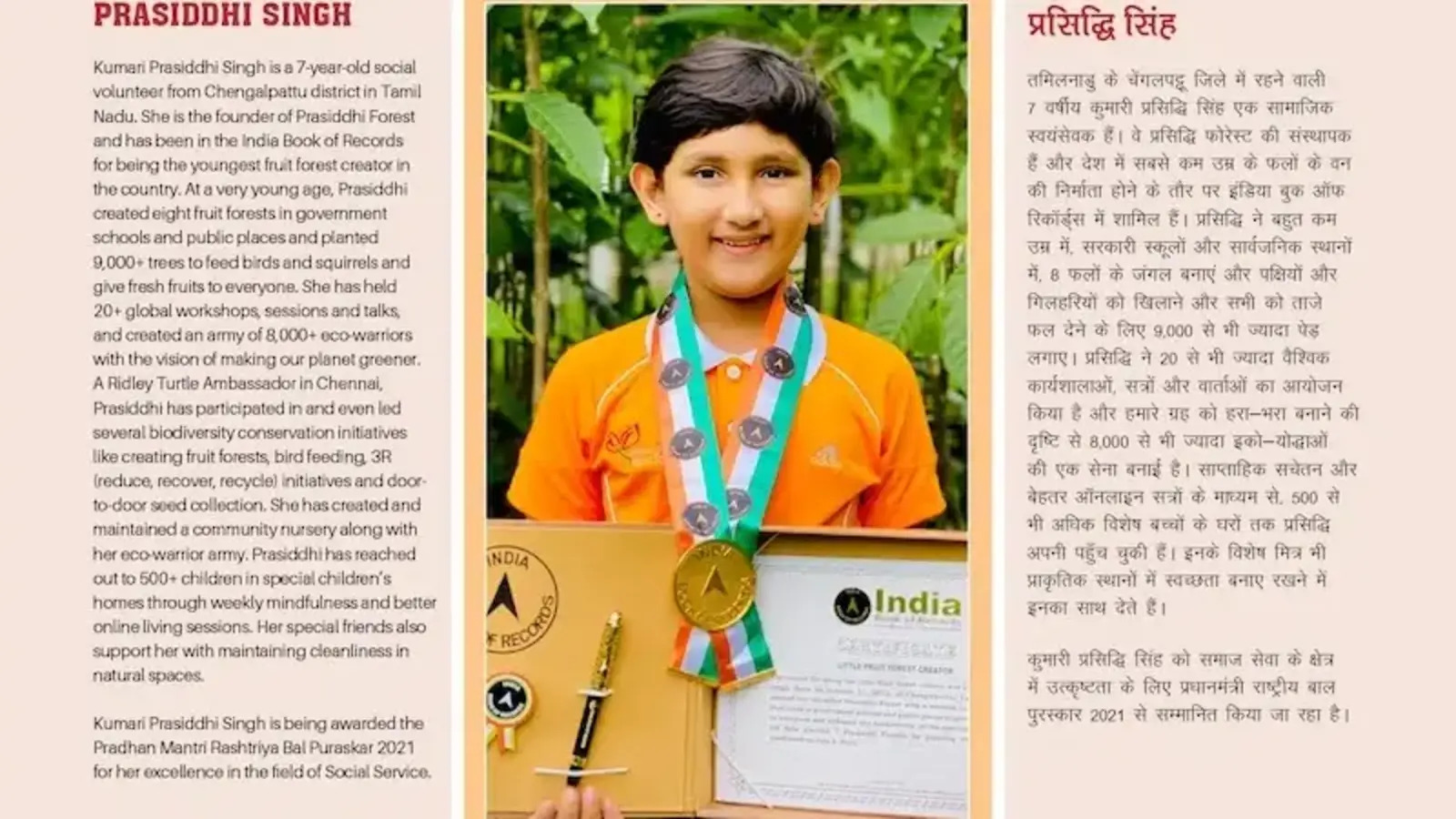
13-year-old Indian girl impresses the world by leading the planting of 200,000 trees in over 120 locations and gaining international recognition while still in childhood.



At the event, the young people presented proposals based on bioinsecticides, biogas, and biofertilizers, within a program focused on innovation, rural management, and strengthening small businesses in the agricultural sector.
The initiative was developed in a public school and directed at problems reported by producers in the region, such as the cost of energy and pest management in crops.
The project seeks to use local resources and organic waste as a basis for lower-cost alternatives, according to information released by Sebrae Maranhão.
Sustainable technology created in a public school in Maranhão
The Biotech team is formed by students Davi Lucas, Carmen Katherine, Isaac Lima, Nailton Tomaz, and Diana Costa, under the guidance of teacher Miriane Pereira Teixeira.
The group reached the final of the third edition of the Young League Challenge after presenting proposals associated with sustainability and the use of resources available in the rural environment.
At ExpoSertão, the students had direct contact with producers, entrepreneurs, and partner institutions.
This format allowed the projects to be presented to an audience linked to agricultural production, especially to people interested in solutions for productivity, production costs, and waste utilization.
Among the technologies exhibited is a bioinsecticide made from neem and castor bean, raw materials found in the region.
The proposal targets the fall armyworm, identified in the original text as one of the main pests of corn crops.
According to the student Nailton Tomaz, the intention is to offer producers a control alternative that is accessible and has less dependence on aggressive chemicals.
“We came to present a bioinsecticide developed from neem and castor bean, an efficient alternative for controlling the fall armyworm, one of the main pests of corn crops. The proposal is to offer producers an innovative, sustainable, and accessible solution to protect their plantations,” he stated.
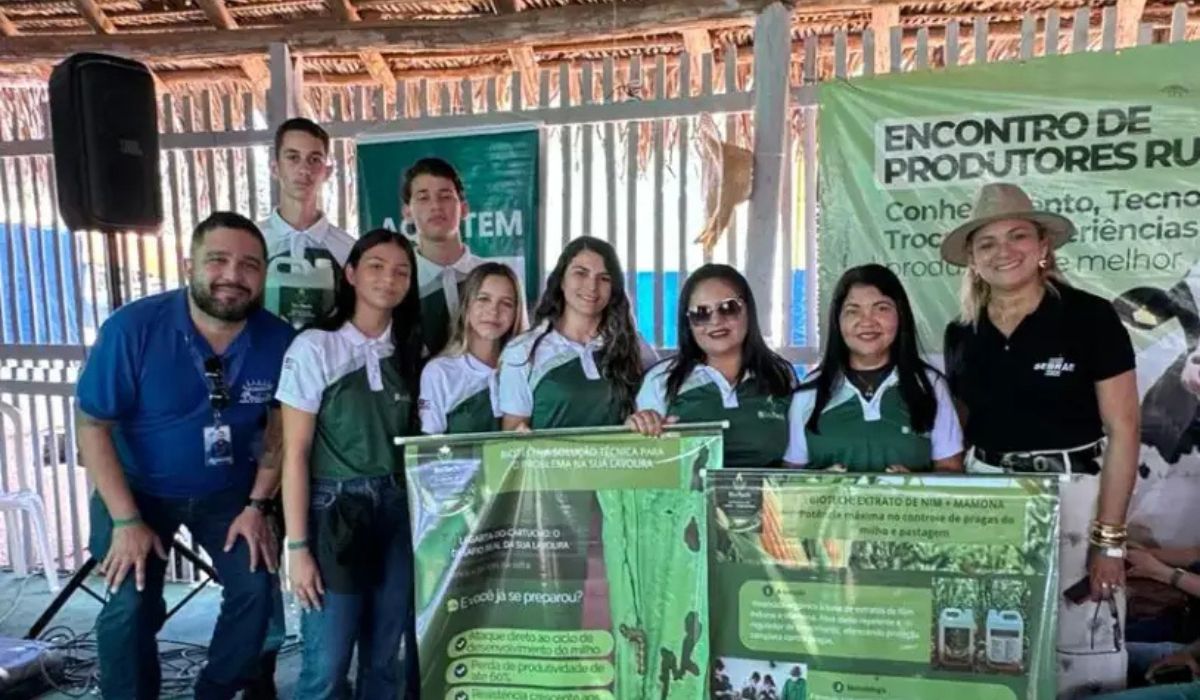
Bioinsecticide for corn crops targets fall armyworm
The fall armyworm is a pest associated with losses in corn plantations, especially when management is not done properly.
In the project presented by the students, the use of plant inputs appears as an alternative to support producers in controlling the pest, without replacing the need for technical validation and specialized guidance.
The original text does not inform whether the bioinsecticide has already undergone external technical tests, independent scientific validation, or regulatory authorization for commercial use.
Therefore, the solution is treated in this article as a student innovation initiative, presented at a fair and aimed at experimenting with sustainable alternatives for the field.
The team also brought to ExpoSertão the project “Gás do Campo”, aimed at transforming organic waste into biogas and biofertilizer.
The proposal had already been presented in 2025, when students from Sucupira do Norte advanced in stages of the Young League Challenge with an initiative aimed at utilizing rural area waste.
In a previous publication by the Sebrae News Agency, Professor Miriane Pereira Teixeira stated that the project arose from observing available waste on rural properties.
According to her, these materials could be used to produce biogas and biofertilizer, with the potential to contribute to sustainability and cost reduction in the field.
ExpoSertão brought together rural producers and innovation projects
The 25th ExpoSertão had a program focused on regional agribusiness, with lectures, exhibitions, technical assistance, and meetings on productivity and competitiveness of rural properties.
In addition to student projects, the event brought together guidance actions for small businesses and activities related to innovation in the sector.
Sebrae participated in the “Together for Agro” space, in partnership with Senar, offering services to entrepreneurs interested in management, market access, and technology.
During the Rural Producers Meeting, which gathered about 220 participants from different production chains, the institution presented Sebraetec, a service that connects small businesses to specialized consultancies.
The solution covers areas such as improvement of production processes, product development, packaging adaptation, and certifications.
According to Sebrae, the service is aimed at entrepreneurs seeking technical support to improve products, processes, and market strategies.
Rural producer Jeane Brito, from Passagem Franca, reported that participating in such activities contributes to access to information and the exchange of experiences in the sector.
“It’s always very good to participate in these lectures because we learn new things, receive important information, and exchange experiences that help a lot in our daily life on the farm and in production,” she stated.
Sebrae Business Fair 2026 was announced in São João dos Patos
The ExpoSertão program also included the official launch of the Sebrae Business Fair 2026.
The event is scheduled to take place from August 14 to 16, 2026, in São Luís, bringing together entrepreneurs, suppliers, investors, and partners from different segments.
The fair’s proposal is to offer activities aimed at those who are already entrepreneurs and people interested in starting a business.
The program is expected to include lectures, workshops, mentoring, specialized services, and an exhibition of products and services, according to information released by Sebrae.
For Allan Kennedy, manager of the Sebrae Business Unit in Presidente Dutra, the institution’s presence at ExpoSertão was linked to the promotion of solutions such as Sebraetec, the Business Fair, and other initiatives aimed at small businesses.
He also highlighted the presentation of Biotech, a finalist project of the Young League Challenge, as part of the innovation agenda brought to the event.
The participation of students in the fair shows, according to Sebrae, the relationship between entrepreneurial education, innovation, and the demands of the local productive sector.
By working with themes such as energy, organic waste, and pest control, the students presented proposals associated with common challenges in rural properties in the interior of Maranhão.
The solutions still depend on technical validation for potential commercial scale application.
Even so, the presentation at ExpoSertão put the projects in contact with producers and institutions that operate in the regional agribusiness.






Be the first to react!