






 Portuguese
  Spanish
  4 min of reading
  0 comments


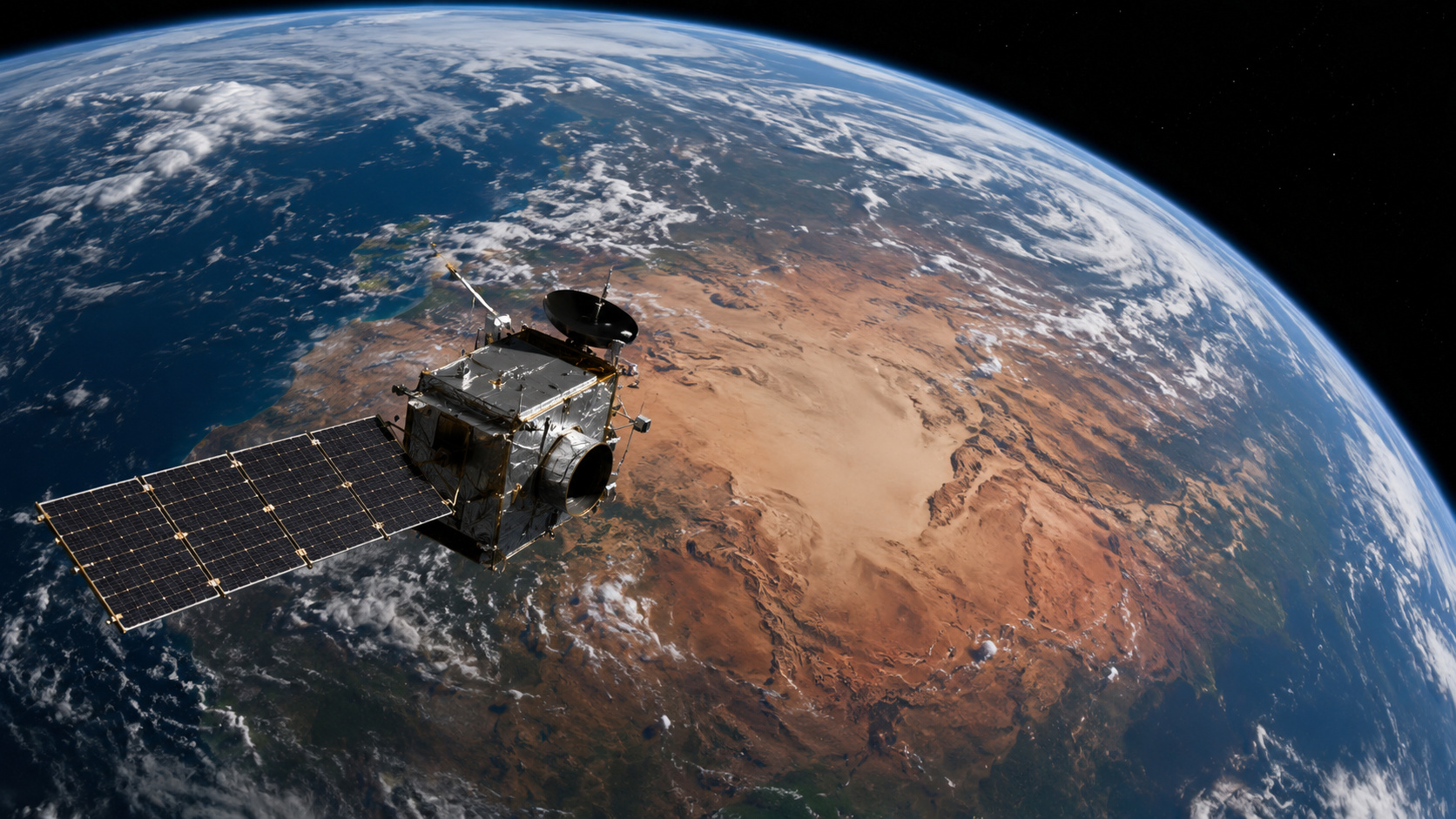
Study from Science shows that 53% of the largest lakes and reservoirs lost water between 1992 and 2020, expanding the global alert on water security.
According to a study published in Science in May 2023, 53% of the 1,972 largest lakes and reservoirs on the planet lost water in a statistically significant way between 1992 and 2020. The work gathered three decades of satellite observations, climate data, and hydrological models to measure, for the first time on a global scale, how water storage is changing in the Earth’s largest bodies of water.
The alert is especially serious because lakes store about 87% of all the planet’s surface liquid freshwater, a crucial reserve for human supply, irrigation, power generation, and ecosystem maintenance. According to the authors, what previously seemed like a sequence of isolated crises in famous lakes now appears as a global trend of water loss.
Study from Science analyzed nearly 2,000 lakes and reservoirs over 28 years
The research evaluated the 1,972 largest lakes and reservoirs in the world over 28 years, covering the period from October 1992 to September 2020.
-
Goodbye to the microwave: the appliance present in 96% of Brazilian kitchens is starting to lose space to a single device capable of heating, baking, broiling, and preparing recipes like a microwave, electric oven, and air fryer, occupying practically the same spot on the counter.

-
13-year-old Indian girl impresses the world by leading the planting of 200,000 trees in over 120 locations and gaining international recognition while still in childhood.

-
Coral reefs gain new hope after scientists identify 165,000 km² with potential to resist heat in 71 countries, serve as living recovery banks, and protect food, jobs, and coastlines of nearly 1 billion people under climate threat.

-
An American giant could disappear in five years: Utah’s Great Salt Lake has already shrunk by two-thirds, exposing a bed full of arsenic, and scientists are calling its collapse an “environmental nuclear bomb” about to explode over a city of more than a million people.



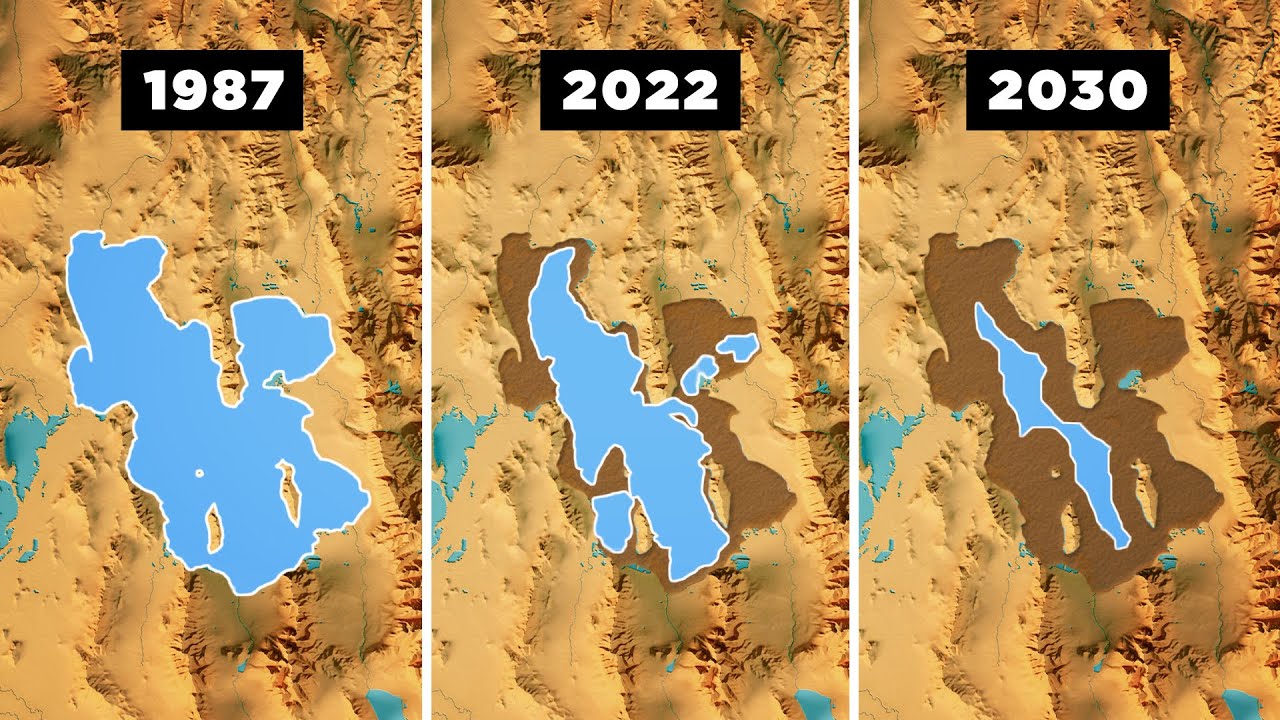
The result showed that the shrinking of water storage is not restricted to some emblematic cases, but already dominates more than half of the planet’s largest lake systems.
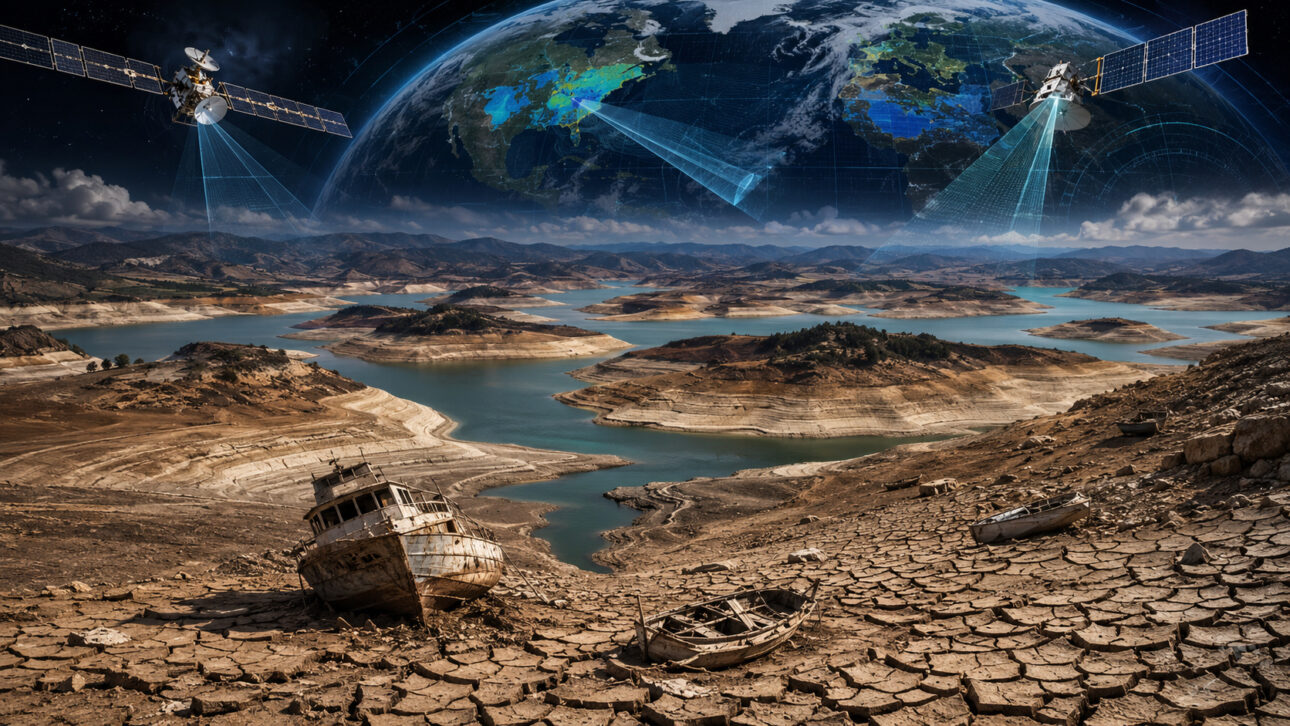
To reach this diagnosis, the researchers used about 250,000 images of lake areas captured by satellites, as well as water level measurements obtained by nine orbital altimeters.
The combination of these records allowed the reconstruction of water volume variation on a global scale with a level of consistency that previous assessments had not achieved.
Water loss already equals 17 times Lake Mead and turns the problem into a planetary alert
According to the release by CIRES, the volume lost by the analyzed lakes is comparable in magnitude to 17 times Lake Mead, the largest reservoir in the United States. It is a number that helps translate a silent but gigantic change in the geography of freshwater available on the Earth’s surface.
The weight of this result increases because lakes occupy a relatively small portion of the planet’s surface but concentrate most of the surface liquid freshwater.
When these systems shrink, the impact is not limited to the landscape: it advances over supply, agriculture, energy, and ecological balance in various regions at the same time.
Natural lakes and reservoirs are drying up for different reasons
In natural lakes, the study attributes the net volume loss mainly to climate warming, increased evaporative demand, and human water consumption. In other words, a significant part of the problem comes from the combination of higher temperatures, increased evaporation, and direct water withdrawal for human use.


In artificial reservoirs, the dominant mechanism is different. The study points out that sedimentation leads the loss of storage capacity in existing reservoirs because sediments transported by rivers begin to occupy the space previously filled by water.
The team also concluded that almost two-thirds of the Earth’s large reservoirs have suffered significant water losses.
Even lakes in humid regions do not escape the global water crisis
One of the most concerning findings is that water loss was not restricted to arid areas. According to CIRES, lakes in dry and humid regions are losing volume, including humid tropical lakes and Arctic lakes, indicating a much broader drying trend than previously imagined.

The human reach of the problem is also enormous. The authors estimate that about one-quarter of the world’s population, around 2 billion people, live in the basin of a drying lake.
At the same time, the study indicates that reversal is not impossible: the case of Lake Sevan in Armenia showed an increase in storage over the past two decades, associated with the implementation of conservation laws on water withdrawal since the early 2000s.
The message from the satellites is harsh, but still leaves room for reaction
The study reinforces that the lake crisis is not just a scientific curiosity nor a distant problem. It already affects strategic reservoirs, basins inhabited by billions of people, and critical sources of water and energy, requiring policies that simultaneously address climate change, excessive consumption, and sedimentation.
The main contribution of the research is precisely in transforming a previously fragmented phenomenon into a global risk map.
With this more precise tracking, public managers and communities now have a more solid foundation to protect lakes and reservoirs before gradual losses turn into collapses that are difficult to reverse.






Be the first to react!