






 Portuguese
  Spanish
  4 min of reading
  0 comments


More than five thousand years after death, Ötzi’s microbiome is not static. Scientists isolated in the Alps a yeast that survives extreme cold and can make industrial fermentation much cheaper, because it works without needing heat, which opens an unexpected door to energy economy.
A 5,300-year-old mummy should have almost nothing alive inside it. That is why the result of a new study on Ötzi, the famous Iceman, surprised even the researchers. In an article published on June 3, 2026, in the scientific journal Microbiome, the team from Eurac Research, in Bolzano, Italy, showed that the frozen body harbors a microbiome with organisms still metabolically active, capable of reacting to the environment as if time had not passed.
The finding changes the way we see the most studied mummy in the world. Instead of a static time capsule, Ötzi revealed itself as a dynamic ecosystem, where a yeast adapted to the cold of the Alps continues to behave like a living organism. And the detail that connects this science to the pocket of any industry is simple: this type of yeast can perform fermentation at low temperatures, without the energy expenditure that heating requires.
A mummy that is still changing inside
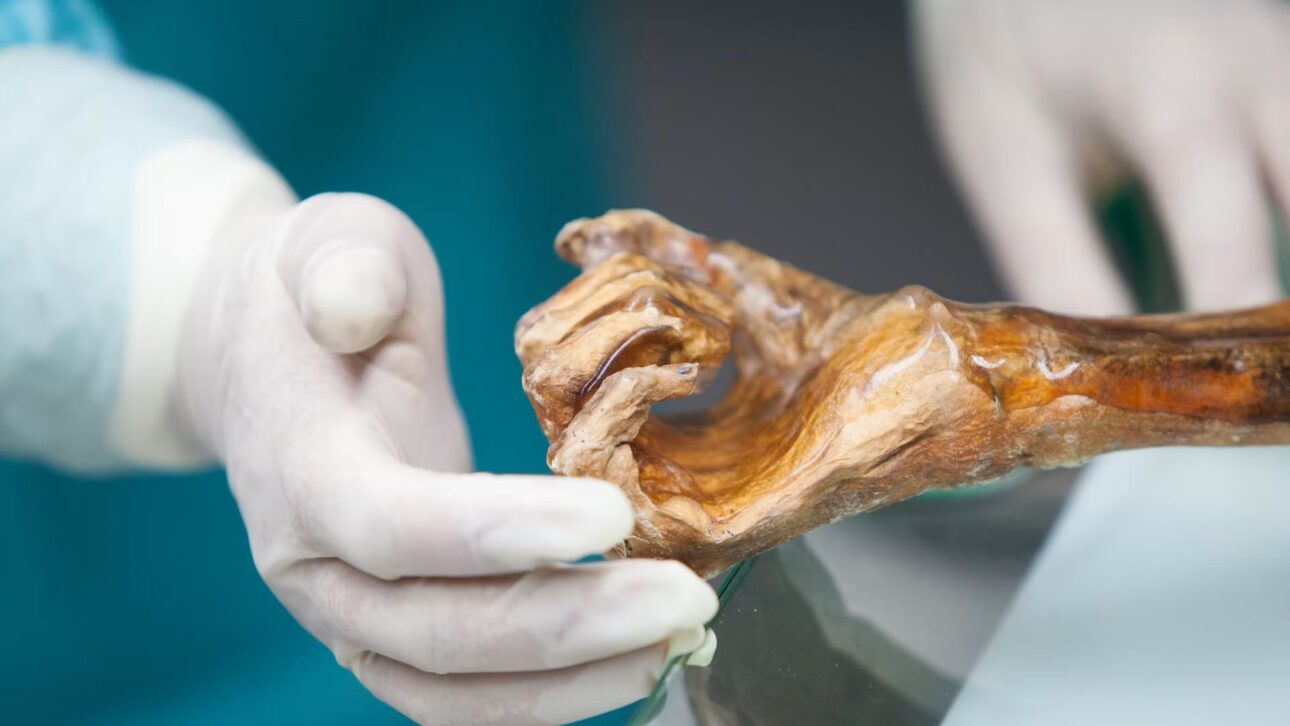
The most surprising point of the work was not finding ancient microbes, but realizing that they remain active and changing. By comparing samples collected in 2010 and in 2019, the scientists noticed that a yeast of the Glaciozyma genus, typical of icy environments like Antarctica, had multiplied and become the dominant species on Ötzi‘s skin. In other words, the microbiome of the Iceman was not frozen in time along with him.
-
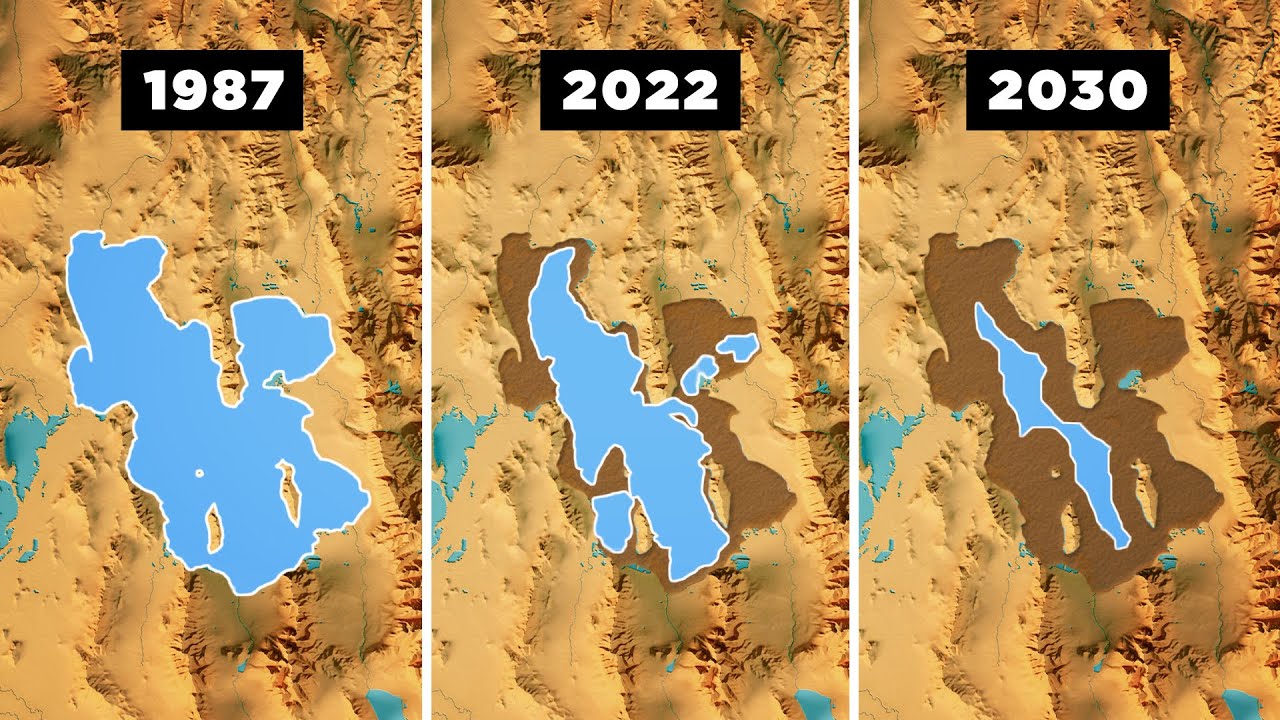
More than half of the Earth’s largest lakes are shrinking simultaneously: satellites reveal that 53% of the largest lakes and reservoirs have lost water over three decades, in a collapse equivalent to 17 times the largest reservoir in the United States.

-
Goodbye to the microwave: the appliance present in 96% of Brazilian kitchens is starting to lose space to a single device capable of heating, baking, broiling, and preparing recipes like a microwave, electric oven, and air fryer, occupying practically the same spot on the counter.

-
13-year-old Indian girl impresses the world by leading the planting of 200,000 trees in over 120 locations and gaining international recognition while still in childhood.

-
Coral reefs gain new hope after scientists identify 165,000 km² with potential to resist heat in 71 countries, serve as living recovery banks, and protect food, jobs, and coastlines of nearly 1 billion people under climate threat.



This behavior forced the team to separate what is old from what is recent. Some of the organisms colonized the body right after death, more than five thousand years ago, while others arrived during the decades of conservation in the laboratory. Even with this mixture, the finding that there is active life in the microbiome of a mummy from the Alps is, in itself, an extraordinary result that puts Ötzi back at the center of scientific debate.
The yeast that came from the ice of the Alps
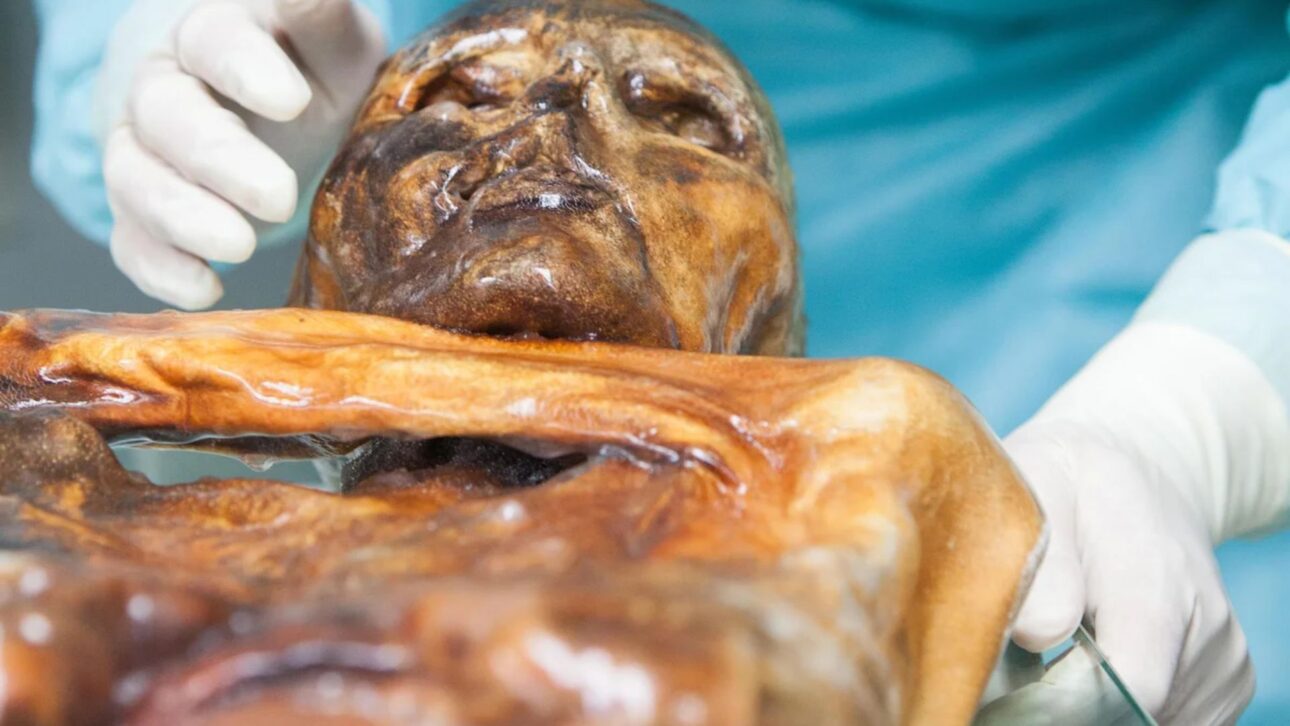
Discovered by mountaineers in 1991, on a glacier section on the border between Italy and Austria, Ötzi is the oldest and best-preserved natural mummy ever found. The extreme cold of the Alps acted as a giant freezer for more than five thousand years, and it was precisely this environment that selected resistant microorganisms. The team isolated four strains of cold-loving yeast, collected from the skin, internal meltwater, and even the stomach of the body.
Among these strains, the yeast extracted from the digestive system drew more attention. Researchers managed to cultivate it in the laboratory, a process that took about three months in cold conditions to obtain a stable culture. Its behavior impressed for another reason: the yeast showed the ability to handle phenol, an aggressive chemical substance used after the discovery to contain the advance of modern fungi on Ötzi.
Why this interests industry and energy
Here lies the angle that goes beyond archaeological curiosity. A yeast that performs active fermentation at very low temperatures offers a huge practical advantage. In food production, fermentation usually requires heated and controlled environments, which consume energy. With an organism that works in the cold, it is possible to ferment at room temperature or even inside a refrigerator, cutting part of the energy cost of the process.
To prove the concept, scientists used the ancestral yeast to bake a naturally fermented bread, turning a prehistoric ingredient into real food. More than the bread itself, what matters is the principle: extremophile microorganisms, adapted to hostile environments like the Alps, can yield more economical and sustainable industrial processes. It is the bridge between Ötzi‘s microbiome and sectors that thrive on energy efficiency.
What science still doesn’t know
Despite the enthusiasm, the authors urge caution. It is still not possible to say whether these life forms represent an uninterrupted lineage that survived for more than five thousand years or if they are organisms that remained dormant and reactivated after the mummy was thawed. The difference is significant for science, and answering this question requires further studies on the microbiome of the Iceman.
There is also a broader reflection. Comparing the yeast and other microorganisms of Ötzi with those of today can help understand how much of the ancestral microbiota the modern human body has lost over the millennia. Whether as a genetic reservoir or as a source of solutions for fermentation and energy economy, the mummy of the Alps continues to deliver much more than expected from a man who died in the Copper Age.
The case of Ötzi shows how a discovery from thousands of years ago can touch on very current topics, such as food production and energy efficiency. A yeast frozen in the Alps becoming an industrial interest is the kind of twist no one expected from a mummy.
And you, did you find the idea of a living microbiome after five thousand years more fascinating or the possibility of a fermentation that saves energy in the future? Tell us in the comments what impressed you the most.
SOURCES
- Eurac Research — Ötzi and his microbiome (institution author of the study)
- Scientific American — Ötzi’s microbiome is still active (active microbiome, Glaciozyma)
- Live Science — ancient yeast used to make sourdough (yeast, bread, fermentation)
- Smithsonian Magazine — sourdough with Ötzi’s yeast (Microbiome magazine, samples 2010 and 2019)




Be the first to react!