Portuguese
  Spanish




Laboratory prototype developed in Iran uses human nerve cells capable of forming neural networks, creating synapses, and paving the way for biological processors with higher speed and much lower energy consumption
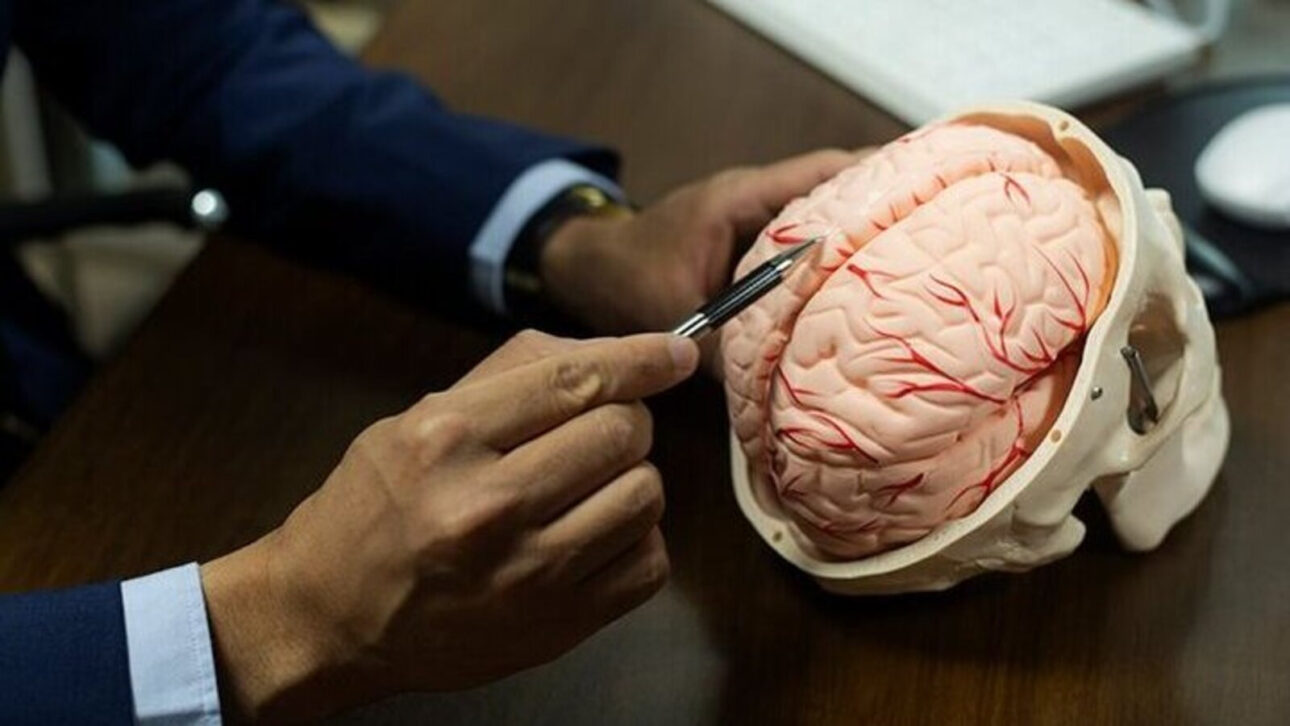
Iran has developed a laboratory prototype of an artificial brain made with living human neurons, capable of forming neural networks with learning. The information was released by Ataollah Pour-Abbasi, secretary of the country’s Headquarters for the Development of Cognitive Sciences and Technologies, and points to a focus on biological computing with lower energy consumption.


Artificial brain uses nerve cells cultivated outside the organism
According to Pour-Abbasi, Iran has mastered the technical knowledge necessary to cultivate nerve cells outside the organism.
These cells can create synapses, which are connections between neurons, and form networks that operate on the same principles observed in the human brain.
-
UK Selects Abandoned Nuclear Island for Rolls-Royce Reactors to Test Mini-Plant Viability Over 60 Years

-
12-Year-Old Indian Girl Invents FreshPaper, a Spice-Inspired Sheet That Extends Fruit Freshness by Four Times, Now Patented in the U.S.

-
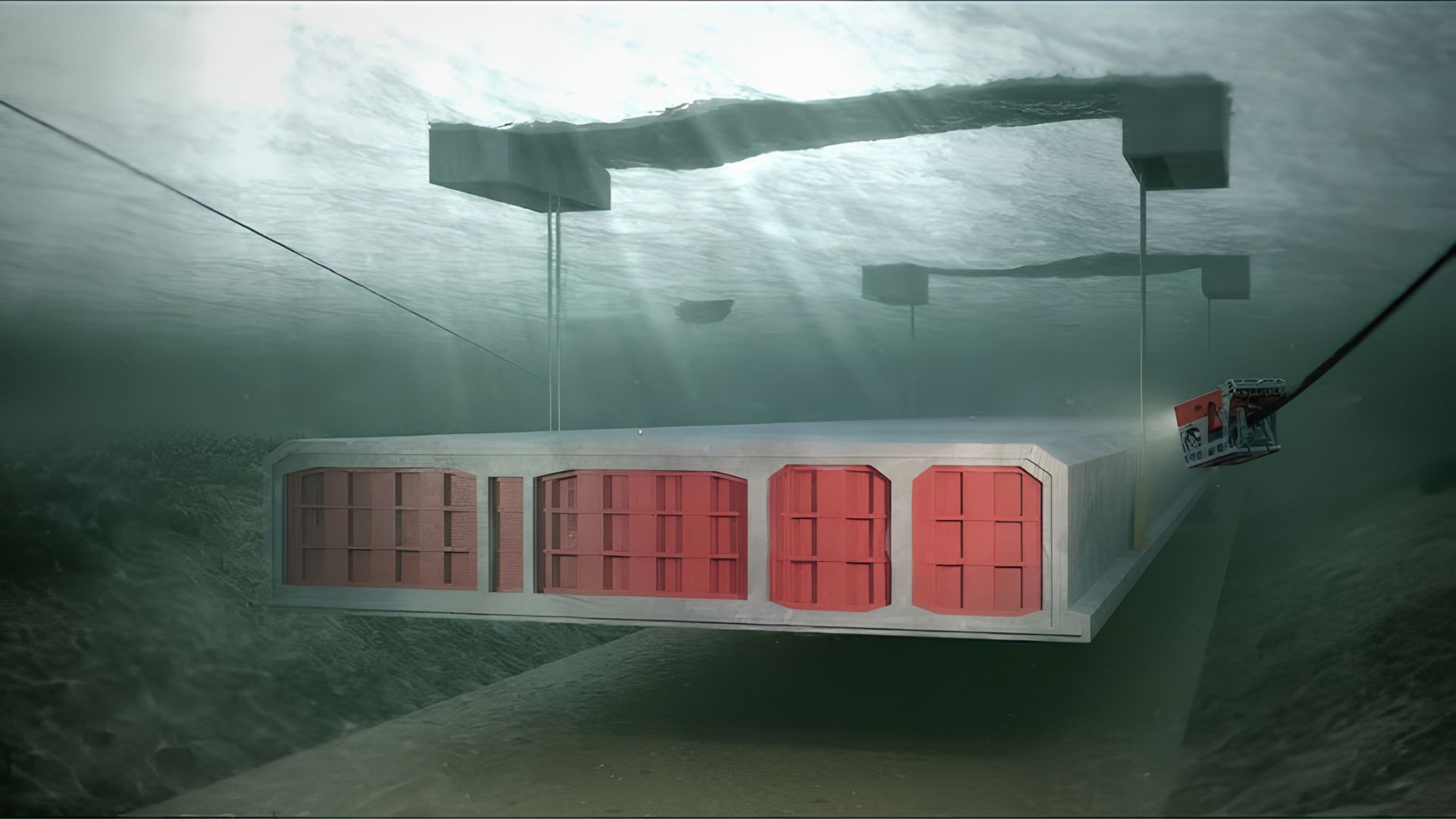
South Korea Tows 18 Concrete Blocks Weighing Up to 48,000 Tons Over 36 km to Construct a 3.2 km Underwater Tunnel Between Busan and Geoje, Installed Nearly 50 Meters Deep

-
Chinese Tianwen-2 Mission Targets Near-Earth Asteroid After 1 Billion Kilometer Journey to Collect Ancient Samples, Aiming to Uncover Clues About Water, Organic Compounds, and Solar System Origins Before Heading to a Comet




This advancement is considered the foundation for developing computational processors made from brain cells. The technology is known as organoid intelligence or biological computing.
Experimental prototype has already been produced by a high-tech company
Pour-Abbasi reported that a high-tech company has already produced an experimental prototype of the device.
The released material does not disclose the name of the company nor detail the current technical stage of the equipment.
The proposal is to use living human neurons to build computational systems that mimic the way the brain processes information. The goal is to combine learning capacity with low energy consumption.
Technology promises more speed and energy savings
The leader highlighted two main advantages of the artificial brain: a significant increase in information processing speed and a reduction in energy consumption by up to a million times compared to traditional silicon chips.
“These two advantages have made the transition to cellular processors a necessity and a priority on a global scale,” stated Pour-Abbasi.
Commercial path not yet completed
Despite the prototype, Pour-Abbasi acknowledged that Iran still needs to progress to bring the technology to a commercial level.
According to him, the country has already internally developed the entire set of necessary technical knowledge, from start to finish.
In the leader’s assessment, Iran is advancing in this area at the same pace as other leading states in the development of cellular processors and biological computing.
This article was prepared based on information from Mehr News Agency, a partner of TV BRICS, with data, numbers, and statements preserved as per the consulted material.