Portuguese
  Spanish


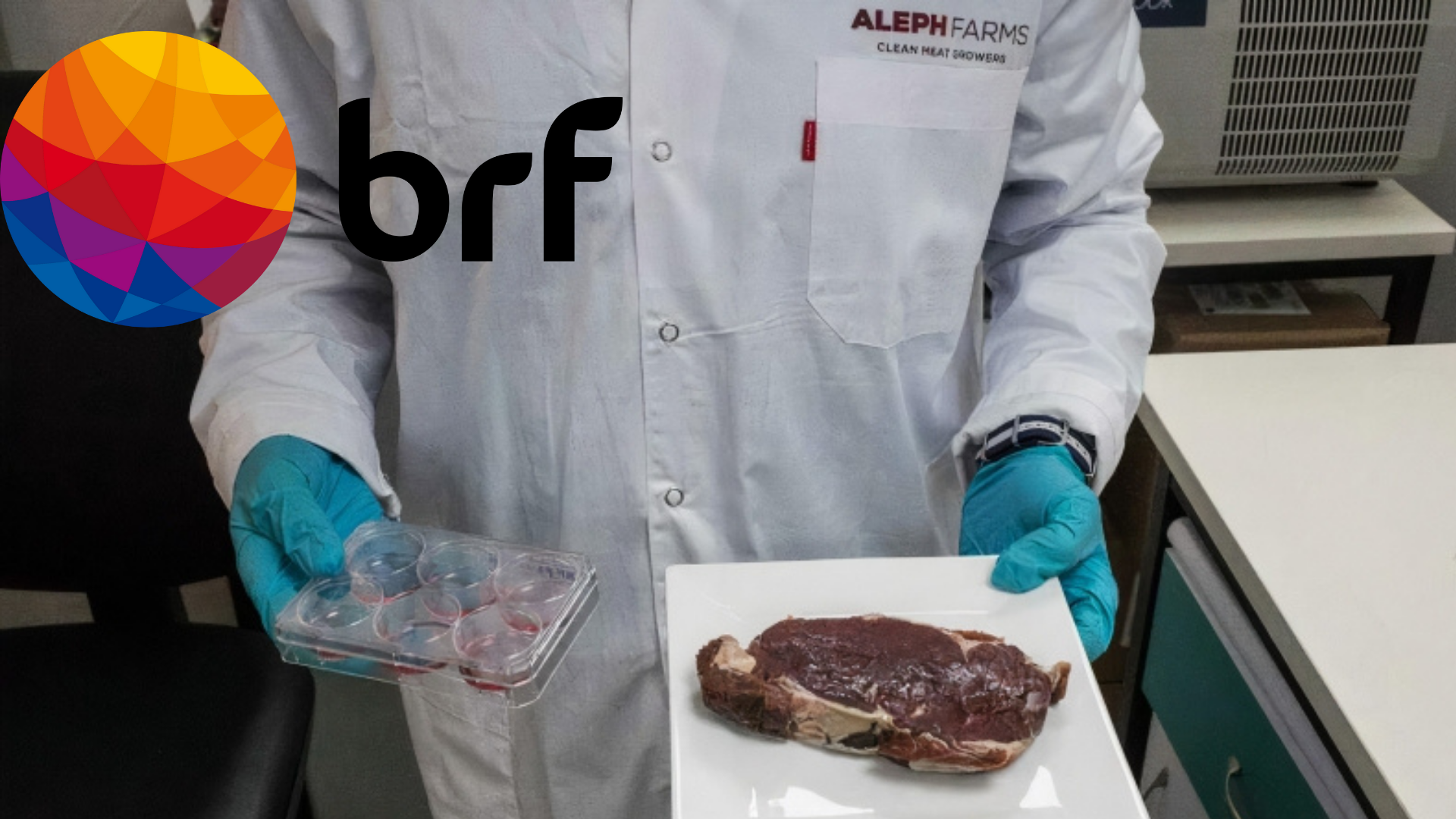

BRF Invested in Israeli Startup Aleph Farms to Have Great Innovation and Technology to Meet New Consumer Habits
Yesterday, BRF announced that it is the only Brazilian food company participating in the second international investment round of Aleph Farms, an Israeli startup and one of the leading global players in cultivated meat, developed from non-genetically modified bovine cells. BRF made investments of US$ 2.5 million in this operation, joining other corporations and individuals, since the goal is to develop protein in the lab from animal cells. Check out: BRF will invest R$ 670 million in two factories in Mato Grosso, aiming to expand production capacity
- Amid Water Crisis, Solar and Wind Energy Generation Break Records in the Northeast
- Australian Mining Company Invests US$ 6 Billion to Build Green Hydrogen Plant in Ceará
- GM Plans to Extract Lithium Independently for Use in Its Electric Car Batteries
- Repsol Sinopec Brasil Invests in Using Robots for FPSO Tank Maintenance
- South Korean Automaker Hyundai Completely Halts Vehicle Production at Piracicaba Plant in São Paulo
New Objectives of BRF in Investing in the Israeli Startup
With this move, BRF states that it is taking another step in its plan to meet the growing consumer demand for new and alternative sources of protein, bringing innovative technologies to Brazil. Unlike other partnerships and acquisitions, this is the first time the company has made a venture capital transaction.
Lorival Luz, Global CEO of BRF, states that “We understand our role in this transformation of the food industry, and that is why we are investing in Aleph Farms, a company that shares our goal of providing quality food, made with disruptive technology, to all people. Innovation is in BRF’s DNA, and we know how to reinvent ourselves to bring solutions to feed the future.”
-
Flamengo Star Invests in Brazilian Coastal Luxury Real Estate as Itapema Surpasses Balneário Camboriú in High-End Market Growth

-
Brazil to Issue “Panda Bonds” in China, Aiming to Raise Up to 5 Billion Yuan at Lower Interest Rates Than Dollar Debt
-
NATO Faces Internal Tensions as U.S. Pushes for Increased Defense Spending, Targeting 5% of GDP by 2035, with Warnings for Countries Near 2% Level

-
Brazil to Introduce B16 Diesel with Increased Soybean Oil Content for Trucks by 2026


BRF Growth Strategy
In a statement issued by BRF, the investments are also part of an important milestone for BRF towards the growth strategy presented in Vision 2030, a strategic plan that will lead the company to achieve revenue exceeding R$ 100 billion in the next decade, establishing itself as one of the leaders in the global food sector.
In March of this year, BRF had already announced a partnership with Aleph Farms when it became the first Brazilian company to advance its portfolio with products made from cultivated animal cells. The novelty arose with the development of biotechnology in food production, bringing benefits to the production chain and advantages for the environment, in addition to catering to diverse consumer profiles.
Marcel Sacco, Vice President of New Business at BRF, states that it is a rapidly expanding market, and they aim to lead this transformation in how proteins are consumed. According to him, they believe that this investment and the strategic partnership with Aleph Farms represent the future of the relationship with the food industry and help to empower startups that are at the forefront of the transformation.
Details About “Cultivated Meat”
All meat is composed of cells, even the smallest living beings in nature. The production of cultivated meat begins with the collection of high-quality cells from animals, but without slaughter. The cells are cultivated outside the animal’s body with the supply of nutrients and a suitable environment for their development. The automated process and sterile environment eliminate the need for antibiotics and significantly reduce the risk of pathogens or contaminants. This entire process takes a fraction of the time required to cultivate conventional meat with a fraction of the resources it demands.