Portuguese
  Spanish


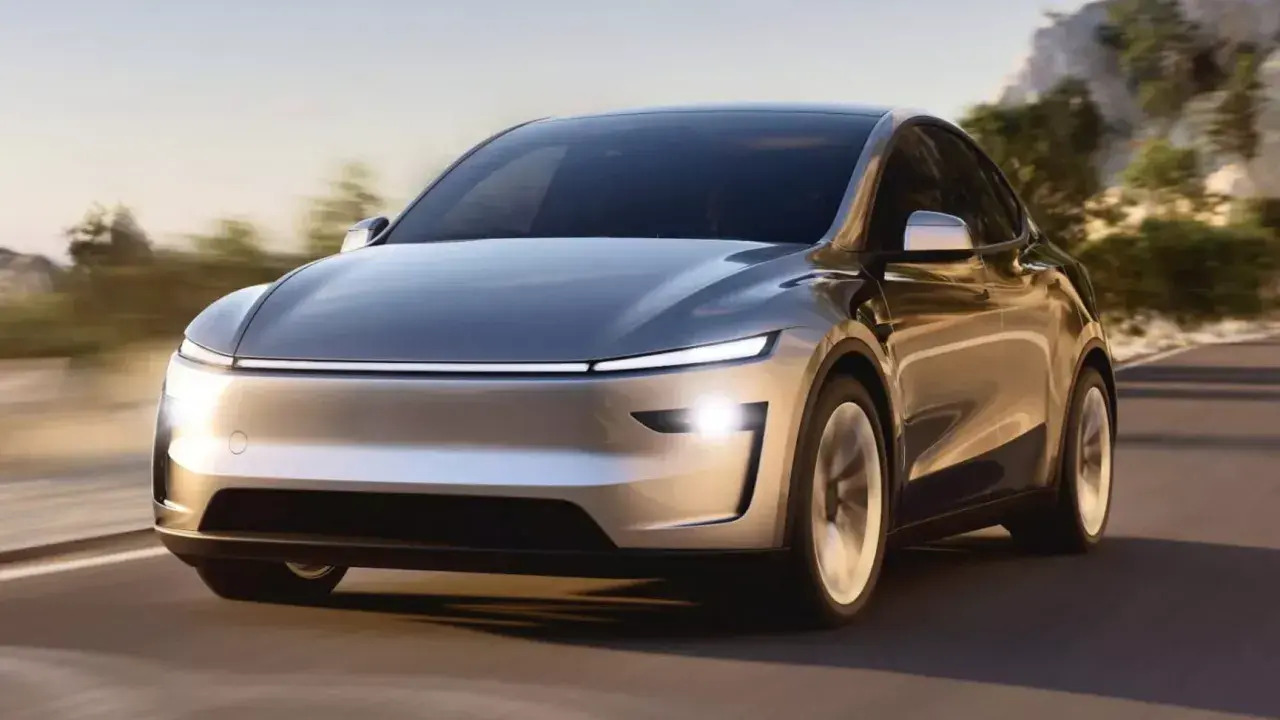

Tesla Leads Global Electric Mobility Ranking; BYD Loses Points for Efficiency and European Manufacturers Fall in Overall Ranking
The International Council on Clean Transportation (ICCT) has released a report evaluating the performance of 21 major manufacturers in the advancement of electric mobility in 2024. The study considered data from six major markets: China, Europe, the United States, India, Japan, and South Korea. The ranking takes into account criteria such as energy efficiency, vehicle range, zero-emission targets, and variety of models available.
Among the highlights, Tesla ranked first, even though the Chinese company BYD surpassed the American firm in sales volume.
Tesla in First, BYD in Second
Tesla achieved the maximum score of 100 points. BYD scored 75 points and lost positions due to lower efficiency and range of its vehicles, according to the ICCT.
-
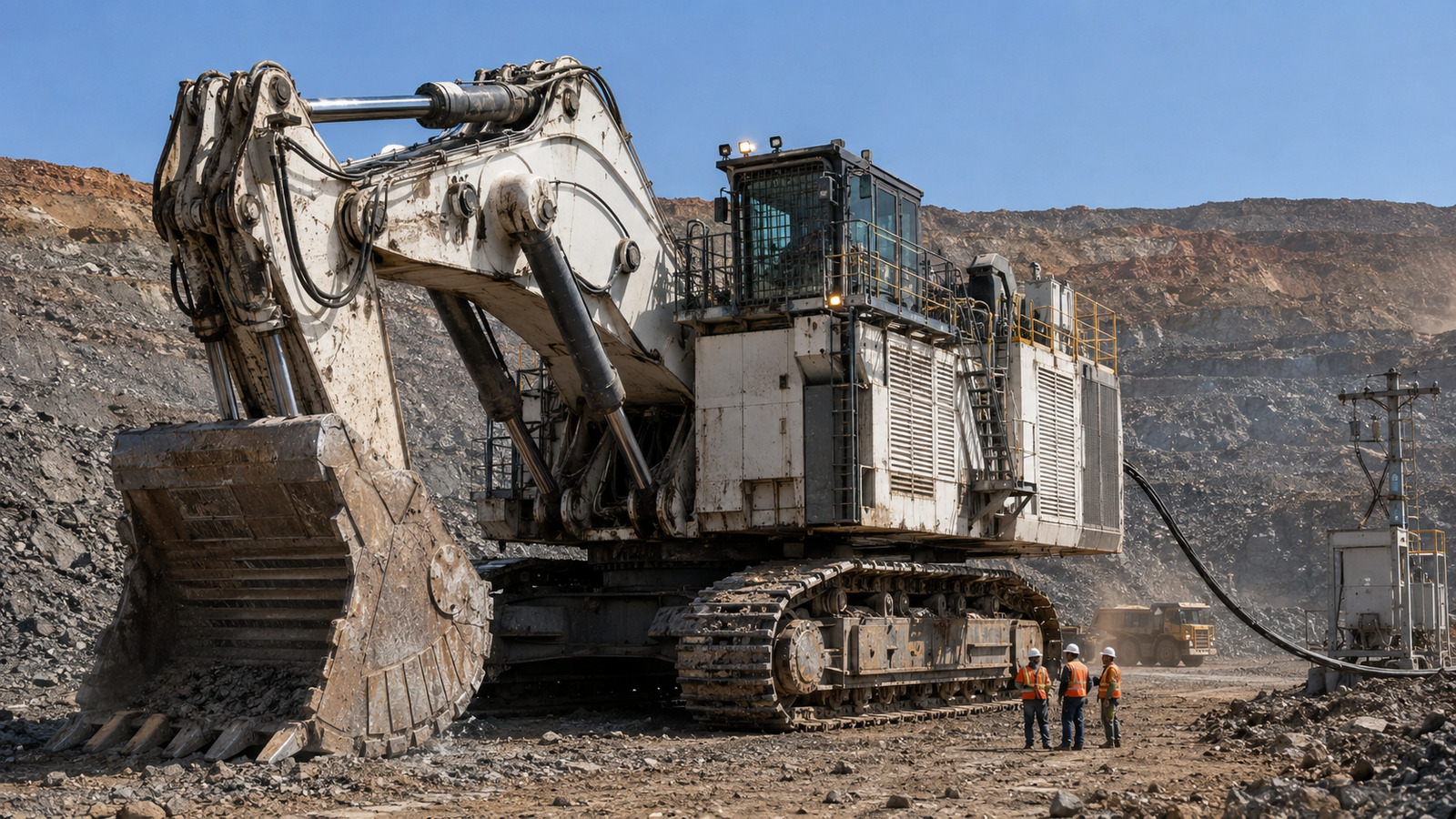
Unprecedented achievement in India: a colossal 650-ton, nearly 3,000 hp excavator is transformed into 100% electric, marking a new phase in heavy mining.

-
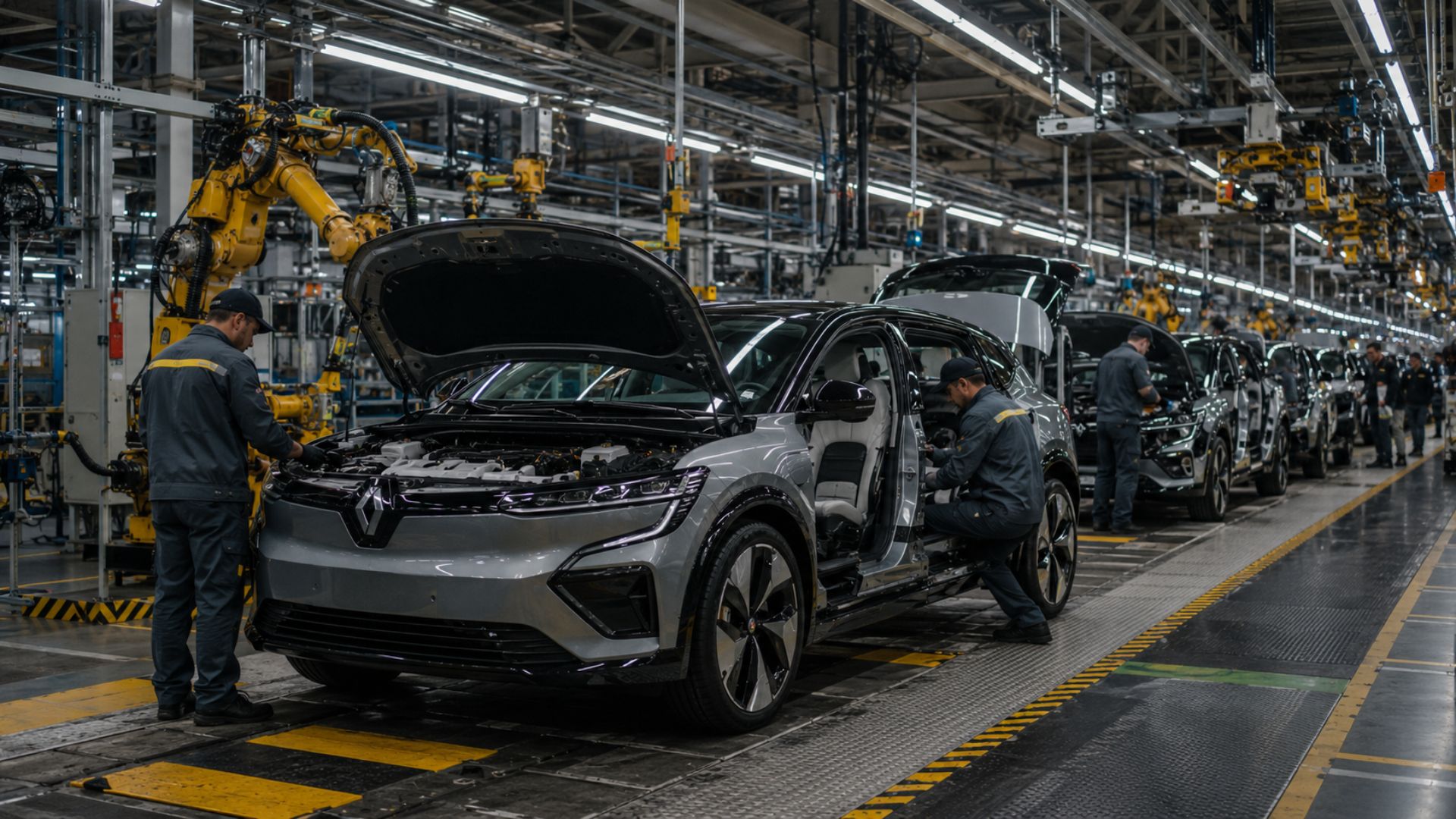
Frightened by the speed of Chinese manufacturers, Renault decided to mimic the pace, made the new electric Twingo in just 21 months, wants to repeat the feat with 36 models by 2030, and along the way, will cut up to 2,400 engineering positions.

-
Chinese battery from Dongfeng promises to exceed 1,000 km without relying on liquid electrolyte, and the detail behind the technology could change the electric car competition.

-
The end of the automotive combustion era has already begun, but many in Brazil have not yet realized the magnitude of the shift towards Chinese electric cars.
Other Chinese manufacturers, such as SAIC, Geely, and Changan, also improved their rankings. In contrast, European brands like Mercedes-Benz, Renault, and Volkswagen fell in the overall classification.
Honda and GM Show Advancements
Among traditional manufacturers, some stood out positively. Honda launched the Prologue, its first electric model in the United States, with good energy efficiency results.
Nissan has revised its goal so that 40% of its global sales are zero-emission vehicles by 2030.
General Motors also performed well in the evaluation, although the report did not detail the brand’s score.
Challenges in the Sector
Despite advancements, the ICCT points out that the electric mobility sector still faces significant hurdles.
Key challenges include strong competition among manufacturers, the price war in China, and declining investments.
These factors could negatively impact the pace of the transition to electric vehicles globally, according to the agency.
Sales on the Rise
In another survey, consultancy Rho Motion indicated that global electric vehicle sales continued to grow in 2025.
This trend reinforces the central role of electrification in the future of the automotive industry.
With information from Olhar Digital.