Portuguese
  Spanish


Created by three Indian teenagers, Plas-Stick uses tamarind seed residues to cluster microplastics in water and won the Asian stage of The Earth Prize 2026, with a collective prize of US$ 12,500
Three teenagers from India won the Asian stage of The Earth Prize 2026 by creating Plas-Stick, a biodegradable powder made from tamarind seeds that helps remove microplastics from water. Vivaan Chhawchharia, Ariana Agarwal, and Avyana Mehta, all 16 years old, received US$ 12,500 to continue the project.
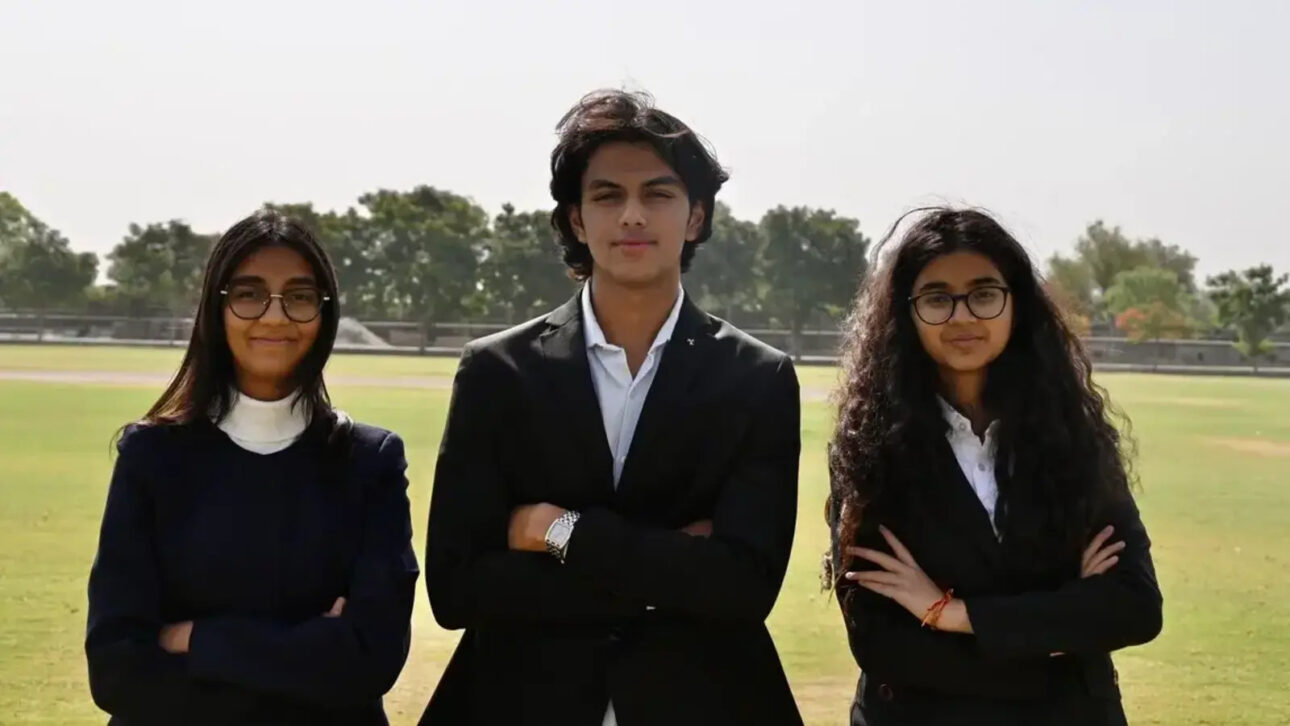
Plas-Stick uses tamarind residues to cluster microplastics
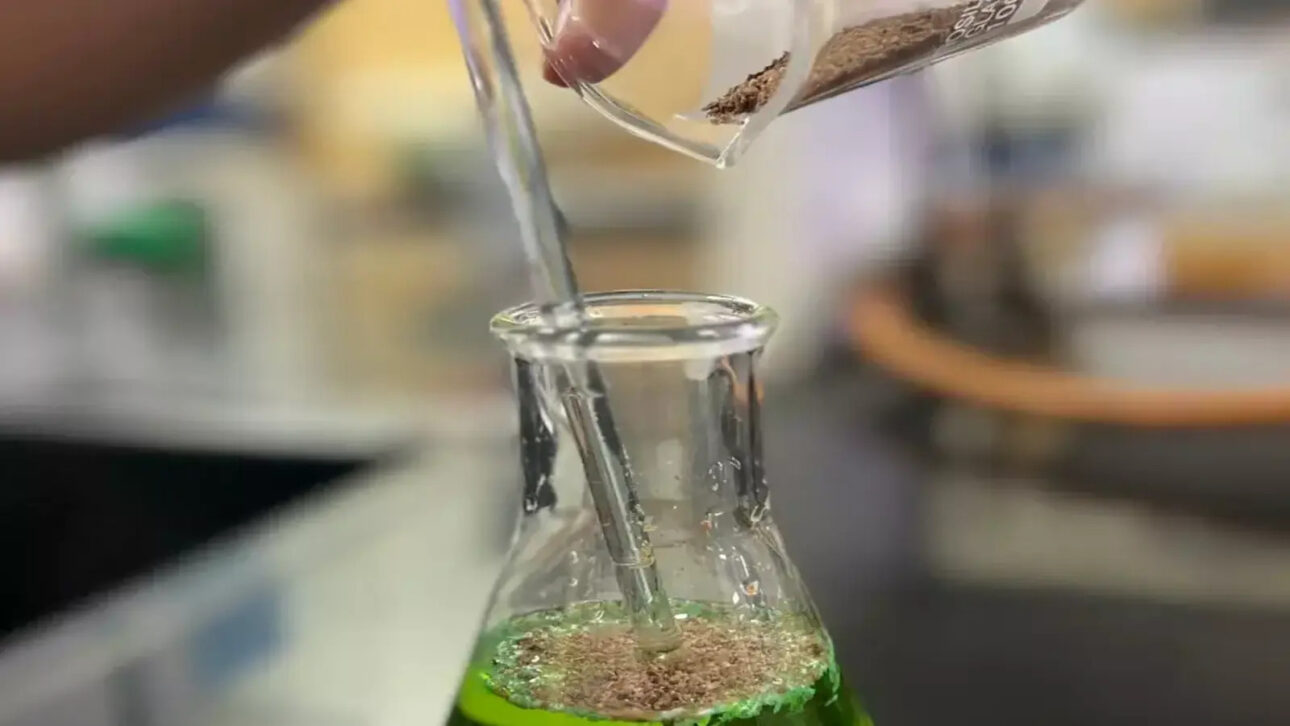
The solution created by the students is a biodegradable powder produced mainly from tamarind seed residues.
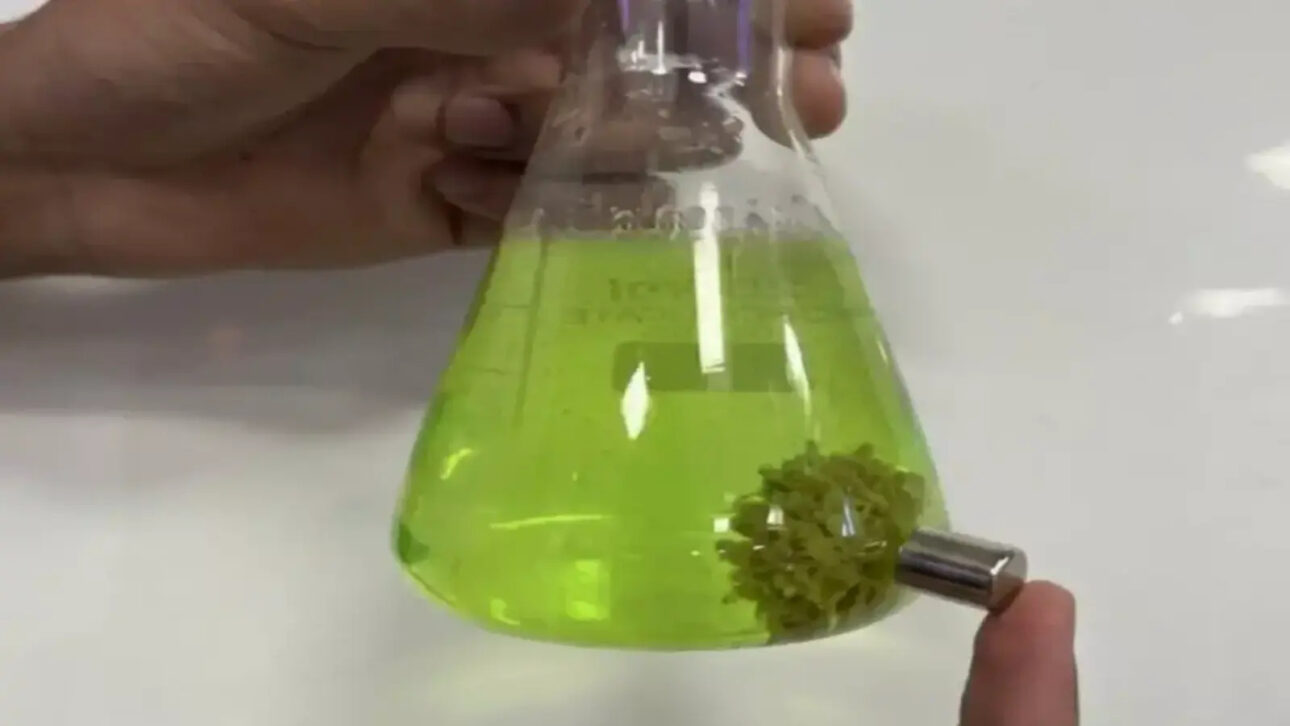
According to the team, when added to contaminated water, the material attracts microplastic particles and causes them to cluster.
-
OnePlus N6 Smartphone to Launch in India with 8,000mAh Battery and 45W SuperVOOC Charging, Lasting Up to Three Days

-
Scientists Plan to Release Air Bubbles Underwater to Protect Antarctica’s “Doomsday Glacier” from Melting

-
Chinese R6000 Drone Combines Airplane and Helicopter Features, Carries Up to 12 People for Multiple Missions
-
In the World’s Most Densely Populated Desert, Families Dig Funnel-Shaped Underground Cisterns to Capture Rare Rainfall and Store Drinking Water for Up to Eight Months


After this process, the larger clusters can be removed using a portable magnet. The proposal was designed as a simple, low-cost, and accessible alternative for places where advanced filtration systems are not available.
The project was born after the teenagers visited rural communities where families stored drinking water in large shared containers.
During one of these visits, the image of a child drinking water from one of these containers caught the group’s attention to the daily exposure to microplastics.
From this observation, the students began to seek a solution that did not rely on electricity, complex infrastructure, or synthetic products. The use of tamarind residues also gave the project a local and biodegradable foundation.
Why microplastic contamination is concerning
Microplastics are very small fragments of plastic, usually less than five millimeters. They arise from the decomposition of larger plastics, synthetic fabrics, industrial waste, and packaging.
Recent scientific studies cited in the material have identified microplastics in drinking water, seafood, human blood, lungs, placentas, and even brain tissue. The long-term health effects are still under study.
Concern increases in regions where access to treated water is limited. Globally, more than 2.2 billion people still lack safely managed drinking water infrastructure, which increases reliance on stored water.
In this scenario, Plas-Stick draws attention for trying to tackle an invisible problem with simple materials.
The proposal does not replace the need for large-scale scientific validation but shows an approach aimed at resource-poor communities.
Prize recognizes young innovators aged 13 to 19
The Earth Prize is presented by the organizers as the largest environmental competition and idea incubator for teenagers aged 13 to 19.
The initiative was created by The Earth Foundation, in Geneva, Switzerland, during the School Strike for Climate movement in 2019.
In its fifth edition, the prize reports having reached more than 21,000 students in 169 countries and territories.
The program offers mentorship, educational resources, funding opportunities, and international exposure for youth-led sustainability projects.
As regional winners from Asia, Vivaan Chhawchharia, Ariana Agarwal, and Avyana Mehta received $12,500 to develop the Plas-Stick.
The competition announces seven regional winners in areas such as Asia, Africa, Europe, the Middle East, and North America.
Viral posts on social media incorrectly claimed that each student would have received $125,000. Official announcements from The Earth Prize confirm that the amount awarded was a collective regional prize of $12,500.
Project still needs testing before commercial use
The Plas-Stick is still in the development phase and has not undergone independent large-scale scientific validation.
Before any potential commercial application, further tests of efficiency, safety, scalability, water quality standards, and regulatory approval would be necessary.
Even at this initial stage, the project has already reached over 8,000 students and teachers through awareness and demonstration programs, according to the team. The adolescents also collaborated with professionals from the Indian Institute of Technology Guwahati.
The plan informed by the group is to expand the project through decentralized production centers and extend access to rural communities in India.
The proposal combines agricultural waste reuse, low cost, and an attempt at a practical response to microplastic contamination in water.
This article was prepared based on information from the material provided about Plas-Stick and The Earth Prize 2026, with data, numbers, and statements preserved as per the consulted material.