Portuguese
  Spanish


India has completed the initial tests of Project Kusha, its own long-range air defense shield, capable of detecting and shooting down planes, drones, and missiles hundreds of kilometers away, no longer relying on technology from Russia or the United States.
Having a protected sky has become a matter of survival for countries, and few technologies are as coveted as large long-range air defense systems. India, surrounded by tense neighbors, decided it no longer wanted to depend on buying these shields from abroad and went on to build its own. The result is Project Kusha.
The DRDO, the Indian defense agency, along with Bharat Electronics, has completed the initial development tests of the system, compared to the feared Russian S-400. Project Kusha is capable of detecting and shooting down planes, drones, and missiles hundreds of kilometers away, forming a protective umbrella over vast areas. There are even plans for a naval version to equip the country’s future warships.
An umbrella over the sky
The idea of a long-range air defense system is to create a kind of invisible dome over a region. Powerful radars watch the sky for threats, and when something dangerous appears, interceptor missiles are launched to shoot it down before it reaches the target. The greater the range, the larger the protected area, and that’s exactly what Project Kusha aims for, covering hundreds of kilometers.
-
France doubled the firepower of the new frigates and increased the missiles from 16 to 32 tubes ready to fire.

-
Spain sent its most advanced frigate to Cyprus and set up an anti-missile shield in the Mediterranean with an eye on Iran.
-
India places 52 spy satellites in orbit for R$ 16 billion to monitor every meter of its own borders.
-
Poland took control of its own constellation of radar satellites in less than a year and now sees through clouds and darkness.


I confess it’s impressive to think about the complexity of detecting a plane or missile so far away and hitting it in the air. It requires radars capable of seeing at great distances, computers that calculate trajectories in fractions of a second, and missiles fast and precise enough to reach the target. All of this needs to work in perfect sync, and mastering this technology places India in a select club of countries.
India’s quest for military independence
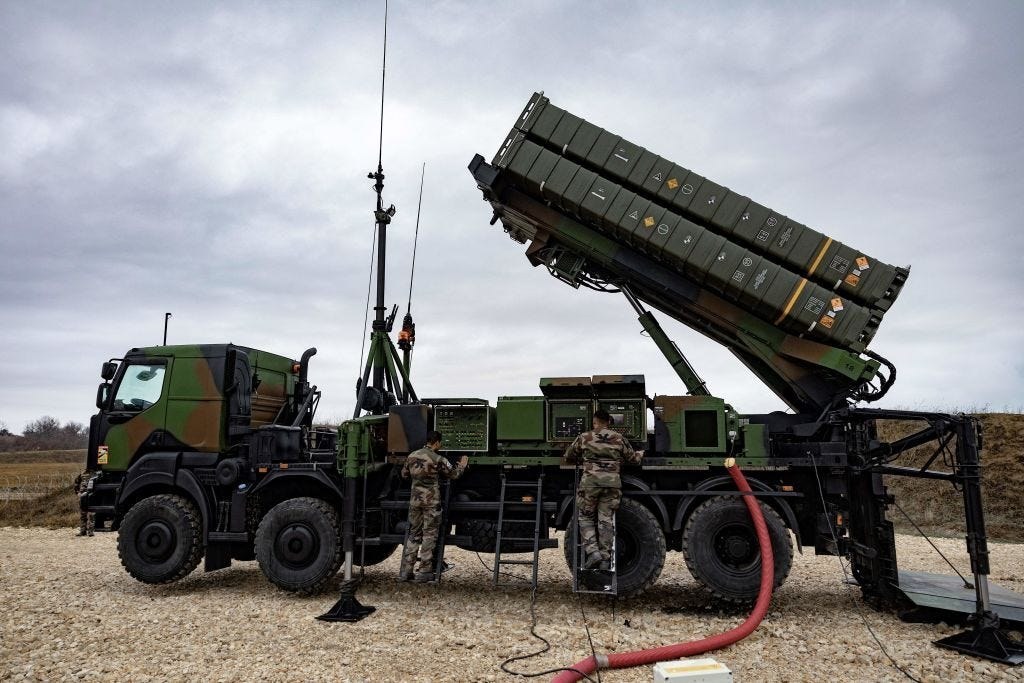
For decades, India was one of the world’s largest arms buyers, relying mainly on Russia, but also on the United States, Israel, and Europe. This dependence has a high cost and a strategic risk because it leaves the country vulnerable to the decisions and prices of foreign suppliers. Developing a system like Project Kusha at home is an important step to reduce this fragility.
The system is part of a larger effort by DRDO to make India self-sufficient in defense, manufacturing everything from missiles and tanks to complex systems like this air shield within the country. Besides reducing dependence, this strengthens the national industry, creates skilled jobs, and gives the country the potential to even export weapons in the future, turning defense into a source of economic and technological power.
Comparing Project Kusha to the Russian S-400 helps understand the scale of India’s ambition. The S-400 is considered one of the most feared air defense systems in the world, capable of covering vast areas and sought after by several nations. India itself even bought units from Russia, which caused friction with the United States. Having its own system with similar capabilities means no longer depending on such delicate purchases, which always come with political pressures and the risk of sanctions. It’s the difference between borrowing protection and building your own, with all the strategic advantages that brings to a country that wants to be treated as a true power.
A neighborhood that demands protection
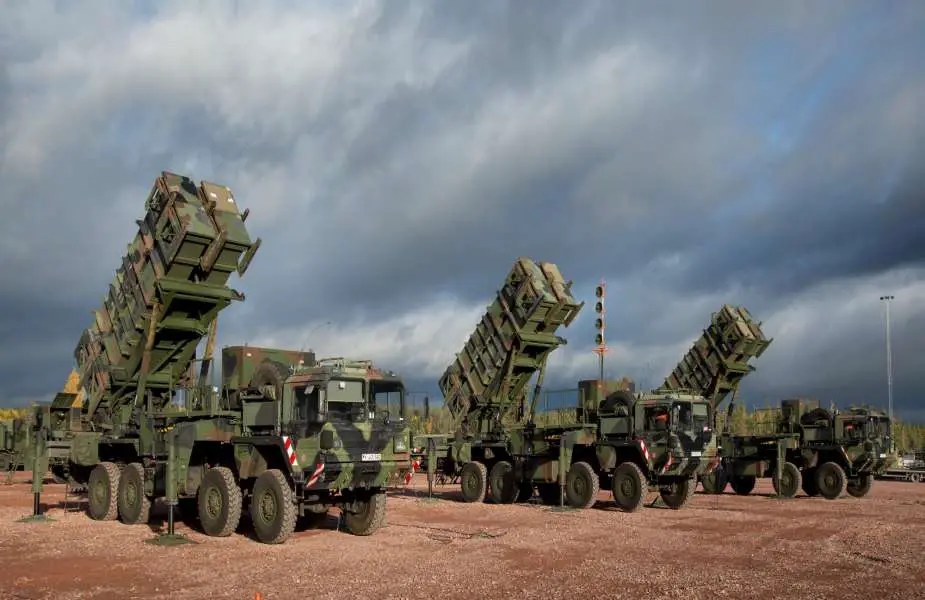
India’s rush to have its own air shield is not by chance. The country lives with long-standing tensions with powerful neighbors and the presence of advanced weapons in the region. In such a scenario, having a robust defense capable of protecting cities, bases, and critical infrastructure against air attacks is a strategic necessity, not a luxury. A long-range system gives the country a valuable safety margin.
That’s why Project Kusha carries so much weight. It’s not just another military equipment, but a central piece in the defense strategy of one of Asia’s largest powers. Completing the initial tests is a milestone that shows that India is getting closer to having, made at home, one of the most advanced air defense systems a country can possess.
India building its own shield
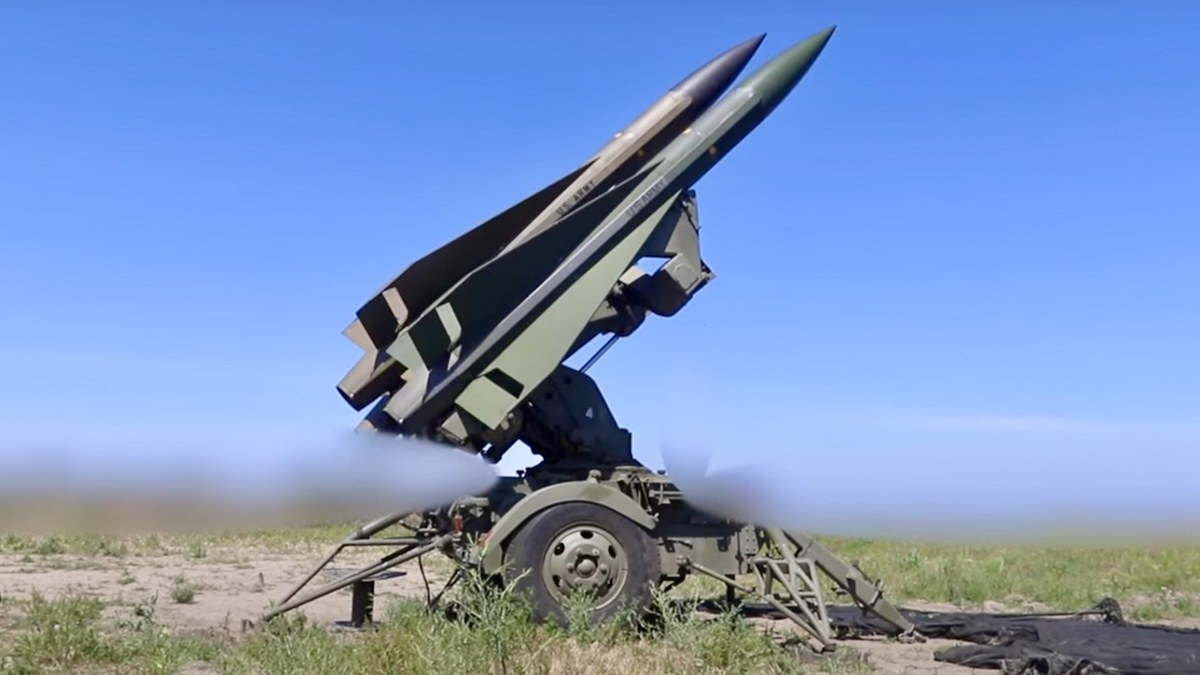
I imagine the pride of Indian engineers seeing a system work that, for a long time, was only within the reach of a few superpowers. Building an air shield capable of protecting hundreds of kilometers is the kind of achievement that places a country on a new technological and military level, and changes how it is viewed in the world.
Project Kusha is proof that India has moved from wanting to just buy security to producing it. If development goes as planned, the country will have in its hands its own shield for its sky, less dependent on foreign suppliers and more in control of its own destiny. In an era of tensions and increasingly sophisticated weapons, having the key to its own defense is perhaps one of the greatest achievements a nation can pursue, and India shows it is willing to pay the price and effort to achieve it.
Do you think it’s important for a country to produce its own defense system at home instead of relying on buying it from abroad?