Portuguese
  Spanish


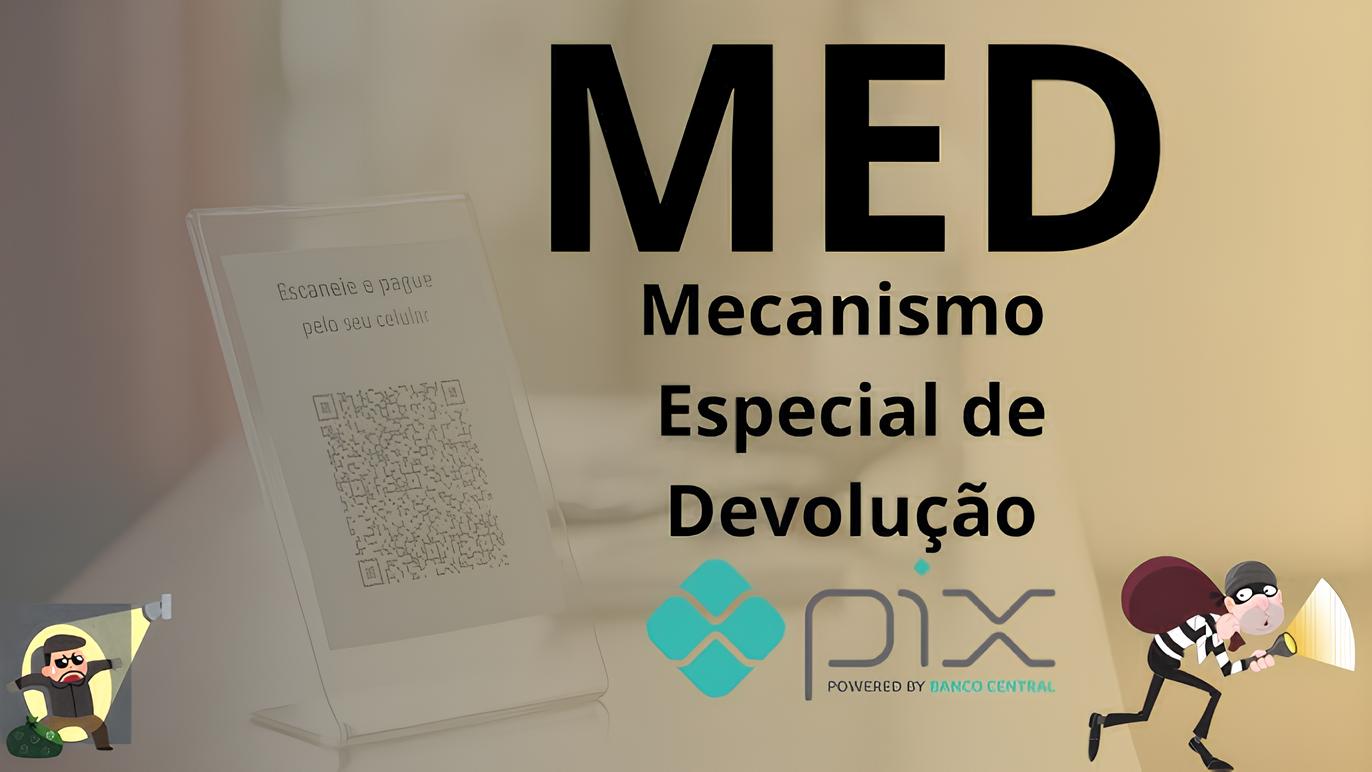

Learn How MED – The Central Bank’s Refund System – Can Help Victims of Frauds or Failures in Transfers via Pix. See Deadlines, Rules, and When It Is Possible to Recover Money After a Wrong Pix Transfer
The MED (Special Refund Mechanism) is a tool created by the Central Bank to increase security in transactions made via Pix. In effect since November 2021, the system aims to allow the blocking and possible refund of amounts in cases of fraud or operational failures.
In other words, if you have been a victim of a scam or there was a technical error during a transfer, the MED can be triggered to try to recover the money. The resource is mandatory for all financial institutions that offer Pix and follows rules and deadlines defined by the Central Bank itself. The system emerged as a response to the increase in scams involving instant transfers and has helped, albeit with limitations, to protect users.
In Which Cases Can the MED Be Used

The MED can be used primarily in two contexts:
-
In Andradina, in the interior of SP, a tannery transformed tilapia skin that slaughterhouses used to throw away into exotic leather for bags, shoes, and even wedding dresses, producing about 2,000 pieces per month and exporting to seven countries, proving that fish waste has become high-value fashion.

-
The industrial waste that even recyclers didn’t want has gained value in the interior of Bahia: two entrepreneurs invested R$ 2.8 million to transform 350 tons per year of foam, rubber, and plastic into boards that can replace wood and MDF.

-
What is a red flashlight used for, after all? See why it is so commonly used at night.

-
He has never read a line of code, but he already knows how to work: the French company UMA presented in Paris the Northstar, its first AI-powered humanoid robot designed for factories and warehouses, capable of copying tasks just by observing an employee in action.




When There Is Fraud or Scam, For Example:
- Social engineering (emotional fraud, express kidnapping, or extortion via messaging apps);
- Adulterated QR Code;
- Impersonation of profiles on social networks;
- Fake links.
In Operational Errors, Such As:
- Duplicate payments due to bank system failures;
- Technical failures that cause improper postings.
It is important to highlight that the MED does not apply in cases of human error, such as typing the wrong Pix key or sending to the wrong contact. In these cases, the refund depends exclusively on the goodwill of the person who received the amount.
How Does the MED Work in Practice?
The MED must be triggered directly at the bank or financial institution where the wrong or fraudulent Pix transfer was made. The request can be made through the app, internet banking, or customer service channels.
The step-by-step is as follows:
- Upon realizing the scam or error, the customer must request the opening of the refund process immediately.
- The bank sends the request to the receiving bank, which can immediately block the amounts in the suspicious account, if still available.
- After that, the analysis process begins, which can take up to 7 business days.
- If fraud or failure is confirmed, the money is refunded within 96 hours.
- If the amount has already been withdrawn or transferred, the receiver’s account remains under observation for up to 90 days, awaiting new credits that may be withheld for later refund.
Deadline to Trigger the Pix Refund System
The request to activate the MED must be made within 80 calendar days after the Pix transfer. After this period, the system no longer allows the request, even in cases of proven scams.
Therefore, user agility is essential. The sooner the bank is notified, the greater the chances of blocking the amount before it is moved by the scammer.
Effectiveness and Statistics of the MED
Despite being an important tool, the MED still faces challenges in terms of effectiveness. According to data released by the Central Bank and Febraban:
- Only about 9% of refund requests via MED are successfully completed.
- The majority of cases are rendered impossible due to the absence of funds in the recipient’s account or the account being closed before the analysis.
- A survey by security company Silverguard indicates that 89% of cases do not result in the recovery of funds for these reasons.
These numbers show that, although the system exists and works, recovering money is not guaranteed. The speed of triggering is the most determining factor for the success of the process.
What Changes with MED 2.0
In development since 2024, the so-called MED 2.0 promises to expand the capabilities of the current system. The idea is to include new layers of protection, allowing blocking in chains of transactions involving multiple accounts — a common practice among scammers who quickly spread the received amount across various accounts.
The new version of the system is being developed by the Central Bank in partnership with Febraban (Brazilian Federation of Banks) and is expected to be launched between late 2025 and early 2026.
The expectation is that MED 2.0 will increase the effectiveness of recovering amounts in cases of scams, as today many criminals manage to circumvent the current system with quick movements and multiple accounts.
What to Do in Case of a Wrong Pix Transfer
Since the MED does not cover all types of errors, it is essential to know how to act if you accidentally sent money to the wrong person:
- Contact the recipient and politely ask for the refund of the amount.
- Keep transaction receipts.
- If the recipient refuses to refund, you can file a police report and seek justice.
Some banks already offer tools that facilitate this process, such as refund request buttons within the app itself. However, the return of the amount is not mandatory by law in these cases.
Therefore, paying full attention before confirming any transfer is the best way to protect yourself.
Security Tips to Avoid Pix Scams
The best way to avoid relying on the MED is to prevent scam situations. Here are some essential recommendations:
- Verify the details before confirming any transfer.
- Be suspicious of messages with a sense of urgency or emotional appeals.
- Do not share sensitive information, such as passwords or security tokens.
- Be careful when scanning QR Codes in public settings or those shared via social networks.
- Use two-factor authentication (2FA) in the bank app and messaging apps.
These simple actions help significantly reduce the risk of falling for digital fraud.
Why is the MED Relevant for the Average User?
Even with its limitations, the MED represents an important advancement in protecting Brazilian consumers who use the Pix system daily. With the exponential growth of Pix in Brazil — which has already surpassed 160 million registered users by early 2025 — the concern for security and trust in transactions is ever greater.
The system is still evolving, but it offers a formal and institutionalized way to attempt to recover lost money in cases of scams or technical errors.
With the arrival of MED 2.0, it is expected that this path will become more effective and comprehensive. For the average user, understanding how the MED works is a way to protect themselves and act quickly if something goes wrong.