






 Portuguese
  Spanish
  3 min of reading
  0 comments


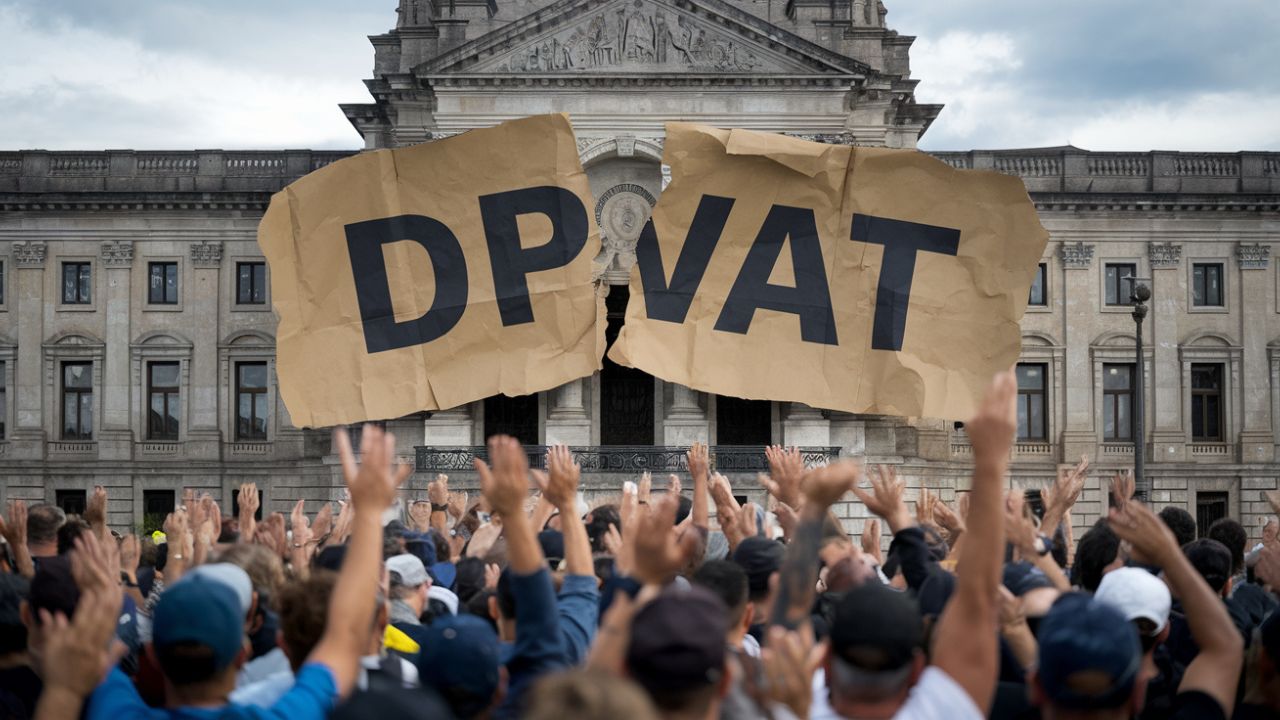
Mandatory Insurance, Formerly DPVAT, That Would Cost Between R$ 50 and R$ 60, Has Been Canceled After Pressure from 6 Governors and Intense Debates in the Chamber; Proposal Still Depends on Senate Approval.
The Chamber of Deputies decided last Wednesday (18) to reject the reinstatement of the DPVAT fee, which had been proposed to take effect from 2025 under the name of SPVAT. The measure, which would be a return of mandatory insurance for vehicles, was revoked as part of a complementary law aimed at cutting expenses. But what does this mean in practice? Let’s understand!
What Is DPVAT and Its Function?
Created to Protect Victims of Accidents on the road, DPVAT functioned as a sort of “safety net” for drivers and pedestrians. It covered medical expenses, disability compensation, and even funeral services. For years, the insurance was a key component in supporting victims, especially those treated by SUS.
DPVAT was established as a way to alleviate the costs of the public health system, ensuring that accident victims had immediate financial support. Abolished during Jair Bolsonaro’s government, the insurance left a vacuum in the social protection system.
-
The urgent need to implement a severe cut in public spending and a massive increase in taxes, in addition to drastically compromising the quality of basic services and the purchasing power of the population, could result in social unrest in the country, with the population leading protests, strikes, and frequent disturbances.

-
FIRJAN’s mega plan of R$ 526.3 billion for Rio de Janeiro aims to revive Brazil’s largest industry, with two-thirds of the investments going to oil and gas.

-
China signals an increase in beef imports, Brazil has already consumed 70% of the 1.106 million ton quota and seeks to renegotiate the tariff that jumps from 12% to 55%, while demand from the US also skyrockets.
-
Food inflation rose 302% in 20 years in Brazil, but the supermarket changed: purchasing power yielded 87% more mortadella and 31% less fruit, and ultra-processed foods took over the cart.




Even with criticisms of the collection model, DPVAT benefited millions of Brazilians. According to experts, its absence has overloaded SUS and left many victims vulnerable.
The New Proposal for SPVAT

In May 2024, a new law attempted to revive DPVAT, now rebranded as SPVAT (Mandatory Insurance for Protection of Traffic Accident Victims). But what exactly were the proposed changes?
In addition to traditional services, such as coverage of medical expenses, SPVAT included professional rehabilitation and funeral assistance. These innovations would make the insurance more comprehensive, although details about costs and rules were still being defined.
The Ministry of Finance estimated that the cost for drivers would be between R$ 50 and R$ 60, an amount considered affordable for most. However, the proposal faced resistance from governors and economic sectors.
Motivations for the Revocation
So why did the Chamber decide to revoke the proposal? The answer lies in political pressures and the search for fiscal balance.
Governors such as Tarcísio de Freitas (SP) and Romeu Zema (MG) argued that reinstating SPVAT (the new DPVAT model) would not be effective without detailed planning. They emphasized the need to avoid additional taxes for citizens.
The revocation was part of a package of measures to reduce expenses. According to Deputy José Guimarães (PT-CE), leader of the government in the Chamber, the funds generated by the insurance were not being clearly directed, raising doubts about its viability.
Reactions and Next Steps
The Chamber’s decision generated mixed reactions, with experts debating the impacts of this revocation.
While some parliamentarians celebrated the revocation as a fiscal relief, others warned of the risks of leaving traffic accident victims unsupported. The debate promises to heat up in the Senate, where the project still needs to be voted on.
If the Senate approves the Chamber’s decision and the president sanctions the measure, SPVAT will be definitively canceled. Otherwise, new discussions may arise to adjust the model.
The chamber’s rejection of the DPVAT fee rekindled the debate on how to protect victims of traffic accidents without burdening drivers. With the fate of SPVAT still in the Senate’s hands, the issue promises new developments.





-

1 person reacted to this.