






 Portuguese
  Spanish
  5 min of reading
  0 comments


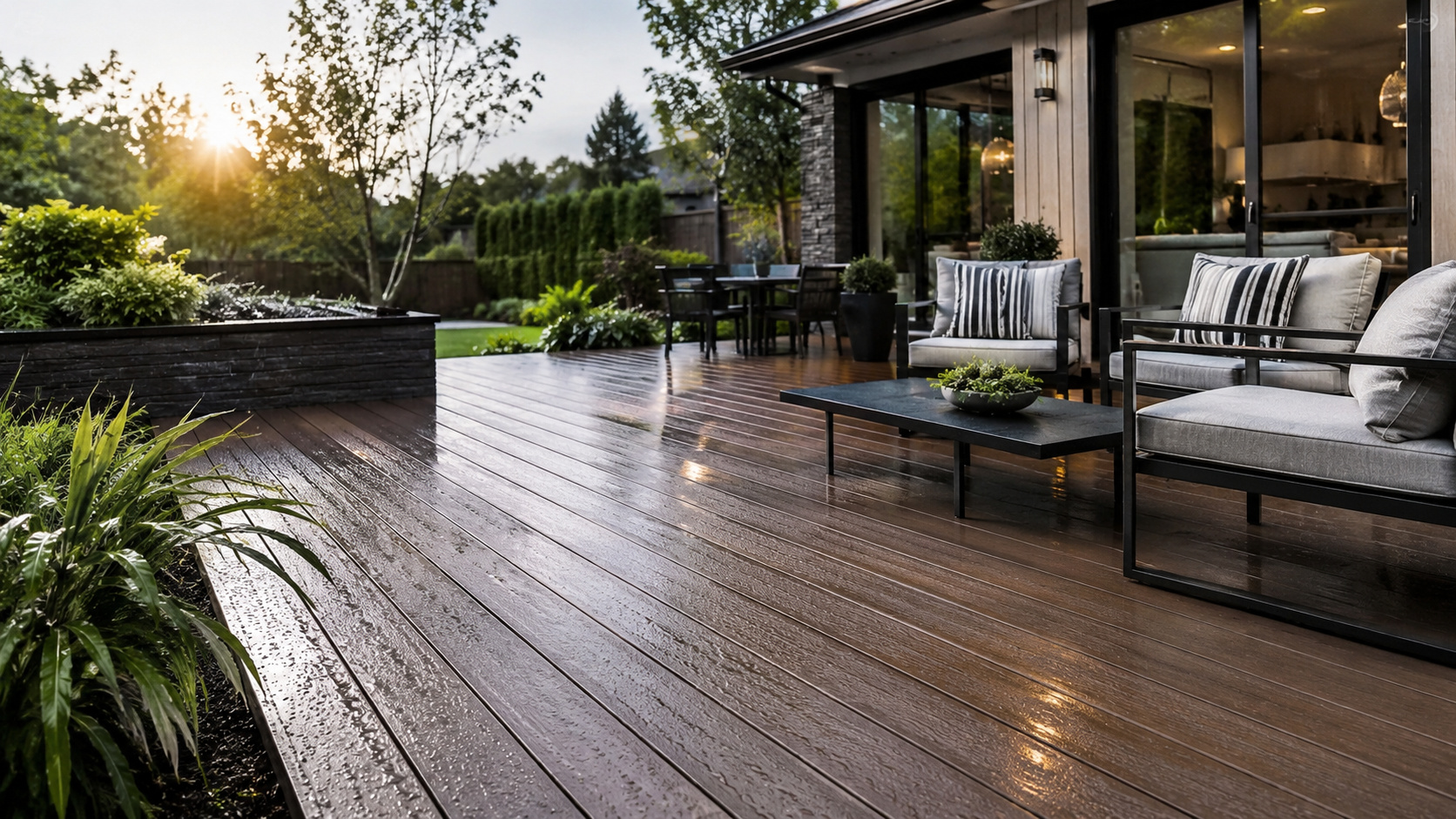
Composite deck made with recycled plastic and reused sawdust gains ground by requiring less maintenance and better resisting moisture.
For decades, wooden decks have dominated gardens, balconies, gourmet areas, and spaces around pools because of their natural look and tradition in residential projects. The problem is that continuous exposure to sun, rain, moisture, and temperature variations tends to accelerate wear, require frequent cleaning, and push the owner into a repetitive cycle of sanding, sealing, painting, or reapplying protective products.
It is precisely at this point that the composite deck has been gaining strength. Produced from a combination of recycled plastic with reused wood fibers, the material has been marketed as a lower-maintenance and more resistant alternative for outdoor areas, especially for those who want to reduce work over the years without giving up a finish that resembles wood.
Composite deck mixes recycled plastic and sawdust to replace part of traditional wood
In the case of Trex, one of the best-known manufacturers in the sector, the decks are produced with up to 95% recycled plastic and reused sawdust. The company states that the material uses recycled plastic film and recovered sawdust, in a proposal that combines environmental appeal and performance for outdoor use.
-
Forget the mansions: the Casa de Mainha, a low-cost renovation in the Agreste of Pernambuco with natural ventilation, won the world’s largest architecture award with over 120,000 votes.

-
Couple trades four-bedroom house in Canada for a retired school bus costing less than $7.5k bought on Facebook, dismantles the vehicle down to the screws, and transforms the yellow scrap into a luxury home on wheels, with a bedroom, bathroom, kitchen, and handmade skylight.

-
Tired of seeing residents sleeping on the streets, a U.S. city approved a village with 55 micro-houses, rent starting at $300, and an 1880 school transformed into a community center to accommodate people without requiring a minimum income.
-
Mato Grosso inaugurates the first 162 km stretch of the largest railway project underway in Brazil, with around R$ 5 billion invested to transport 10 million tons of grains per year to the Port of Santos.




Better Homes & Gardens describes the composite deck as a material made with recyclables such as wood waste and plastic, and points out that it has become a recurring choice among homeowners, builders, and designers precisely because it combines a wood-like appearance with a longer lifespan than many conventional treated options.
In practice, the appeal of this product lies less in visual novelty and more in the proposal to reduce classic problems of external structures.
Instead of relying on solid wood as the main raw material, the composite deck aims to deliver a more stable surface for environments exposed to the weather, with less sensitivity to recurring wear.
Less sanding, less varnish, and less maintenance explain the advancement of the composite deck
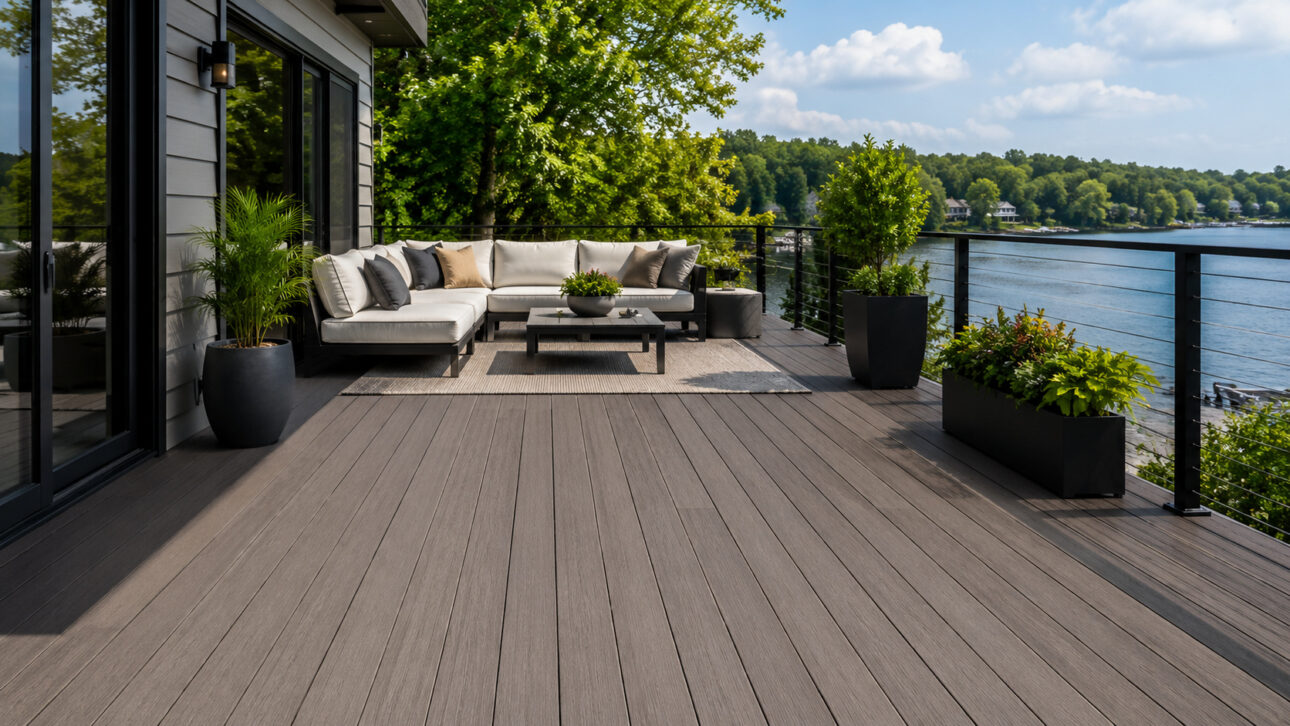
One of the main selling points of the segment is maintenance. Trex claims that its decks do not require sanding, painting, staining, or sealing, while Better Homes & Gardens says that composite decking never needs to be stained, sanded, or sealed and requires very little day-to-day maintenance.
According to Better Homes & Gardens, cleaning a composite deck tends to be much simpler than cleaning a wooden deck: generally, the routine involves soapy water, a soft-bristle brush, and periodic removal of surface dirt, without the need for constant treatments to renew the surface.
This difference weighs heavily in the purchase decision because wood maintenance is not usually occasional. The same Better Homes & Gardens notes that, in treated pine decks, there is a requirement for regular maintenance to preserve appearance and performance, with a recommendation to reapply finish every two or three years.
Moisture, stains, and wear put wood under pressure in outdoor areas
The competitive advantage of composite decking becomes clearer in environments subject to water, heat, and organic dirt. Better Homes & Gardens states that the material is resistant to moisture, stains, and fading, and because it is not traditional sawn wood, it does not suffer in the same way from mold, mildew, and rotting.
Trex, on the other hand, says its products resist stains, scratches, fading, termites, and do not rot, warp, or splinter like wood can over time. As this is a manufacturer’s claim, this point should be read as a technical promise of the brand, not as a universal guarantee for all composite decks on the market.
On the side of traditional wood, climate pressure remains a relevant factor. Better Homes & Gardens highlights that recurring maintenance is necessary precisely to prolong the lifespan of the material exposed to the external environment, which helps explain why so many people have started to compare not only the initial aesthetics but also the amount of work each solution will require over the years.
Higher initial cost still hinders the switch, but the calculation changes in the long term
The main barrier to the expansion of composite decking remains the entry price. Better Homes & Gardens reports that, at a minimum, composite boards can cost almost three times the price of pressure-treated wood, in addition to mentioning a range of $6 to $17 per square foot for composite materials, depending on the line and brand.
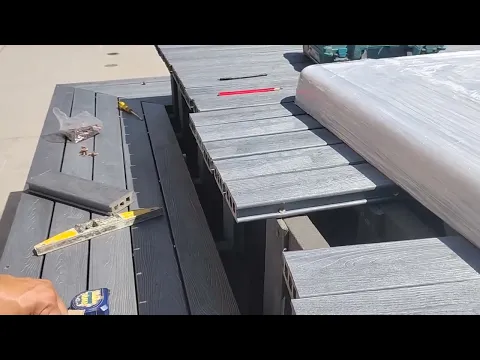
Even so, the same publication states that many consumers, builders, and designers have come to consider composite decking a logical choice because of its longer lifespan and reduced maintenance.
This is the central point of the current dispute between wood and composite. Wood remains valued for its natural appearance and tradition, but composite decking has advanced because it responds to an increasingly strong demand for low-maintenance outdoor areas, easy to clean and less sensitive to wear and tear imposed by weather and continuous use.
Composite decking grows because it trades part of rustic beauty for lasting practicality
The advancement of this material shows that the decision about outdoor decks is no longer just aesthetic. Today, consumers also compare how much time they will spend on maintenance, how many interventions will be needed over the lifespan of the space, and how much it will cost to keep the finish in good condition after years of exposure to the environment.
In this scenario, composite decking made with recycled plastic and reclaimed sawdust has gained ground by offering exactly what many homeowners are looking for: wood-inspired visuals, simpler cleaning, and less reliance on heavy maintenance.
The dispute with wood is far from over, but practicality is no longer a detail and has become one of the central factors in this choice.








Be the first to react!