






 Portuguese
  Spanish


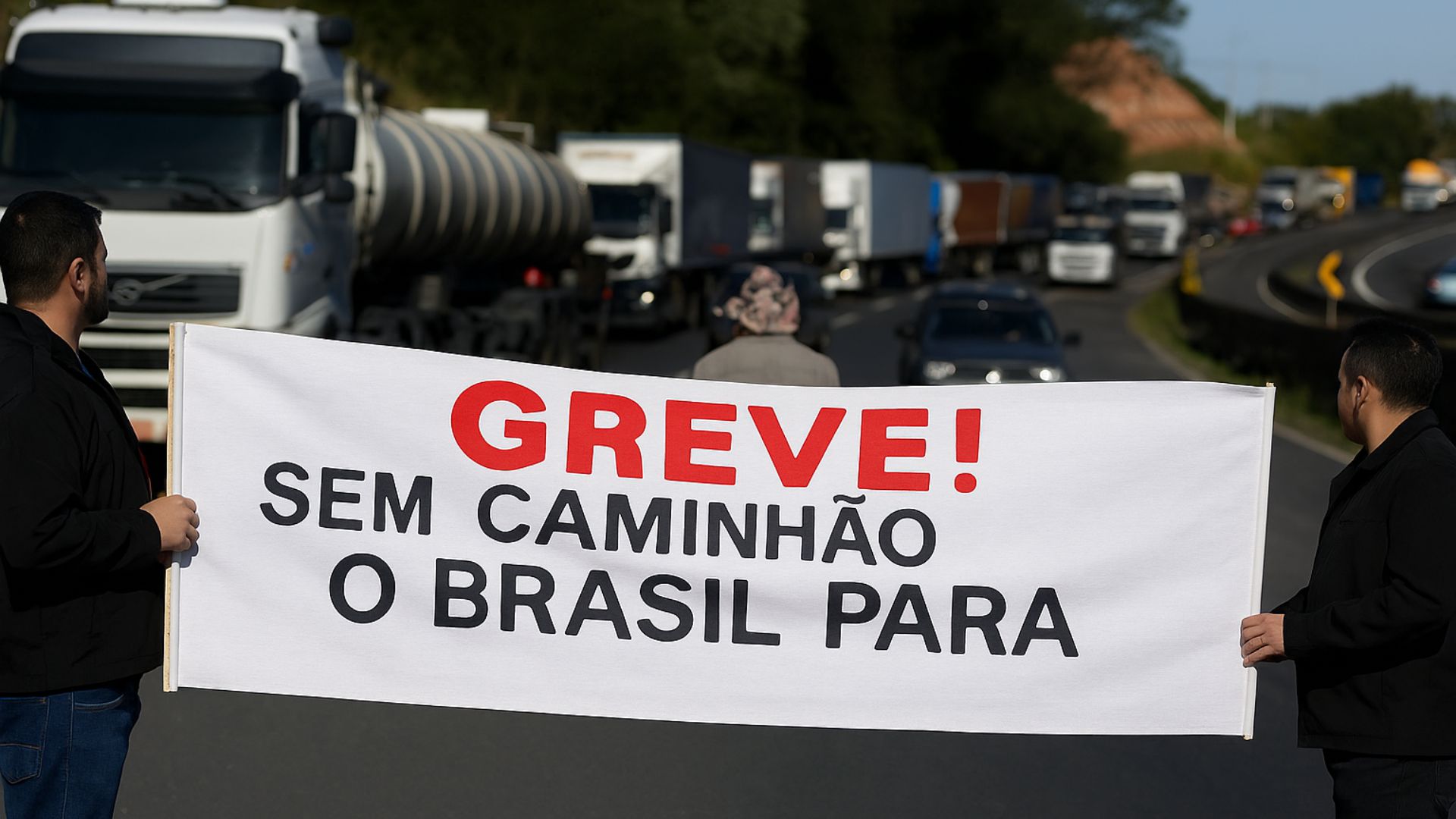


National Truck Drivers Mobilization Generates Expectation About Impacts, Brings Labor Agendas and Includes Legal Support and Demands for Amnesty, Expanding the Political and Sectoral Reach of the Announced Paralysis.
Truck drivers’ leaders are organizing a national strike scheduled for this Thursday (04), with the declared aim of “stopping Brazil” once again.
The movement, led by the representative of the Brazilian Truck Drivers Union, Chicão Caminhoneiro, has the legal support of retired Judge Sebastião Coelho and addresses issues related to the working conditions of the category, such as special retirement and changes in sector legislation, as well as advocating for amnesty for former President Jair Bolsonaro, who is imprisoned at the Federal Police (PF) headquarters.
Official Protocol and Start of Mobilization
This Tuesday (02), Chicão was at the Presidency of the Republic to submit a document regarding the general strike of the category, scheduled to begin on Thursday (04).
-
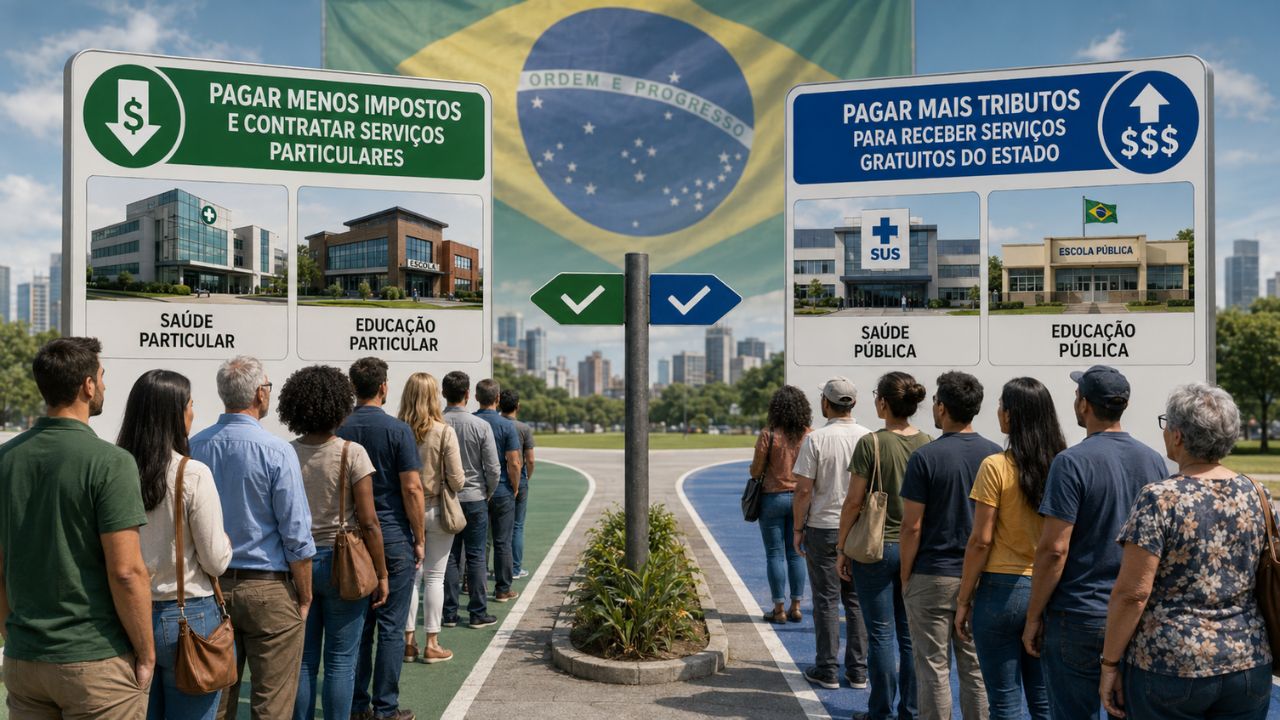
Half of Brazilians Prefer Lower Taxes with Private Health and Education, While 44% Opt for Higher Taxes for State-Provided Services, Datafolha Survey Reveals

-
Brazil’s Most Expensive Toll Rises to R$ 40.60 on Route from São Paulo to the Coast, Nearly Matching Bus Fare to Santos

-
As Brazil Expands Social Welfare, Survey Reveals 40% Blame Poverty on Laziness, While 58% Cite Lack of Opportunities

-
China Tightens Control on Antimony, Driving Prices from $22,000 to Nearly $40,000 per Ton as U.S. Rushes to Bolster Strategic Reserves



He was accompanied by Sebastião Coelho, who appears beside him in a video posted on social media.
According to Chicão, the project underpinning the movement was developed “by many hands,” with contributions from various representatives of truck drivers.
In public statements, he asserts that the group is made up of “truck drivers, warriors, fighters”, emphasizing that the initiative comes from the very category of cargo transport.
Commenting on the protocol, the leader says the intention is to formally notify the federal government about the mobilization and record the start date of the strike.
The strike is presented by the organizers as nationwide, with the possibility of participation in different states and sectors of road transport.


Legality and Legal Support for the Paralysis
In a video, Chicão denies that the paralysis has a political-partisan nature and states that the movement must respect the legislation.
He asks truck drivers to observe the “respect for the laws” and advises that the right of movement for the population should be preserved.
“We cannot impede the right of movement of people, we must respect all the legislation that is imposed on the category to allow for the free movement of people,” he declared.
The presence of Sebastião Coelho aims to provide legal backing for the actions of the truck drivers.
The retired judge, who was alongside Chicão at the time of the protocol, stated that he is “here to provide legal support to the movement” and that he intends to follow the developments of the paralysis.
In another video posted on social media, he emphasizes that he will participate “in all developments of the process” and expresses his belief that the movement can be “victorious for the entire category, given the agenda” presented by the truck drivers.
According to the organizers, Coelho’s action is aimed at ensuring that the actions occur within legal limits.
Labor Agendas and Demands of the Truck Drivers
According to representatives of the category, the paralysis is not presented by them as an act linked to a specific party ideology, but as a mobilization for improvements in the working conditions of truck drivers.
Among the cited demands are:
• Contractual Stability for Truck Drivers
• Guarantee of Compliance with Transport Laws
• Restructuring of the Regulatory Framework for Cargo Transport
• Special Retirement After 25 Years of Activity
The advocacy for a differentiated retirement is based on the argument that the routine on the roads involves long hours, constant relocations, and exposure to risks, which would justify specific treatment in the social security field.
Additionally, sector leaders claim that there is a violation of rules already in effect and demand greater oversight and legal security in contracts established with companies and shippers.

Amnesty for Those Investigated and Former President Jair Bolsonaro
Alongside labor demands, the movement incorporates an agenda for amnesty related to the events of January 8 and former President Jair Bolsonaro.
Ally of the former president, Sebastião Coelho had called, the week before, Bolsonaro supporters for a strike in defense of broad amnesty.
In a video posted on his social media page, the former magistrate states that “we have done everything within our reach so far, without any result” and says that the goal is “broad, general, and unrestricted amnesty for everyone from January 8 and for President Bolsonaro, who represents everyone.”
According to him, the recipient of the strike is the National Congress, which, in Coelho’s own assessment, “is turning its back on the Brazilian people.”
Coelho also advises that all services should, in theory, join the strike, except for firefighters, hospitals, and ambulances.
He explains that the initial expectation is for sectoral strikes, with leaders of each segment calling for the suspension of activities in their areas and, from there, adding new participants.
Expectations About Adherence and Possible Impacts
Although the strike is announced as nationwide, Sebastião Coelho himself notes that “initially, it is unlikely” that there will be a total paralysis across the country.
The organizers expect the movement to gradually expand as independent truck drivers, employees, and transport companies decide whether to join the act or not.
Public agencies are monitoring the situation on highways and social media, given the possibility of partial blockages, slowdowns at strategic points, or concentrations of trucks in yards and shoulders.
If there is strong adherence, there may be impacts on the supply of fuels, food, and other products, as has been recorded in previous strikes in the sector.
The fact that the movement combines, at the same time, labor demands and a political agenda linked to amnesty may influence the level of adherence.
Sectors of the category prioritize issues directly related to working conditions, while other groups show alignment with the agenda for amnesty advocated by supporters of the former president.
Memory of the 2018 Strike
The current call occurs under the memory of the 2018 truck drivers’ strike, when drivers across the country halted activities for ten days in protest against frequent fuel price increases.
At that time, there was a fuel shortage at gas stations, impact on food supply, and repercussions in public and private services.
The 2018 mobilization led to negotiations with the government of Michel Temer, which resulted in temporary subsidies for diesel, tax adjustments, and the creation of a minimum price policy for freight.
Even so, some truck drivers claim that not all promises have been kept over the following years.
In a distinct political and economic context, the call for a new strike brings back to discussion the weight of truck drivers as pressure actors and the possible repercussions of a prolonged suspension of cargo transport on supply and the economy.
Given the agendas that combine labor demands and calls for amnesty, to what extent will the strike announced for the 4th manage to mobilize the category on a national scale and what will be the authorities’ response to the demands presented?







Nao parar para dar suporte a nenhum ****..que fique preso….
Apoio a greve, os camioneiros merecem melhores condições para aposentadoria e de trabalho.