Portuguese
  Spanish


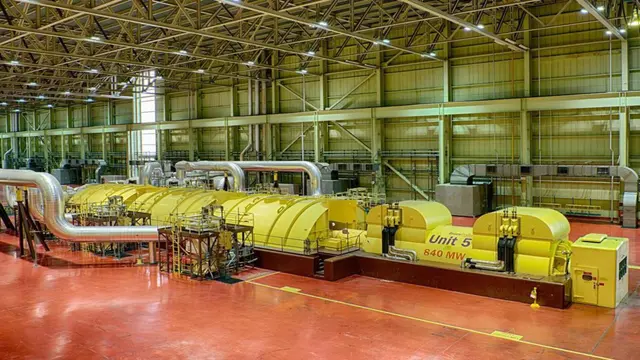

Project Of Modernization Aims To Extend The Lifespan Of The Reactor And Reinforce The Energy Matrix With A Focus On Sustainability And Supply Stability
The largest nuclear power plant in the world is set to begin another modernization phase. Bruce Power, located in Ontario, Canada, has received the green light to start the fourth Major Component Replacement (MCR) project, part of a comprehensive effort to rebuild a nuclear reactor aimed at renewing and prolonging the operational life of the units.
The authorization for the reconstruction of the nuclear reactor was granted by the Independent Electricity System Operator (IESO), responsible for managing the electricity grid of the province. The new project is scheduled to start next year, focusing on Unit 5 of the facility.
The decision was announced after confirming that the company met all required conditions. Bruce Power is known as the leading supplier of medical isotopes and assured it is ready to begin the new phase of the overhaul. This approval marks another important step in the renewal of Canada’s nuclear sector.
-
Brazil’s Angra 3 Nuclear Plant Reaches 66% Completion; Government Faces 2026 Deadline to Decide on $24 Billion Project’s Future

-
American company drills a 1,830-meter hole in Kansas using oil well technology, places a nuclear reactor inside, and claims it will generate electricity without any cooling tower.
-
Canada invests more than 2 billion dollars to upgrade an old nuclear laboratory and try to rival the world’s major atomic energy powers.
-
Nuclear company backed by Bill Gates partners with Hyundai for next-generation 345 MW nuclear reactor



Renewal With Canadian Seal
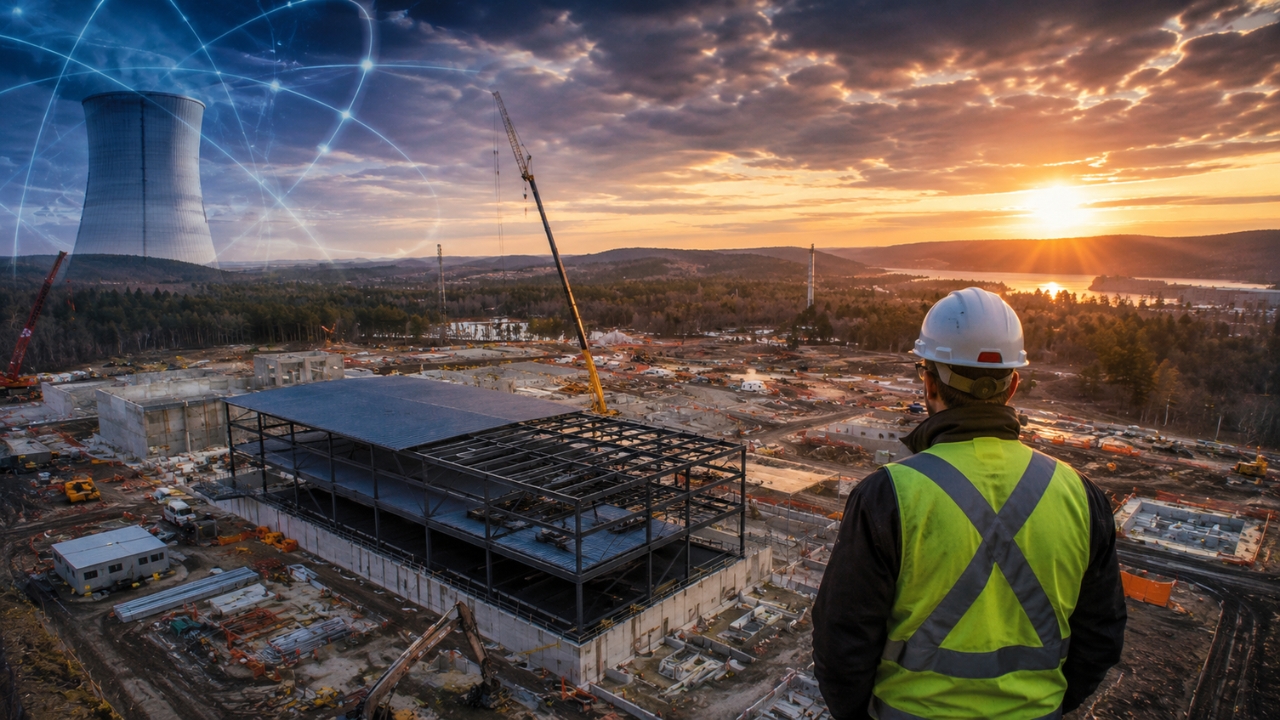
According to Stephen Lecce, Minister of Energy and Mines of Ontario, the initiative generates direct benefits for the local economy. “As we face the tariff threat from President Trump, I am proud that over 90% of all materials purchased have the ‘Made in Canada’ seal, creating more than 20,000 jobs for Ontario’s skilled workforce,” he stated.
Lecce also emphasized that the Unit 5 project, along with other investments in the region’s nuclear fleets, ensures the supply of clean, reliable, and affordable energy for Ontarians and businesses in the coming generations.
Replacement Of Nuclear Reactor Components
The MCR project involves the removal and replacement of essential parts of the nuclear reactor. Among the items to be replaced are steam generators, pressure tubes, calandria tubes, and feeder tubes. The goal is to extend Unit 5’s lifespan by up to 35 years.
This will be the fourth unit of Bruce Power to undergo refurbishment. The first was Unit 6, which has already completed its process and resumed operation last September. Units 3 and 4 are currently under refurbishment. Units 5, 7, and 8 will follow in overlapping phases until 2033.
In addition to energy, the reactors provide medical isotopes used in cancer treatment. Maintaining this supply is considered strategic for both public health and science.
Safety And Innovation
For Eric Chassard, President and CEO of Bruce Power, the experience gained places Ontario as an international reference in the refurbishment of nuclear power plants. He highlighted that projects have been delivered on time, within budget, and to the highest safety standards.
“Our nuclear industry is a true success story, born in Ontario and Canada,” Chassard stated. “Through excellence and continuous innovation, we are helping to drive the economy and produce medical isotopes that combat cancer.”
Nuclear Reactor Refurbishment: Sustainability And Job Creation
The President and CEO of IESO, Lesley Gallinger, reinforced that nuclear reforms ensure reliability and sustainability for Ontario’s electricity system. She also pointed out the positive impacts on local communities, with job creation and economic strengthening.
IESO’s support for Bruce Power has been long-standing. In 2005, the first agreement was signed to reactivate Units 1 and 2. In 2015, a new agreement was finalized, allowing investment in extending the lifespan of Units 3 through 8.
Direct Results For Canada
The Life-Extension program of Bruce Power generates US$ 10 billion annually. It involves hundreds of local companies and makes 90% of its purchases within Canada. The project is estimated to create 22,000 jobs each year across the province of Ontario, particularly in the construction and trade sectors.
Lisa Thompson, a legislator for Huron-Bruce, highlighted the project’s importance. “The refurbishment of Bruce Power’s reactors is a vital step in ensuring a reliable and sustainable energy future and solidifying Ontario’s position as a global leader in clean energy,” concluded Lisa Thompson. “This project will drive long-term prosperity and ensure Ontario continues to lead in both innovation and opportunities,” she stated in a statement.”
With the refurbishment of Unit 5 scheduled to begin next year, as part of the nuclear reactor reconstruction process, Bruce Power takes another step to keep Ontario at the forefront of clean energy and nuclear technology.
With information from Interesting Engineering.