Portuguese
  Spanish



Strike Impacts Import of Vehicles from Various Brands. Ibama Claims to Be Within Legal Timelines for Release
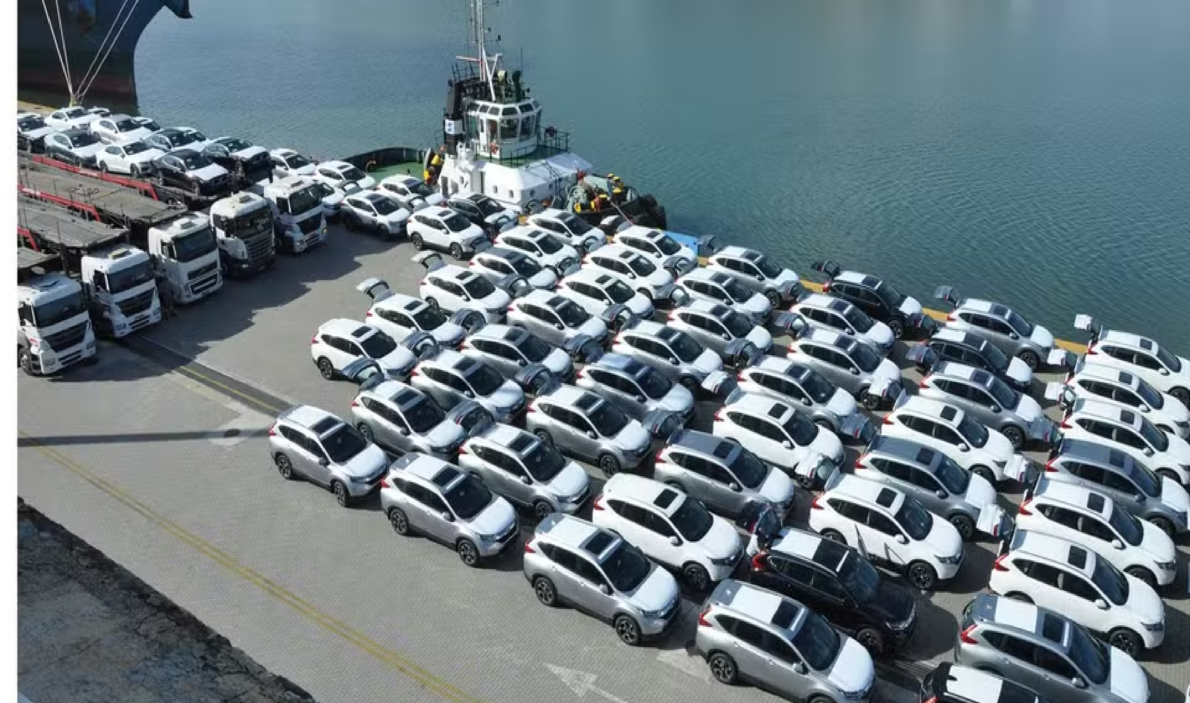
The strike of workers from the Brazilian Institute of the Environment (Ibama) is causing disruptions for the import of vehicles in Brazil. According to the National Association of Motor Vehicle Manufacturers (Anfavea), about 47,000 cars from various brands are awaiting the release of the import license at ports across the country, according to G1.
Ibama, for its part, claims it is respecting the timelines for environmental authorization. The agency analyzes licenses on average within 20 calendar days after the registration of the lots, a deadline shorter than the legal limit, which is 60 days according to Ordinance Secex No. 249/2023.
The Accumulation of Vehicles at Ports and the Impacts of the Ibama Strike
The accumulation of vehicles at the ports is also due to early shipping without prior sales authorization, a decision made by the manufacturers themselves. Ibama emphasizes that companies must bring vehicles to the country only after the import license is granted.
-
Chevrolet’s Parent Company to Invest Billions in Brazil to Modernize Factories, Update Cars, and Accelerate Hybrid Launch by 2028

-
Practical Driving Tests in Brazil Surge by 23.5%, Exceeding 2.2 Million by 2026, as New Rules Make the Process Cheaper and Simpler
-
Brazil’s Lula Government Allocates $463 Million Quota for Electric Car Parts, Waives Import Tax Until December, Sparking Competition Among BYD, Automakers, and Unions as Consumers Question Impact on Prices and Local Industry

-
Thinking of Installing LED Headlights? Why Replacing Halogen Bulbs is Still Banned, the Glare Risks Authorities Worry About, and How a New Proposal Could Allow Certified, Safe Installations


The market is already feeling the impacts of the strike, with fluctuations in the sales of imported models. The Volkswagen Taos, produced in Argentina, has seen a significant drop in registrations since the beginning of 2024. In January, 1,094 units were sold, while in April, the number fell to 795, according to data from Fenabrave.
Strike Affects Stock of Cars from Volkswagen and Fiat in Brazil and Uruguay
Volkswagen confirmed that the volume of vehicles stranded at Brazilian ports is increasing and that it is being heavily impacted by the strike. The same is true for the Fiat Titano, produced in Uruguay, which has low stock at dealerships, having registered only 43 units in April.
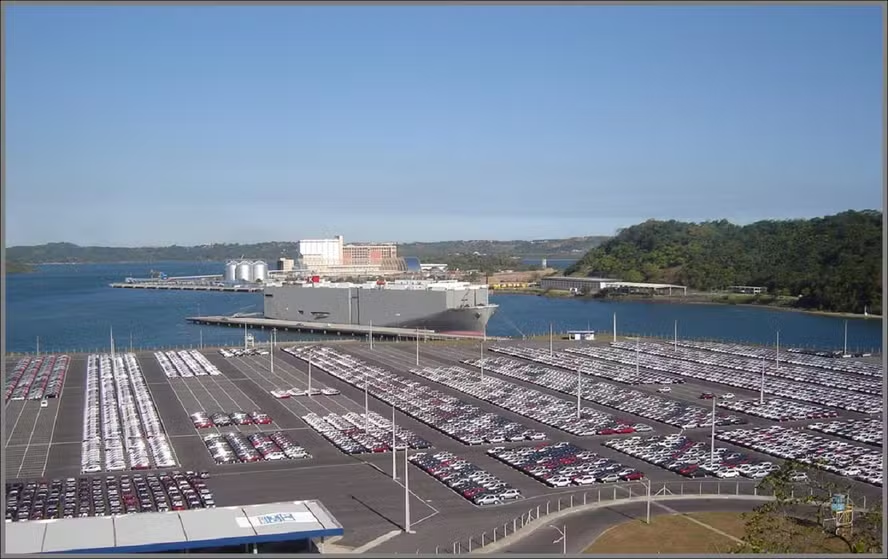
Stellantis, which controls brands such as Fiat, Jeep, Peugeot, and Citroën, reported that it is waiting for the release of documents to sell cars in Brazil. BMW is experiencing delays in the approval of some licenses, which it considers of extreme relevance to its operations in the country. The Chinese companies BYD and GWM initially reported no problems, and Toyota is monitoring the impacts of the strike.
The strike of Ibama workers began in January and has already lasted four months. They are demanding new career plans, salary increases, and improvements in working conditions. In addition to the automotive sector, the strike affects companies in the energy, oil, and gas sectors, as Ibama also issues environmental licenses for the construction of new ventures.