






 Portuguese
  Spanish


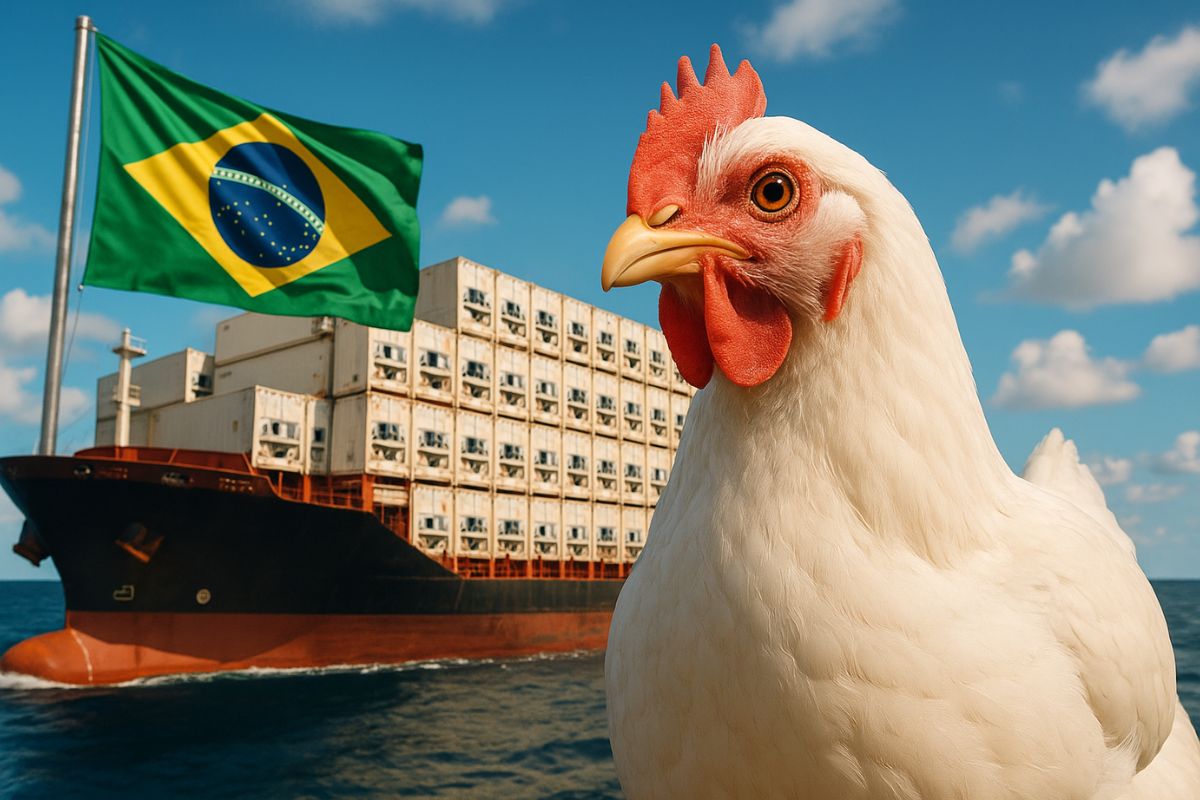


Avian Flu: Countries Lift Restrictions and Brazilian Poultry Meat Gains Space in the International Market. Chile, Namibia, North Macedonia, and Saudi Arabia Suspended Barriers to Brazilian Poultry Meat, Strengthening Exports and Bringing Relief to the Sector.
The recent decision by Chile, Namibia, North Macedonia, and Saudi Arabia to lift restrictions imposed due to avian flu represents a strategic victory for Brazil. The movement reopens important markets for Brazilian poultry meat, a product that is already a global benchmark in quality and export volume.
According to information from FDR, the measure reinforces Brazil’s position as a world leader in the poultry sector, bringing direct impacts to the trade balance and job creation. At the same time, the decision reflects the confidence of trading partners in the sanitary measures implemented by the country.
The Economic Impact of the Decision
The lifting of export restrictions for these countries means the recovery of key markets and the possibility of expansion in new negotiations. Brazilian poultry meat is one of the pillars of agribusiness, responsible for billions of dollars in annual revenue.
-
Producer receives news and had to cull almost the entire herd, bounced back with the help of compensation, and is now producing 450 liters of milk per day in SC.

-
Quail Eggs Reveal a “Secret Code” on Their Shells Explaining Unique Patterns and Colors

-
Rare Tropical Fruit Canistel, with Egg Yolk Color and Caramel Flavor, Gains Interest from Researchers and Small Producers in Brazil
-
Brazilian Farmers Develop Wheeled Metal Lever to Ease Cassava Harvesting Without Heavy Machinery


The suspension of sanitary barriers generates greater predictability for producers and security for investors, as well as contributing to the stability of internal and external prices. With Brazil already being one of the largest exporters in the world, this gesture of confidence further strengthens its strategic position in the global food trade.
The Role of Anvisa in Combating Avian Flu
The Anvisa (National Health Surveillance Agency) plays a central role in the process of international credibility. Its actions include:
- Strict biosafety protocols in the production and handling of food;
- Constant review and auditing of export practices;
- Transparency in communication with international organizations;
- Continuous monitoring to prevent outbreaks and ensure food safety.
These measures are decisive for importing countries to recognize Brazil as a reliable supplier, even during periods of global alert.
Avian Flu and Controlled Risks
Despite the resumption, avian flu remains an international threat. Brazil has not recorded severe impacts that could compromise its production, but sanitary vigilance remains active. The challenge lies in balancing economic expansion with maintaining safety standards that protect consumers and uphold the country’s credibility on the international stage.
The decision by Chile, Namibia, North Macedonia, and Saudi Arabia is a positive milestone for the sector. It demonstrates that Brazilian poultry meat maintains global prestige and that the safety protocols adopted in the country are effective.
Do you believe that the lifting of restrictions could pave the way for even more countries to resume imports? Or do you think the risk of avian flu could still weigh in the future? Share your opinion in the comments — we want to hear from those who are closely involved in this market.





Devemos agradecer tudo isso ao melhor presidente que esse país já teve. Um estadista nato, abriu o comércio do Brasil com todo o mundo. Esperem para vê, o Brasil, vai ser o canteiro do mundo em alimentos e proteínas. Valeu presidente Luiz Inácio Lula da Silva.