






 Portuguese
  Spanish


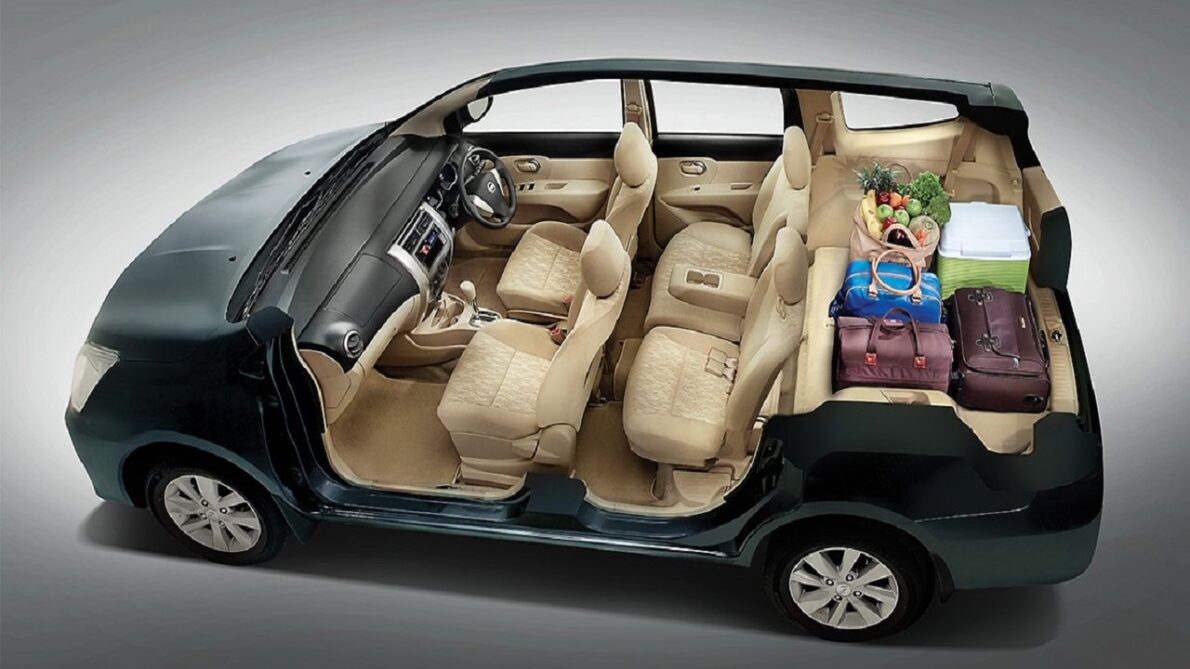


The Nissan Grand Livina, a 7-Seater Car Ideal for Those Looking for a Spacious Vehicle for the Family, Has Been Gaining Attention in the Market. With a Modern Design and Features That Meet the Needs of Comfort and Safety, the New Nissan Minivan Is Catching the Eye of Consumers.
The Brazilian market once had a time when minivans were a popular choice for families. In 2009, Nissan entered this segment by launching the Nissan Grand Livina, offering a model that stood out for its generous interior space and a 7-seater car. Nissan’s minivan emerged as an authentic alternative for those seeking a family car, competing with other minivans that dominated the streets at the time. With its practical and functional design, the Livina promised to meet the needs of those requiring versatility and comfort for the whole family.
A Little Bit of History of the 7-Seater Car from Nissan
At the time of the Nissan Grand Livina’s launch, the national market housed the Chevrolet Meriva and Zafira, Citroën Xsara Picasso, Fiat Idea, Renault Scénic, and was soon to receive Chevrolet Spin and Citroën C3 Aircross. In favor of Nissan’s model, there are well-positioned engines, which help the Nissan minivan to be a good option among used cars.
The 7-seater car was globally unveiled at the Guangzhou International Auto Show (China) in 2006. In Brazil, it made its appearance at the São Paulo International Auto Show in 2008. A low-cost project for such emerging markets, the minivan was successful in countries like China, South Africa, and Southeast Asia.
-
Rolls-Royce Turns Heads with 30-Inch Floating Wheels, 6.6-Liter V12 Engine, and 563 Horsepower

-
2019 Kia Sportage EX: A Spacious and Cost-Effective SUV with 2.0 Flex Engine and Panoramic Roof
-
Fiat Strada Becomes Top Seller in June, Surpassing Onix, Polo, Hilux, and T-Cross with 107 HP Engine and 732 km Range.

-
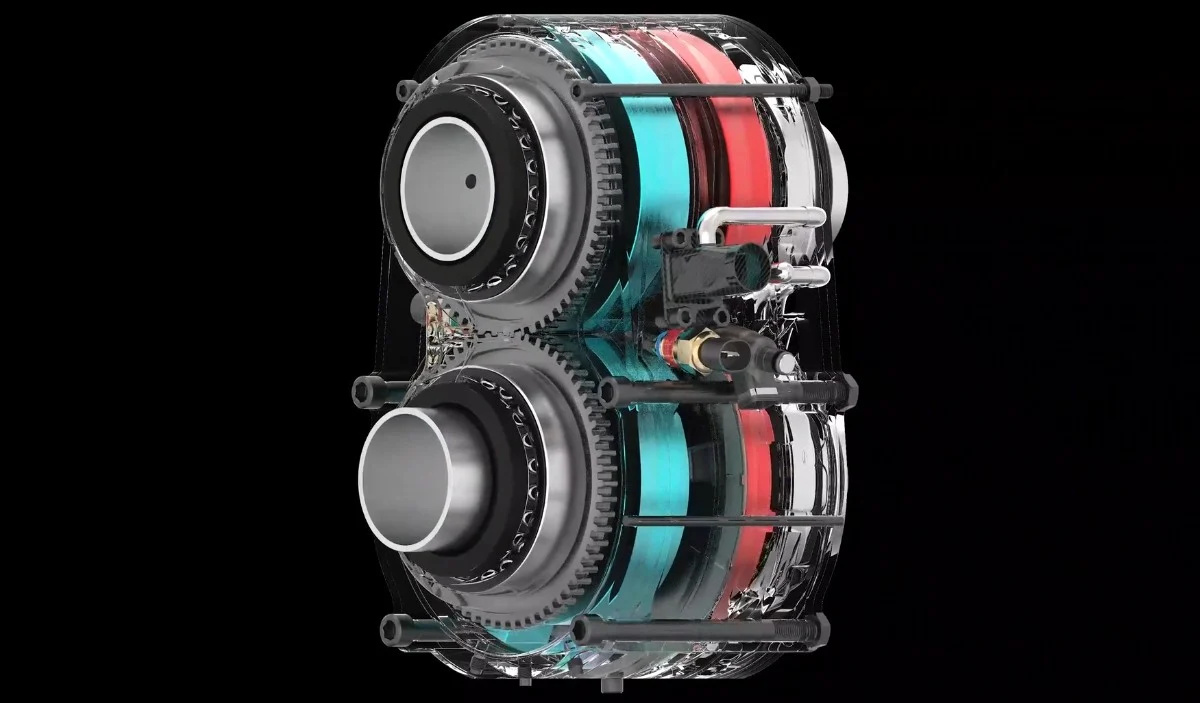
Suitcase-sized hydrogen engine spins at 25,000 rpm, nearly doubling the efficiency of conventional cars and replacing exhaust smoke with water vapor




The brand’s first flex model worldwide and with an unremarkable design, the Nissan Grand Livina was produced in São José dos Pinhais (PR) as part of the alliance between the Japanese company and Renault. The 7-seater car used the automaker’s global B platform, the same one that served the Note minivan.
The launch of Nissan’s minivan occurred in March 2009, with the Grand Livina variant launched three months later that same year. With versatility and excellent interior space, it arrived with 1.6 and 1.8 engines that have accompanied the lineup throughout its lifecycle.
Nissan Grand Livina Delivers Up to 126 hp
One of the interesting facts about the Nissan minivan is that it was one of the most powerful of its time among compact minivans. The entry-level versions were equipped with the 1.6 16V engine from Renault, which develops 108 hp with ethanol and 106 hp with gasoline, paired with a five-speed manual transmission.
The performance is in line with the family-oriented proposal of the car and its weight of over 1,100 kg. The accelerations are competent, and a highlight goes to the torque of 15.3 kgfm and 14.9 kgfm available before 4,000 RPM, making it somewhat easier for the minivan to tackle inclines.
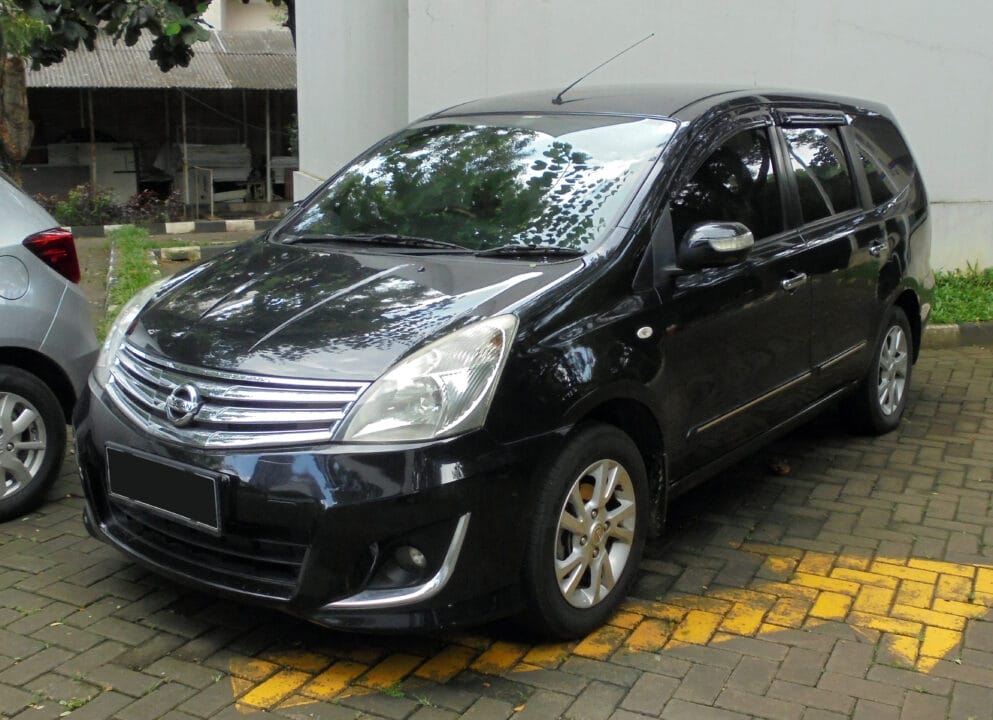
With the 1.8 16V, the Nissan Grand Livina becomes slightly more brisk. It offers 126 hp with ethanol and 125 hp with gasoline, along with 17.5 kgfm of torque at 4,800 RPM with both fuels. With this engine, the adoption of the six-speed manual transmission assists in launches, with the first gears being shorter, while the sixth acts as a sort of overdrive.
7-Seater Car Stands Out for Its Interior Space
The most important fact about the Nissan minivan and its main attraction is the interior space. With 4.18 meters in length, 1.69 m in width, 1.57 m in height, and 2.60 m in wheelbase, the Japanese brand’s minivan is one of the most spacious in its category at the time.
The trunk of the Nissan Grand Livina also deserves applause. It offers 449 liters of capacity and 769 liters with the rear seats folded in the five-seat configuration. Just in length, the luggage space measures 85 cm.
The 7-seater car has 24 cm more to accommodate the extra seats. It is true that access to the third-row seats is not wonderful, and the space there, despite the sufficient height, is more suitable for children. There are only 37 cm of legroom from the H point to the back of the second-row seatback. But it is still interesting for those with large families.








Esta disponível pra venda no Brasil