Portuguese
  Spanish


Toyota accelerates expansion in Sorocaba with new unit, R$ 11 billion in investments and about 2,000 jobs created in the plan that also marks the end of production in Indaiatuba.
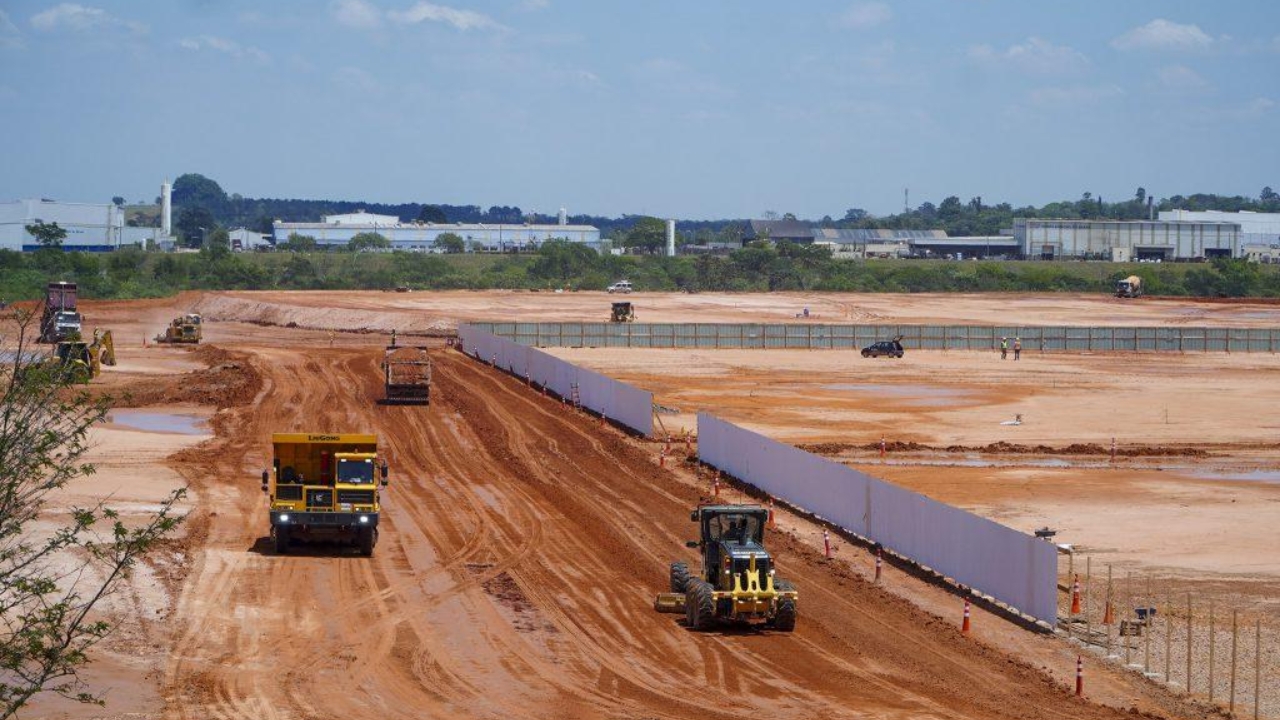
Toyota will inaugurate a second factory in Sorocaba (SP) at the beginning of November 2026, thus taking another step in the reorganization of production in Brazil. The new unit will concentrate part of the operation in the complex along the Castello Branco highway and arrives at a time of important changes for the brand in the country.
The move is part of an investment package of R$ 11 billion until 2030 and comes with the creation of about 2,000 new jobs. At the same time, the company completes the transfer of Corolla production from Indaiatuba to Sorocaba, ending an industrial phase that has lasted almost three decades.
The new factory was designed to enhance production efficiency, adopt modern manufacturing technologies, and reduce emissions, in addition to preparing the company for new phases of mobility, including hybrid systems.
-
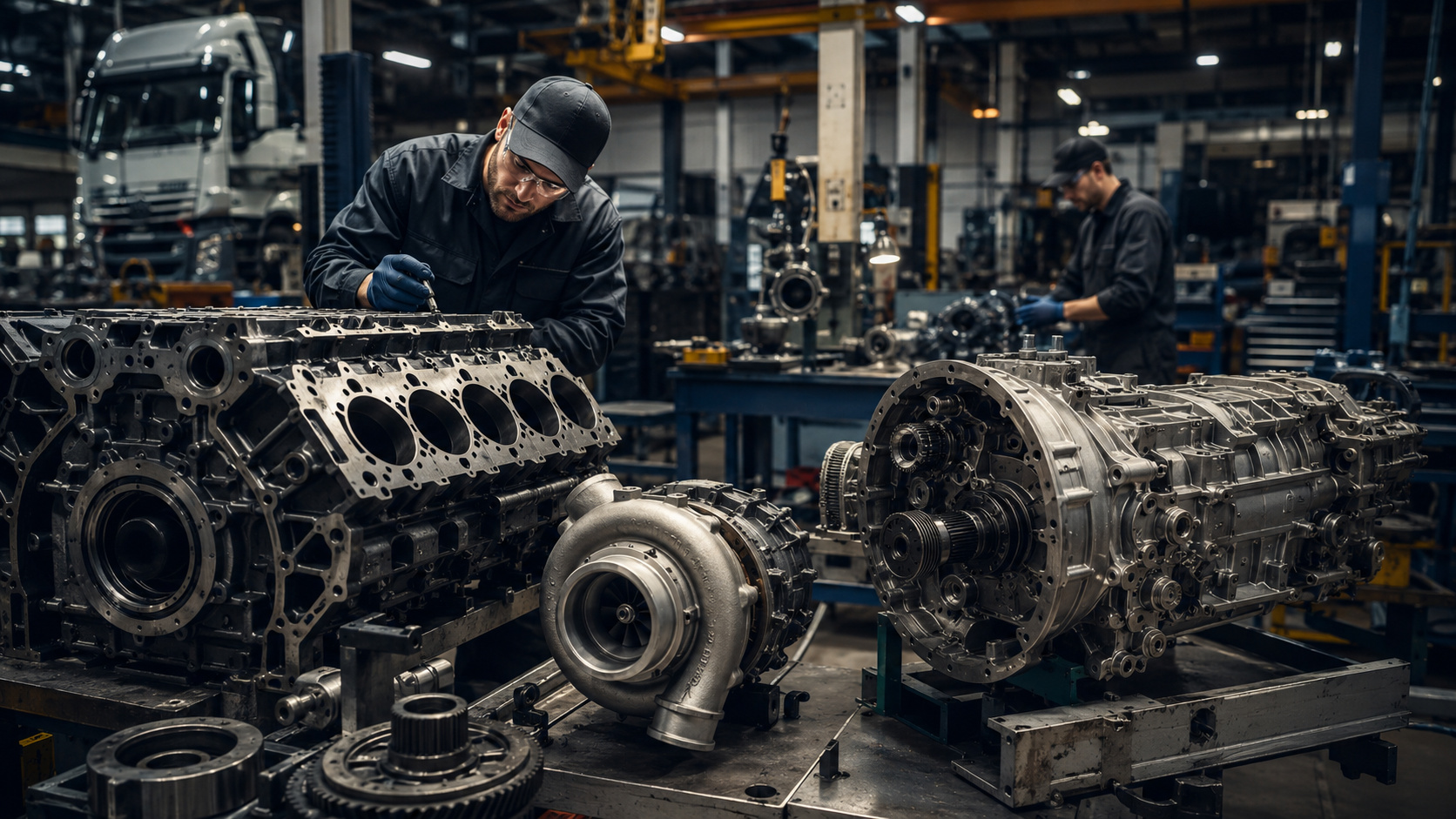
Brazilian Factory Restores Truck Engines and Parts, Reducing Raw Material Use by Up to 85% After 80 Years in Business

-
British Marines Set Record by Changing Ford Escort Engine in 42 Seconds, Unbroken for 40 Years

-
BYD Owners in Brazil Raise Concerns Over Warranty After 87,000 km, Two Repairs in Three Days, and Over $500 in Costs

-
Classic Volkswagen Beetles of Brazilian Presidents to Swap Museums in Historic Partnership


New unit enters as a central piece of the expansion
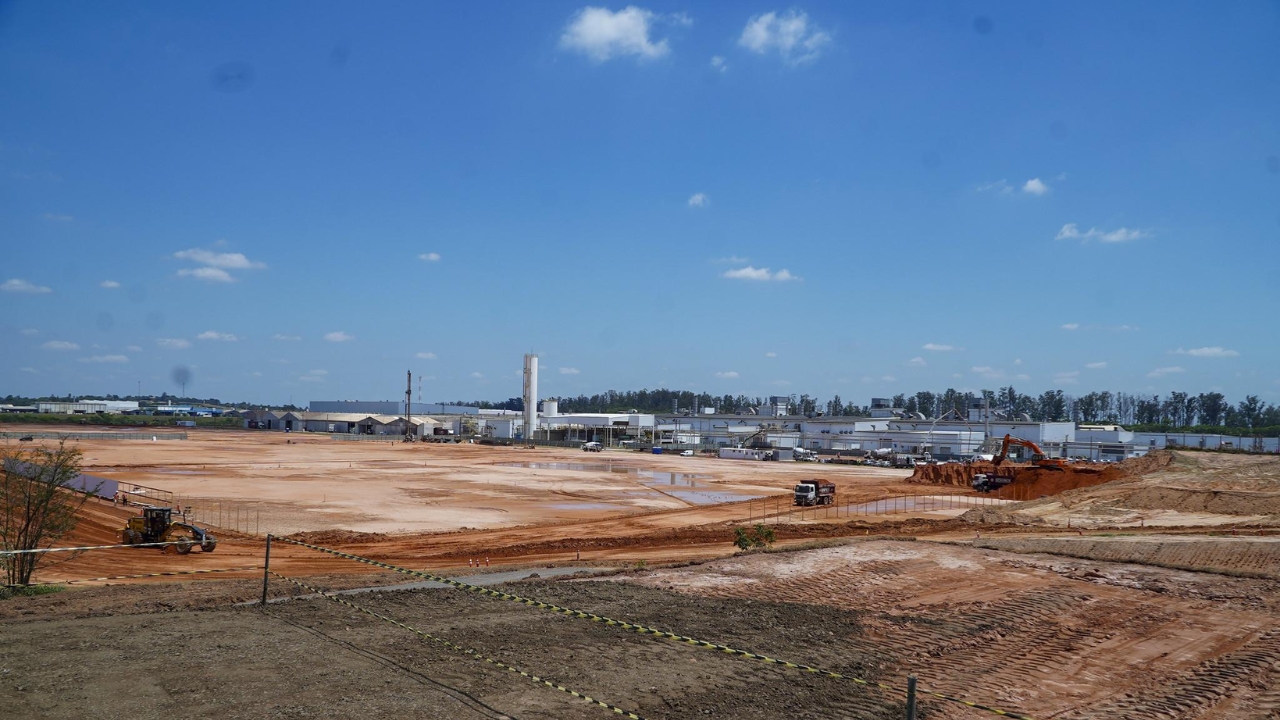
The second factory in Sorocaba does not emerge as an isolated project. It is part of Toyota’s larger plan to expand its presence in Brazil and reorganize its industrial structure with a focus on the long term. The company treats the investment as a bet on competitiveness, innovation, and greater production capacity.
In practice, the expansion of the São Paulo complex gains even more weight because it concentrates operations in a hub already known to the brand. With the new unit, Toyota strengthens the base that will support much of its strategy in the country in the coming years.
Indaiatuba enters the final phase and leaves a mark in the automaker’s history
While Sorocaba grows, Indaiatuba is moving towards the end. Toyota announced that the production activities of the unit will be closed on June 30, 2026. The plant has been operating since 1998 and, over almost three decades, produced more than one million vehicles.
The Corolla was the only model manufactured on site. Now, all production will be absorbed by the Sorocaba complex, in a move that closes an important cycle of the automaker’s Brazilian operation.
The company thanked the city and the collaborators who worked at the unit during this period. It also informed that the transition process with employees and representatives was conducted clearly, with alternatives such as transfer and a voluntary redundancy plan, with optional adherence, without unilateral dismissals.
Investment of R$ 11 billion reinforces bet on hybrids
Toyota’s plan in Brazil until 2030 amounts to R$ 11 billion and helps explain the scale of the expansion in Sorocaba. The new unit was designed with a focus on production efficiency and emission reduction, two key points in the manufacturer’s strategy.
Another highlight is the preparation for new models and technologies, with special attention to hybrids. The move indicates that the automaker wants to align its Brazilian operation more closely with the automotive sector’s transition, at a time when efficiency and lower environmental impact weigh increasingly in brand decisions.
What changes for workers, production, and market
Toyota’s package affects three fronts at the same time: jobs, industrial structure, and technology. On one hand, the expansion creates about 2,000 jobs. On the other, it concentrates production in Sorocaba and ends the Indaiatuba phase. Amidst all this, the brand prepares to advance in hybrids and new manufacturing solutions.
With the inauguration scheduled for November 2026 and the industrial transition already underway, Toyota enters a new stage in Brazil. The decision reshapes the automaker’s operation in the country and should remain on the automotive sector’s radar in the coming months.
If you follow the automotive market, it’s worth keeping an eye on this turnaround and sharing the news with those who also track Toyota’s movements in Brazil.