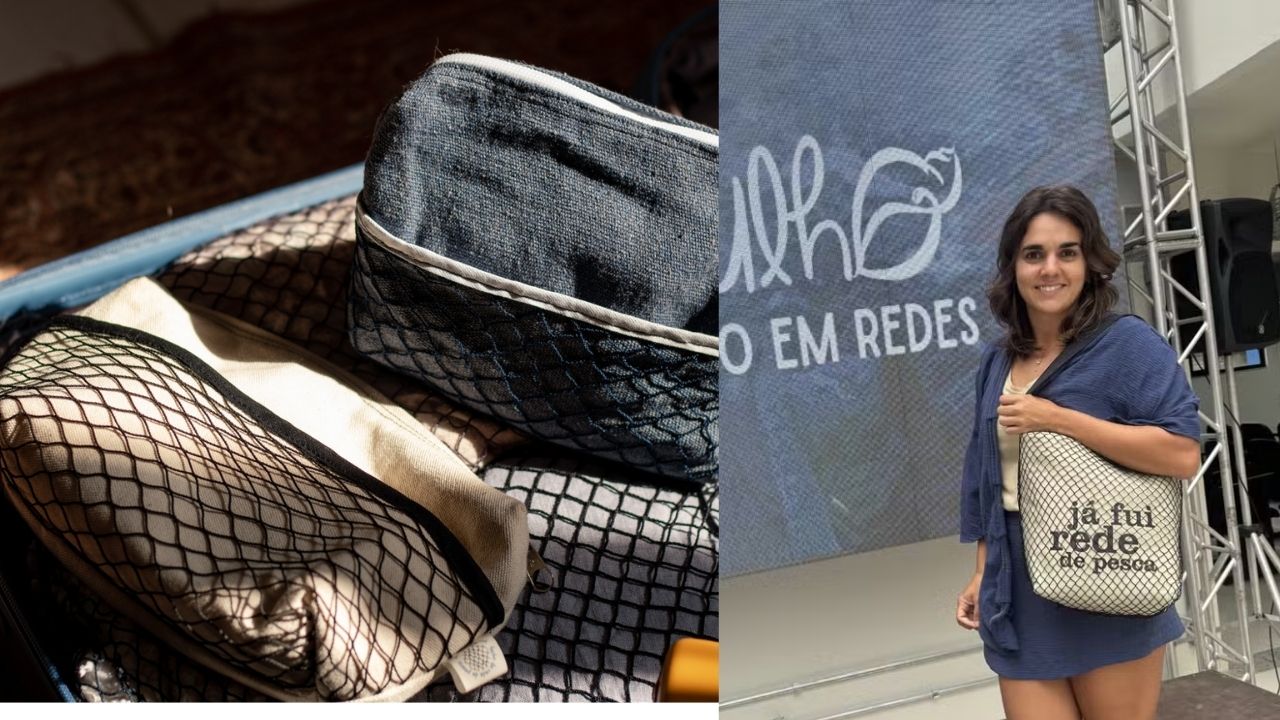

The fishing nets discarded in the sea became the raw material for Marulho in Ilha Grande, where Bia Mattiuzzo transforms sea waste into bags, pouches, and income, drives sales through social networks and e-commerce, involves 20 people from the local community, and earns R$ 35 thousand monthly today, according to PEGN/One Planet.
The fishing nets abandoned in the sea became the starting point for Marulho, a business created by oceanographer and entrepreneur Bia Mattiuzzo in Ilha Grande, in the municipality of Angra dos Reis, Rio de Janeiro. The initiative transforms waste removed from the coastal environment into bags, pouches, tote bags, and other products, with a monthly revenue of R$ 35 thousand.
The information is from PEGN / One Planet, in a publication dated 03/23/2025, at 07:00, updated on the same day at 12:02. According to the report, the company was born from Bia’s direct observation of the accumulation of discarded nets in a coastal city and today involves 20 people from the community.
The waste seen in the sea became a starting point
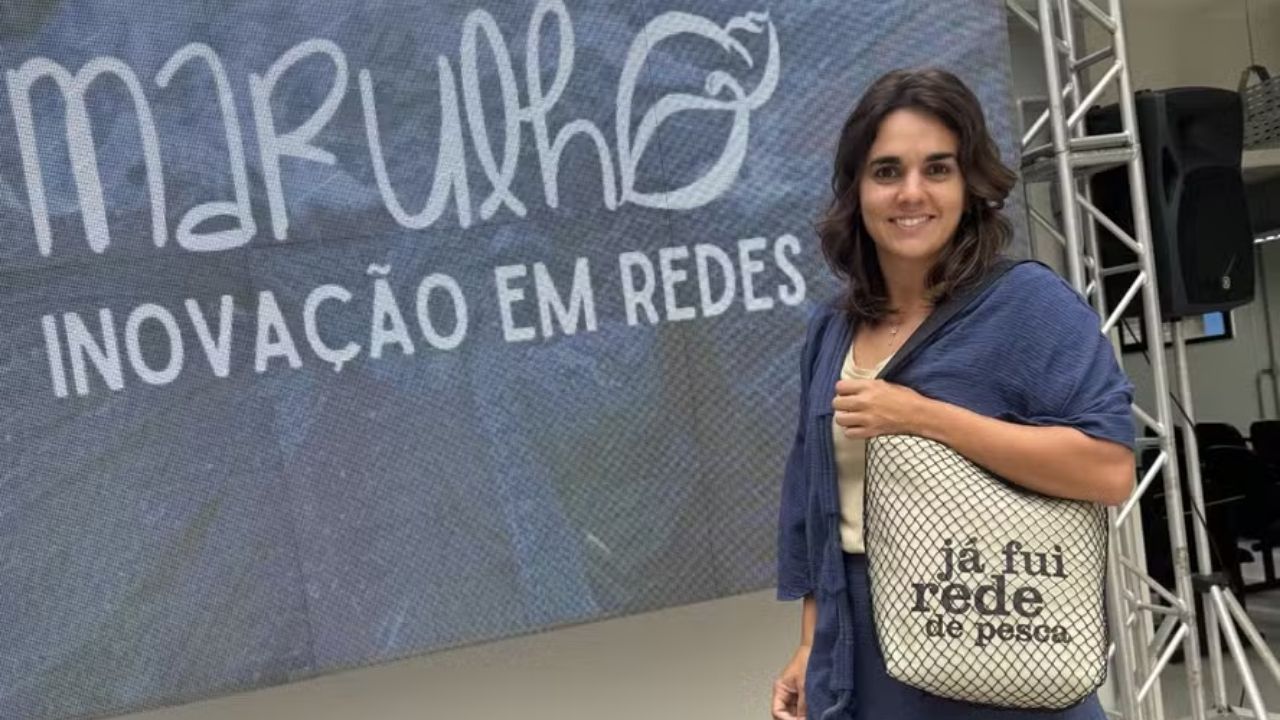
The idea for Marulho arose from a recurring scene for those living near the ocean: fishing materials abandoned or improperly discarded. As an oceanographer, Bia Mattiuzzo had already observed many fishing nets in the marine environment and realized that the problem was not only visual but also one of waste management.
-
Australia deploys poisoned sausages and uses traps, shooting, and fences in a battle against invasive cats that kill over 1.5 billion native animals annually, threatening more than 200 species.

-
NASA Rover Captures “Tired Face” on Mars, Highlighting Human Brain’s Tendency to See Faces in Rock Formations

-
Ancient Stone City in the Desert, Once Home to 30,000, Puzzles Scientists with Nabateans’ Water Mastery 2,000 Years Ago

-
Ancient Creature Thought Extinct Since Dinosaur Era Reappears, Baffling Scientists




Instead of treating the disposal as something distant, she decided to test a local solution. What was once lost at sea began to be collected, cleaned, reused, and transformed into products, connecting environmental impact, manual labor, and income generation within Ilha Grande itself.
First bags were born from a simple partnership
In the beginning, the proposal was to collect as many fishing nets as possible and find a way to use the material. For this, Bia partnered with a retired fisherman, who helped transform the nets into bags sold to tourists passing through the region.
The operation started small and with almost symbolic returns. The entrepreneur told the report that she paid R$ 5 per bag and sold them for R$ 6, reinvesting the amount back into the business. The margin was narrow, but it served to test if there was real interest in products made from sea waste.
Bags and pouches expanded the business
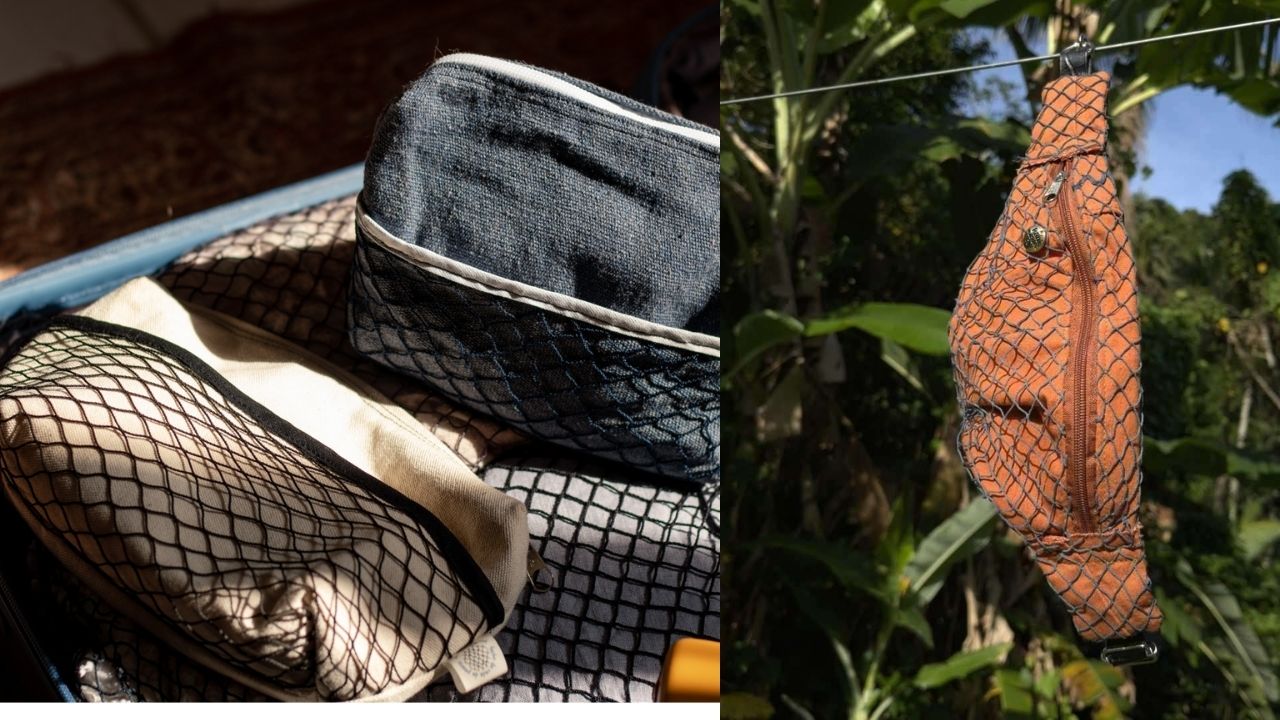
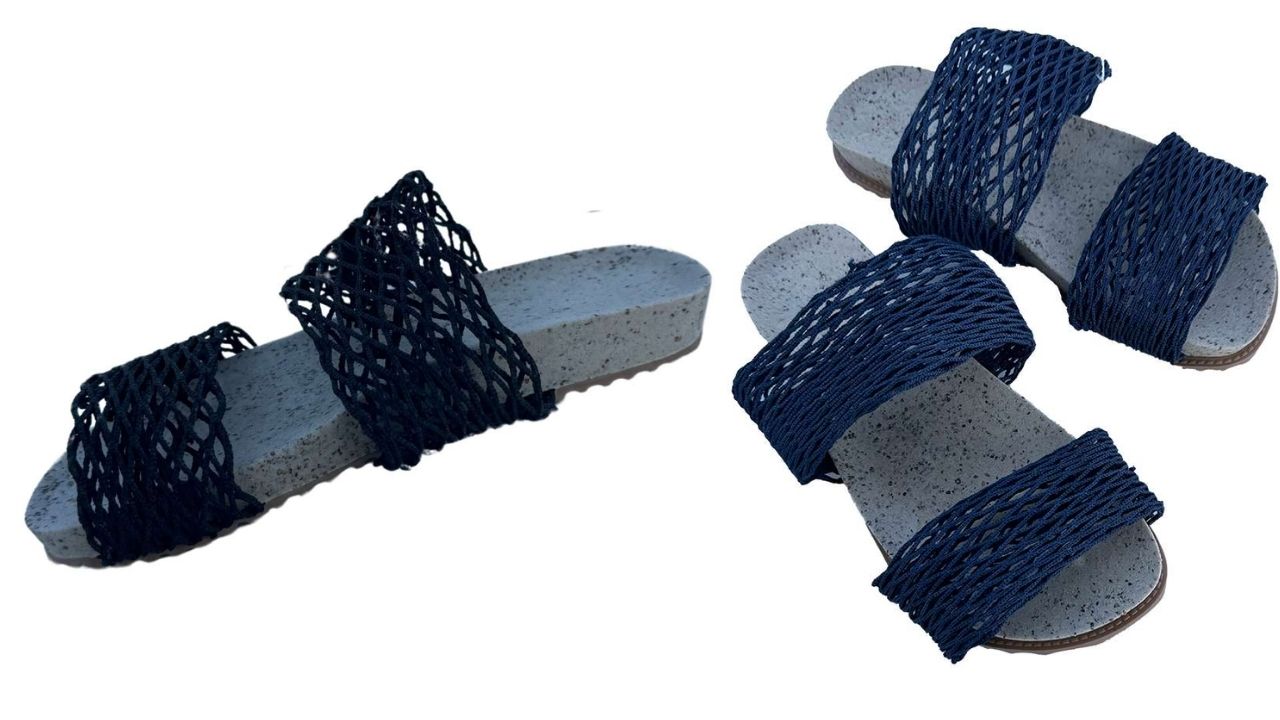
Over time, Marulho stopped selling just bags and started developing other items, such as bags and pouches. This expansion helped transform the fishing nets into a product line with more commercial appeal, without abandoning the project’s environmental origin.
The change also showed that waste reuse can go beyond a simple tourist souvenir. When there is design, finish, and story behind the product, the discarded material gains another value, especially for consumers interested in positive impact and local production.
Twenty people began participating in production
Currently, the project involves 20 people, including seamstresses, and generates income for community residents. This point is central because Marulho not only removes fishing nets from the sea but also creates a productive chain around the reuse of these wastes.
The production requires manual stages, stock organization, sewing, finishing, and sales. With this, the business creates opportunities for people in the region and keeps part of the economic value within Ilha Grande itself, instead of taking the problem away or relying only on external solutions.
Deactivated sardine factory became the base of operations
The Marulho stock is stored in a decommissioned sardine factory. The space now serves as a support to store materials, organize production, and structure the routine of a business that started experimentally and grew with demand.
Sales occur through social networks and e-commerce, allowing products made from fishing nets to reach consumers outside the island. The operation combines a deeply local origin with digital sales channels, bringing a coastal community closer to a broader market.
Growing required learning management in practice


Despite her background in oceanography, Bia had to learn to deal with areas that were not part of her initial routine, such as cash flow, people management, and commercial organization. The entrepreneur herself acknowledged to the report that she faced difficulties managing these areas.
This learning helps explain the transition from an environmental project to an impact company. Collecting fishing nets was just one part of the challenge; the other was transforming the idea into an operation capable of paying suppliers, organizing production, selling regularly, and sustaining income for others.
Environmental impact stayed close to the community
One of Marulho’s differentiators is keeping the solution close to the problem. The discarded fishing nets appear in the territory where the company operates, and the transformation of the material also takes place within the community, involving people who live around the fishing and tourism activity.
This gives the business an important local dimension. The initiative does not promise to solve the problem of marine waste alone, but it shows how a community response can reduce waste, generate income, and draw attention to the responsibility for materials abandoned at sea.
Business shows the hidden value in coastal waste
The story of Marulho reveals how waste seen as a problem can become raw material for a small but relevant economic chain. By transforming fishing nets into bags, pouches, and totes, the company combines reuse, entrepreneurship, and territorial identity.
The case also raises a larger discussion: how much waste could still become income if there were more local initiatives, technical support, and sales channels? Do you think impact businesses like this can change the relationship of coastal communities with marine litter? Leave your opinion in the comments.