Portuguese
  Spanish


Project in the Netherlands receives cigarette butts for food and aims to recycle 1 million filters to produce a bench or garden set.
A mobile cart in the Netherlands is using pancakes, food, and drinks to encourage the removal of waste from the streets. Created by WasteBar, the initiative accepts cans and cigarette butts for food, turning discarded materials into a kind of environmental credit.
Among the rewards are portions of poffertjes, small traditional Dutch pancakes. However, the proposal does not end with the delivery of the snack: during the service, the team talks with participants about pollution, waste separation, and recycling possibilities.
In 2026, the project aims to collect 1 million butts. The material will be sent to the organization UPPACT, which will convert it into a bench or garden furniture set.
-
Kenyan Company Recycles Over 10 Million Flip-Flops from Indian Ocean Beaches into Elephant and Giraffe Sculptures Sold for Up to $1,200
-
Kenyan Company Recycles Over 10 Million Flip-Flops from Indian Ocean Beaches into Elephant and Giraffe Sculptures Sold for Up to $1,200
-
Singapore to Test Carbon Capture Technology to Tackle Emissions from Waste-to-Energy Plants in Dense Urban Areas

-
Half of Brazil’s Federal Public Works Projects Stalled: Audit Reveals 11,469 Abandoned Constructions and Billions Spent Without Delivering Schools, Hospitals, or Roads

How does the exchange of cigarette butts for food work?
The dynamic created by WasteBar seeks to make cleaning public spaces simpler and more attractive. The participant collects waste found on the streets and takes it to the project’s cart. Butts and cans are among the main materials accepted. In exchange, they receive food or drinks available on site.
The amount delivered can vary. Even those who show up with just ten butts contribute to removing polluting materials from the environment. People who manage to gather a hundred filters or more increase the volume sent for reuse.
What the project offers
- receipt of cigarette butts and cans;
- exchange of waste for food or drinks;
- distribution of portions of poffertjes;
- guidance on disposal and recycling;
- forwarding of cigarette butts for transformation into new products.
The strategy uses an immediate reward to bring closer people who might not participate in a conventional environmental campaign.
Country discards up to 10 billion cigarette butts per year
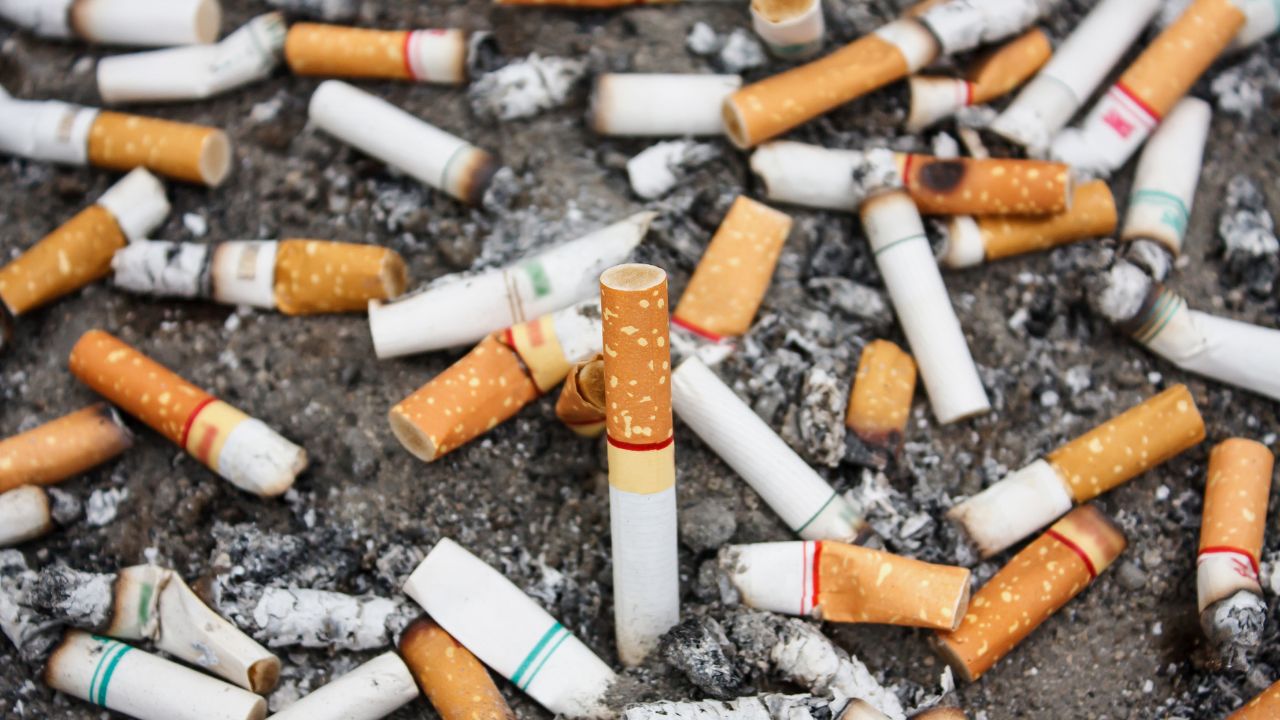
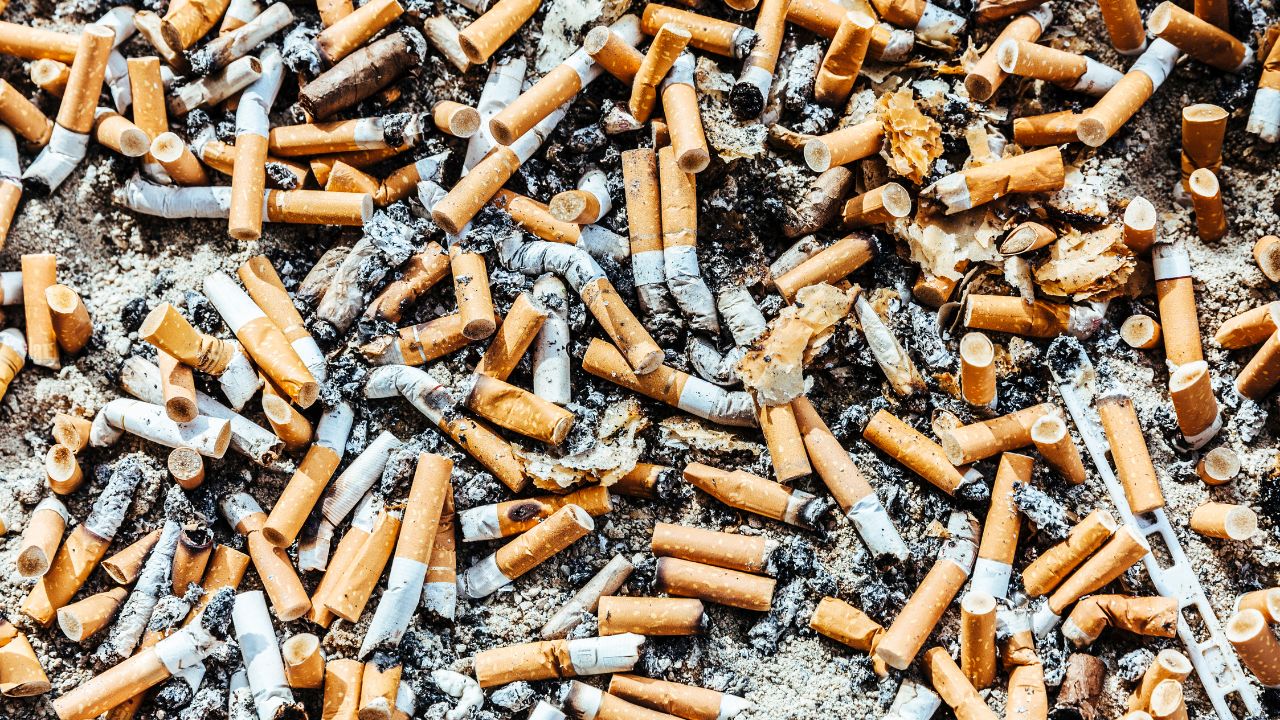
The attention dedicated to cigarette filters is related to the volume discarded annually. In the Netherlands, between 5 billion and 10 billion cigarette butts are disposed of every year. Because they are small, many end up being thrown directly on sidewalks, streets, and other public spaces.
The problem is not limited to the appearance of cities. The filters are made of cellulose acetate, a plastic material that can remain in the environment for up to ten years before decomposing.
During this interval, the cigarette butts can release nicotine and heavy metals. These substances reach the soil and watercourses, amplifying the effects caused by a waste often treated as harmless.
One million filters could become furniture
The 2026 campaign set a goal higher than previous WasteBar actions. The objective is to collect 1 million cigarette butts and forward them to UPPACT, an organization specialized in processing plastic waste and converting it into new objects.
After recycling, the material is expected to be used in the manufacture of a bench or a garden set.
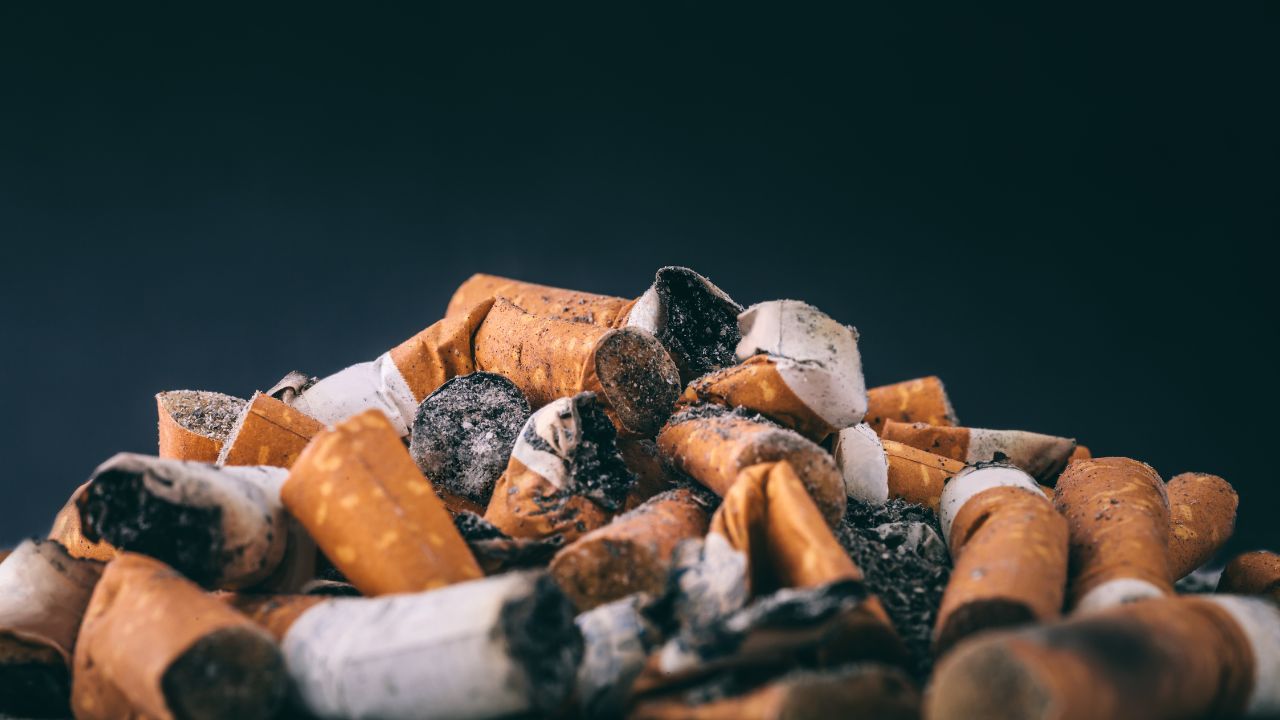
The transformation seeks to make visible the volume of waste usually scattered on the streets. Gathered in a single project, the filters cease to appear small and reveal the scale of the disposal. The furniture produced will also serve as a demonstration that part of this material can be repurposed after collection.
Partnership created a forest with 500 thousand cigarette butts
WasteBar had already used the filters in an artistic work developed with Angelina Kumar and UPPACT. The collaboration resulted in the installation Het Peukenbos, a name that can be translated as “The Cigarette Butt Forest.” The piece was constructed by Kumar with more than 500 thousand collected filters.
The installation remained on display in the city of Utrecht until September 2025. By concentrating hundreds of thousands of cigarette butts in a single creation, the artist gave visual scale to a type of pollution that often goes unnoticed when it appears scattered.
The million campaign expands this work and transfers the material from the artistic installation to an object that could have practical use.
WasteBar uses food to start environmental conversations
The distribution of pancakes serves as a point of connection between the team and the public. Those who approach the cart interested in the reward also receive information about the damage caused by cigarette butts and the proper way to separate other waste.
The approach avoids turning the activity into a formal lecture. The guidance occurs during the exchange, while participants hand over what they collected and receive the food.
In this way, WasteBar combines three actions in the same experience: removing trash from the streets, rewarding participation, and raising environmental awareness. Collecting used filters from other people may seem unattractive, especially since it involves waste associated with cigarettes.
WasteBar seeks to overcome this resistance by offering a tangible advantage to participants. The project does not require a single person to collect large quantities. The proposal considers that several small contributions can generate a significant volume when combined.
Each set of filters removed from the street no longer remains in the environment for years and becomes part of the recycling goal.
The Netherlands generates approximately 50 million kilos of waste per year, according to data presented by the initiative. Within this scenario, WasteBar seeks to change the relationship between disposal and value.
The collected material is no longer seen merely as dirt and starts to represent the possibility of receiving a reward or becoming part of a new product.
The exchange of cigarette butts for food does not alone eliminate the problem of urban waste. Even so, it creates an accessible way to involve the population and draw attention to a plastic waste that can remain in the environment for a decade.
With the goal of 1 million filters in 2026, the project aims to show that even a small and highly polluting object can be removed from the streets, go through recycling, and return to the city in a completely different form.
With information from Ciclo Vivo