Portuguese
  Spanish




Compact Model Revolutionizes the Electric Segment in 2025, Leading by Reduced Price, Urban Efficiency, and Adequate Autonomy for Daily Use. Option Attracts Consumers Focused on Economics and Search for Innovation in Brazil.
The Brazilian electric vehicle market has undergone significant transformations in recent years, driven by both technological advancements and a growing search for more economical and sustainable alternatives.
In 2025, one model stands out as the cheapest electric car in Brazil, surprising consumers who expected to see brands like BYD, Fiat, or Toyota leading this segment.
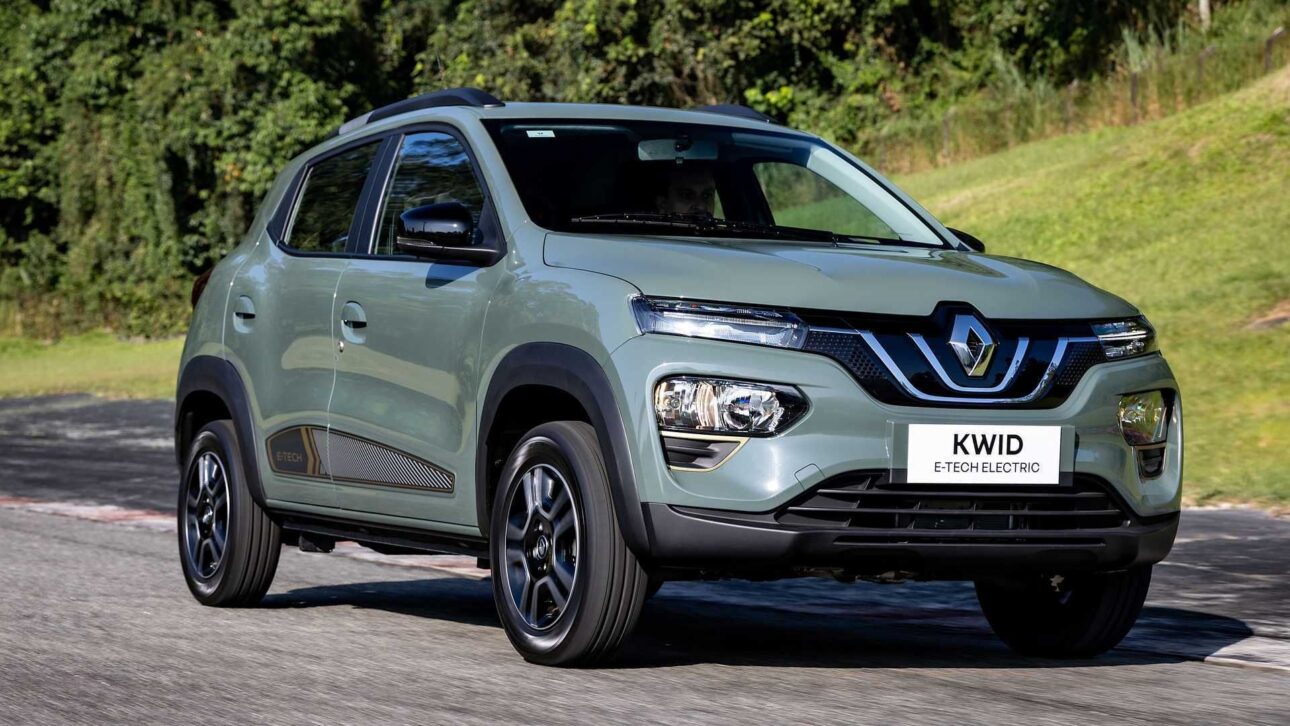
The title, however, goes to the Renault Kwid E-Tech, which holds the position of the most accessible electric vehicle in the country, with a starting price of R$ 99,990, according to official information from the French automaker and market updates.
-
Toyota Corolla Hybrid Achieves 17.5 km/l in City with Self-Charging System and Regenerative Braking, Offering a Spacious and Quiet Ride Without Needing a Plug

-
Land Rover Issues Recall for Airbag Connector Fault Affecting 250,857 Vehicles in the US, Alerting Drivers in Brazil for Official Notice

-
Brazilian Electric Motorcycle Once Promised 180 km Range and Affordable Price, Now Faces Uncertain Future Amid Delays and Manufacturer’s Bankruptcy
-
Chery Stockman 2026 Unveiled: Larger Than Toyota Hilux, Featuring Unique Plug-In Hybrid Diesel Engine, 3.5 Ton Towing Capacity, and 1,000 kg Payload to Challenge Traditional Off-Road Trucks


Competitive Price and Market Strategy
The arrival of the Renault Kwid E-Tech in Brazil originally happened in 2022, with a suggested value of around R$ 143 thousand.
Two years later, Renault adopted an aggressive pricing strategy, significantly reducing the price of the compact urban vehicle imported from China.
With this decision, the model not only became the cheapest electric vehicle in Brazil in 2025, but also increased competition between automakers, which began to seek alternatives to keep up with the new price reality of the sector.
Autonomy, Performance, and Features
The Renault Kwid E-Tech is equipped with an electric motor of 65 horsepower, which enables acceleration from 0 to 50 km/h in 4.1 seconds and a top speed of 130 km/h.
Another highlight of the model is its autonomy, which can reach up to 185 kilometers with a full charge, according to data provided by the manufacturer.
The vehicle also offers basic connectivity and safety features, such as air conditioning, electric steering, electronic stability control, and hill start assist.
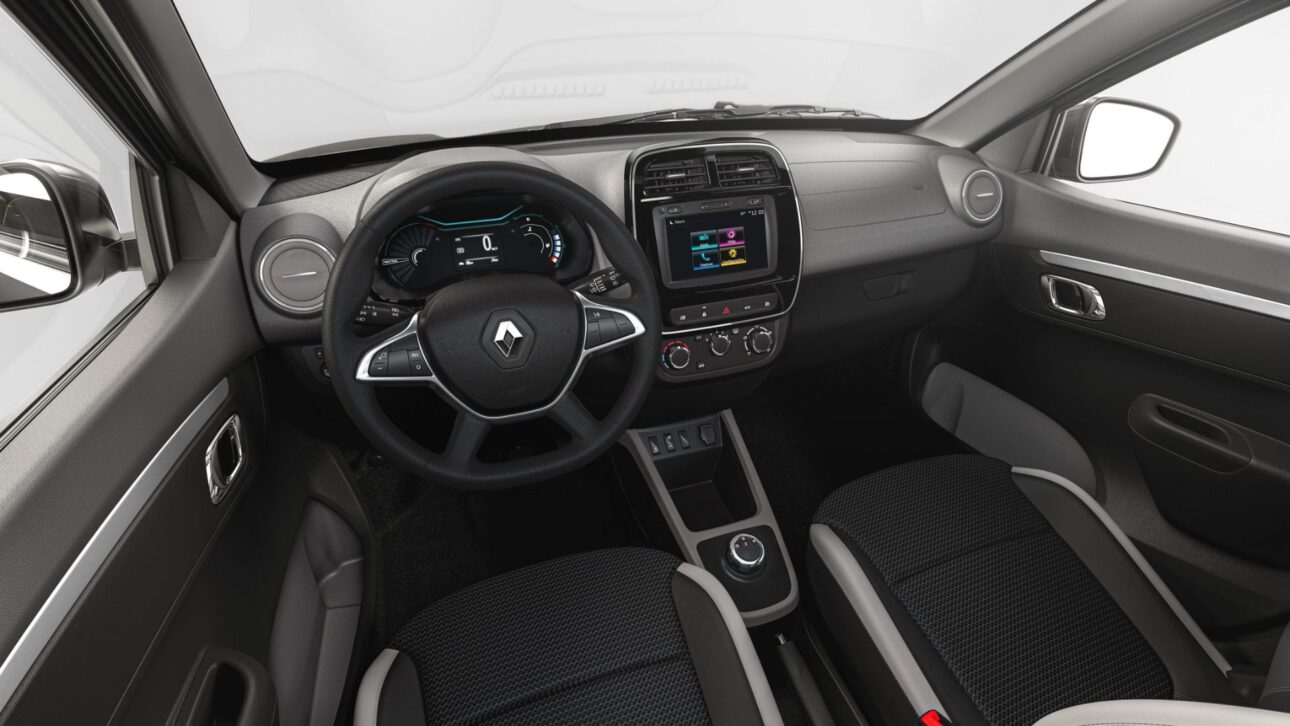
Additionally, the compact presents a renewed look, with modern lines and a simplified interior finish, which helps maintain a competitive price against major rivals.
Price Comparison Among Compact Electric Vehicles
The price difference between the Kwid E-Tech and other electric cars available in Brazil in 2025 is significant.
Models that position themselves in the same entry-level range, such as:
- Caoa Chery iCar (R$ 119,990)
- Neta Aya (R$ 128,900)
- JAC E-JS1 (R$ 132,900)
have prices considerably higher than that of Renault’s compact vehicle.
Even the BYD Dolphin Mini, which leads national electric vehicle sales, enters the market starting at R$ 118,800 — approximately R$ 20 thousand more than the Kwid E-Tech, according to updated pricing tables.
Thus, for those seeking the lowest entry cost to transition from combustion to the world of electric vehicles, the Renault Kwid E-Tech emerges as the most accessible and practical option in 2025.
Incentives and Expansion of the Electric Vehicle Market
The popularization of electric vehicles in Brazil has been accompanied by a series of government incentives and changes in consumption profiles.
According to data from the Brazilian Electric Vehicle Association (ABVE), the number of registrations for electric and hybrid cars has been steadily increasing since 2023, highlighting compact and urban models.
The total cost of ownership, which includes lower maintenance and less spending on electricity compared to gasoline, also influences the purchase decision.
In addition, state and municipal policies, such as IPVA exemption in some states, contribute to increasing interest in the segment.
Challenges and Consumer Profile
Despite holding the title of the cheapest electric car in Brazil in 2025, the Renault Kwid E-Tech still faces challenges in winning over consumers used to combustion vehicles.
Among the main factors weighing on the purchase decision are the limited autonomy — sufficient for urban use, but below expectations for longer trips — and the charging infrastructure, which, despite recent advances, remains concentrated in large urban centers.
According to Renault itself, visual and performance improvements are expected in the coming months, aiming to make the model even more competitive against new industry developments.
The electric vehicle consumer profile is also diversifying.
Initially, the first buyers of battery-powered vehicles sought technology, sustainability, and long-term savings.
In 2025, this profile expands to drivers prioritizing acquisition cost, practicality for daily use, and ease of maintenance.
The Kwid E-Tech, due to its affordable price, starts to cater to both new users and those looking to gradually transition to electric mobility.
Perspectives for the Coming Years
The automotive sector expects the trend of price reduction and model diversification to continue in the coming years, with more options for compact and affordable electric vehicles.
Chinese, European, and even traditional automakers have been heavily investing in production lines and strategic partnerships to expand the availability of electric cars in the country.
However, for those looking to enter this universe spending the least possible in 2025, the Renault Kwid E-Tech is the most straightforward answer.
In a scenario where price is a determining factor, the cheapest electric car in Brazil in 2025 offers an entry point to sustainable mobility, even amid challenges such as autonomy, charging infrastructure, and usage profiles.
Would you have an electric Kwid in your garage or prefer to bet on models from brands like BYD, Fiat, Toyota, Caoa Chery, or JAC?