






 Portuguese
  Spanish
  4 min of reading
  0 comments



Five Common Causes Explain Why The Car Does Not Accelerate Correctly And How To Act To Avoid Greater Risks And Losses.
Few mechanical problems are as frustrating as pressing the accelerator and realizing that the car does not accelerate. This can happen in two ways: the vehicle does not respond at all or accelerates much less than it should. In both cases, understanding the possible causes is the first step to resolving the situation.
It is important to remember that regular maintenance significantly reduces the chances of problems. However, older vehicles or those with high mileage remain susceptible to acceleration failures.
Therefore, identifying symptoms and acting quickly is essential to avoid risks while driving.
-
New Honda HooRide 125 scooter debuts in China with ADV styling, 17-inch wheels, TFT panel, Smart Key, and fuel consumption of up to 47.17 km/l, aiming to resemble an urban X-ADV with a 125 engine, CVT transmission, and an economical proposal for cities.

-
Volkswagen focuses on ethanol and tests a Saveiro 100% alcohol-powered with a recalibrated engine; the project may ensure tax reduction, targets corporate fleets, and revives technology that lost ground since the arrival of flex-fuel vehicles in 2003.

-
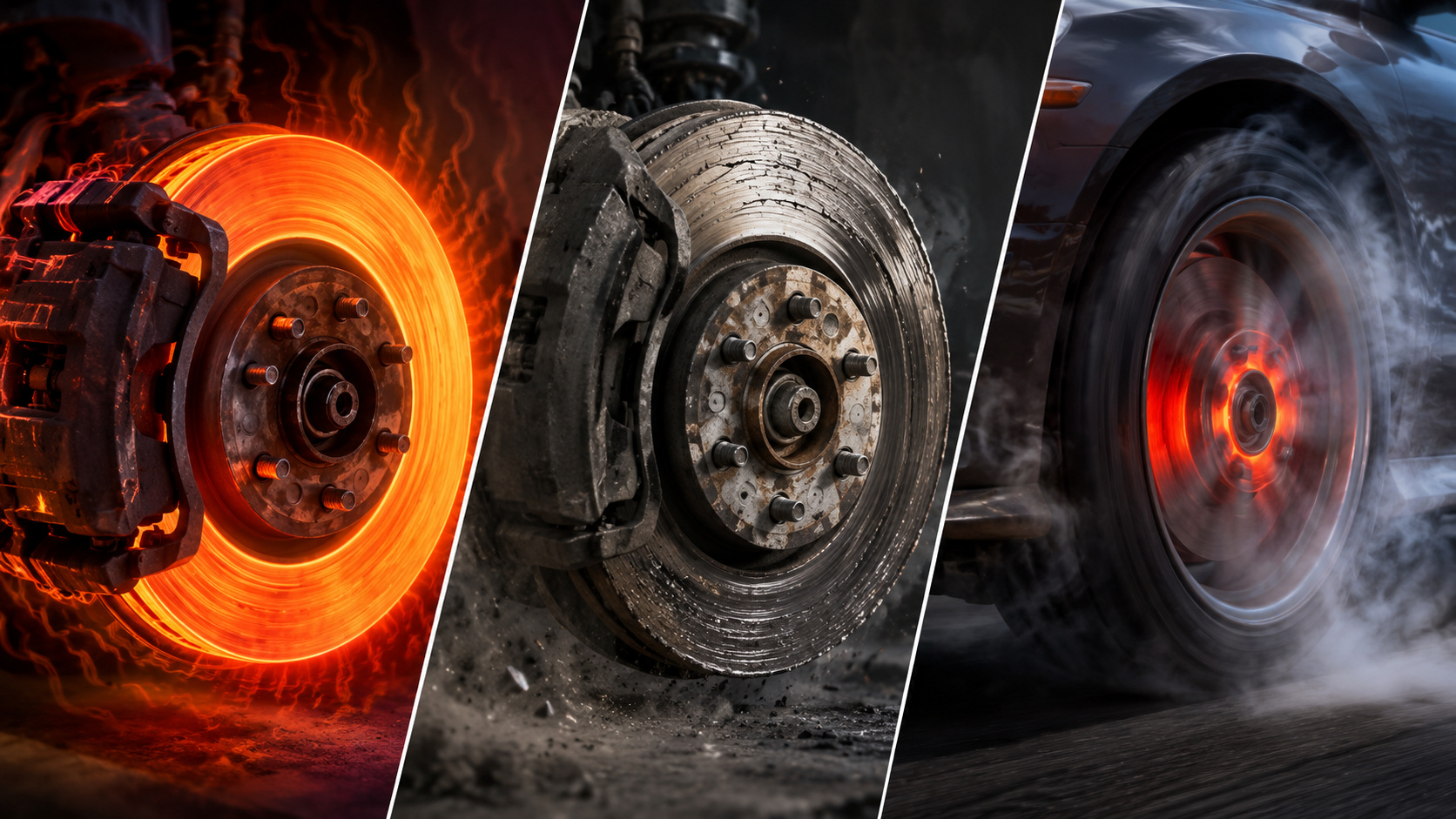
Keeping your foot lightly on the brake pedal while driving may seem harmless, but mechanics warn: this habit generates constant heat, wears out the pads too quickly, and can warp the discs, making braking expensive and dangerous.

-
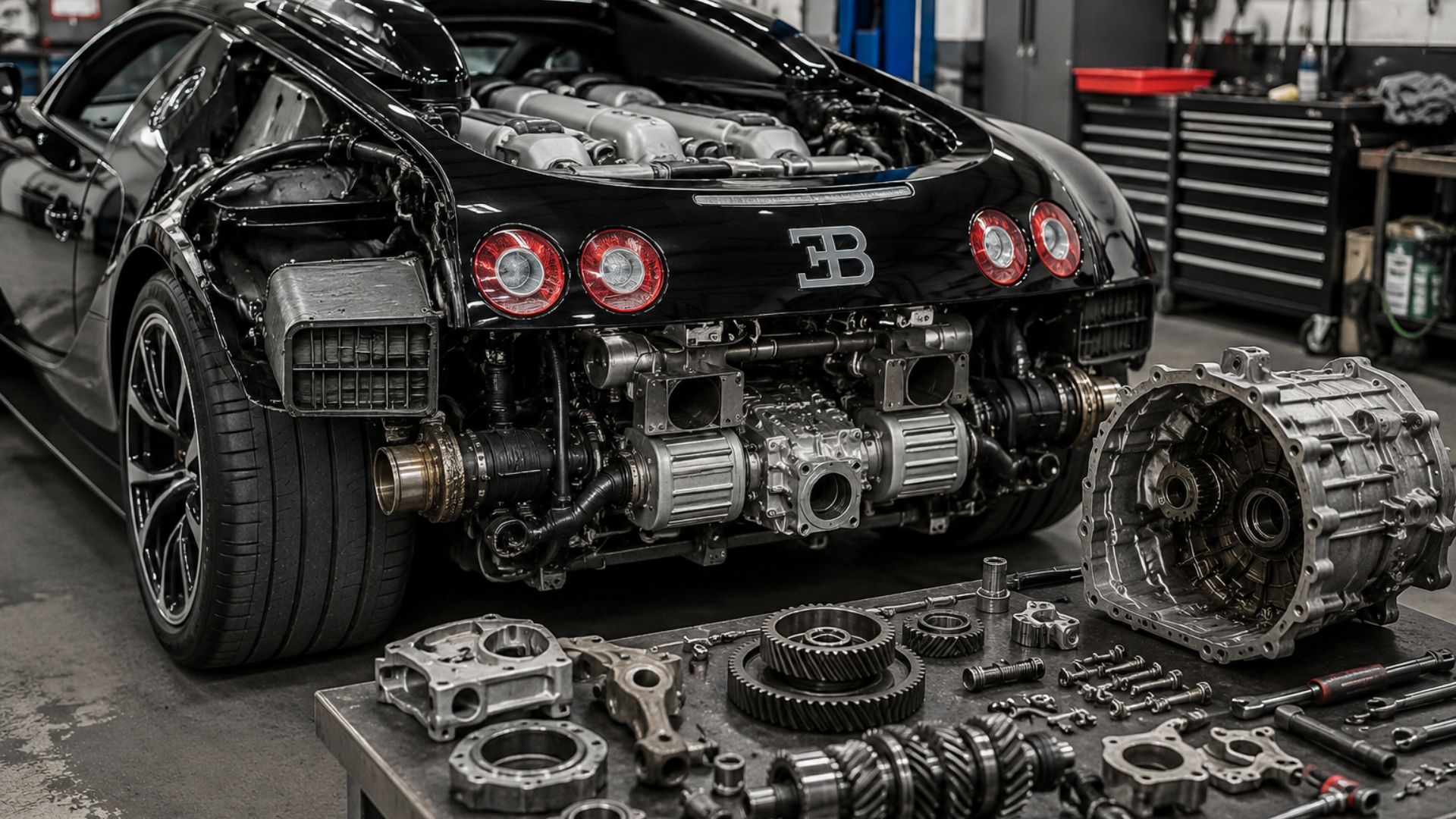
The YouTuber Mark McCann bought a Bugatti Veyron for almost $1.2 million, but discovered that the supercar’s gearbox is so damaged that even Bugatti itself won’t accept to repair it, and the repair could cost a fortune.


The Clutch As The Main Suspect
In almost 90% of occurrences, the clutch is responsible. When it fails to engage the transmission correctly with the engine, the car loses its ability to accelerate.
Worn pedal or inadequate clutch fluid levels are often among the reasons.
The fluid should not be below the minimum or above the maximum. Additionally, a loose clutch or gear shifting without a change in RPM indicates that the problem lies within this component. In such cases, immediate inspection is the best alternative.
ECU Errors
The Electronic Control Unit, ECU, may also be at the root of the failure. A reading error, such as sensors detecting excessive pollution, can induce the system to gradually reduce engine power.
When this happens, acceleration is compromised. Incorrect readings from faulty sensors require professional diagnosis. Only a workshop can accurately identify and rectify the problem.
Dirty Fuel Filter
A very dirty or damaged fuel filter prevents clean fuel from reaching the engine. Blockage reduces the amount of available fuel, which directly affects acceleration.
If the filter is torn, the risk is even greater. Dirt in the engine can cause serious and costly damage.
The solution involves cleaning or replacing the filter, ensuring that fuel arrives in ideal conditions.
Timing Belt Problems
A worn or improperly installed timing belt also hinders acceleration. Curiously, even a recently replaced belt can cause the problem if it is misaligned.
Improper installation worsens performance and can generate additional damage. Therefore, it is essential that the replacement is performed by a qualified mechanic.
Vacuum Hose Leaks
Vacuum hoses carry air and fuel to different parts of the engine. Holes or dirt buildup in these connections compromise the system’s operation.
When there are leaks, the car loses power and acceleration is impaired. Visual inspection and replacement of defective hoses resolve the issue.
How To Act In The Event Of A Failure
A car that does not accelerate can be dangerous, especially uphill or when entering highways. Therefore, it is essential to seek an immediate solution.
Most of the time, the recommendation is to take the vehicle to a workshop for inspection, maintenance, or repair. However, in simple situations, it is possible to perform temporary actions.
On uphill journeys, the low air density can hinder performance. Cleaning the air filter and injectors helps alleviate pressure on the engine, allowing it to function better again.
Another situation involves the emergency brake system. In some cases, it is activated unnecessarily, slowing down or even stopping the car. When this happens, it is necessary to check the system and, if needed, replace it.
If the failure is related to the level or quality of the fuel, the solution is simple. Just keep the tank full and use good quality fuel.
Frequently Asked Questions
Why Does The Car Not Accelerate When Pressing The Accelerator? Causes range from simple to complex. It could be a clogged air filter, low fuel, a faulty fuel pump, or transmission problems.
Ignition system failures, exhaust restrictions, or malfunctioning sensors may also occur.
The Car Accelerates But Does Not Gain Speed. Why? In this situation, the engine runs, but power does not reach the wheels.
This is common in cases of transmission problems, clutch defects, or issues with components like the drive shaft.
The Car Does Not Accelerate, But The RPMs Rise. What Does It Mean? This symptom is typical of slipping transmission, low transmission fluid, or a faulty torque converter.
Dealing with a car that does not accelerate is frustrating and can be dangerous. While a worn clutch is the most frequent cause, other issues — such as a dirty fuel filter, misaligned timing belt, or vacuum hose leaks — also deserve attention.
Resolving the defect quickly prevents greater losses and ensures more safety while driving.





Be the first to react!