Portuguese
  Spanish


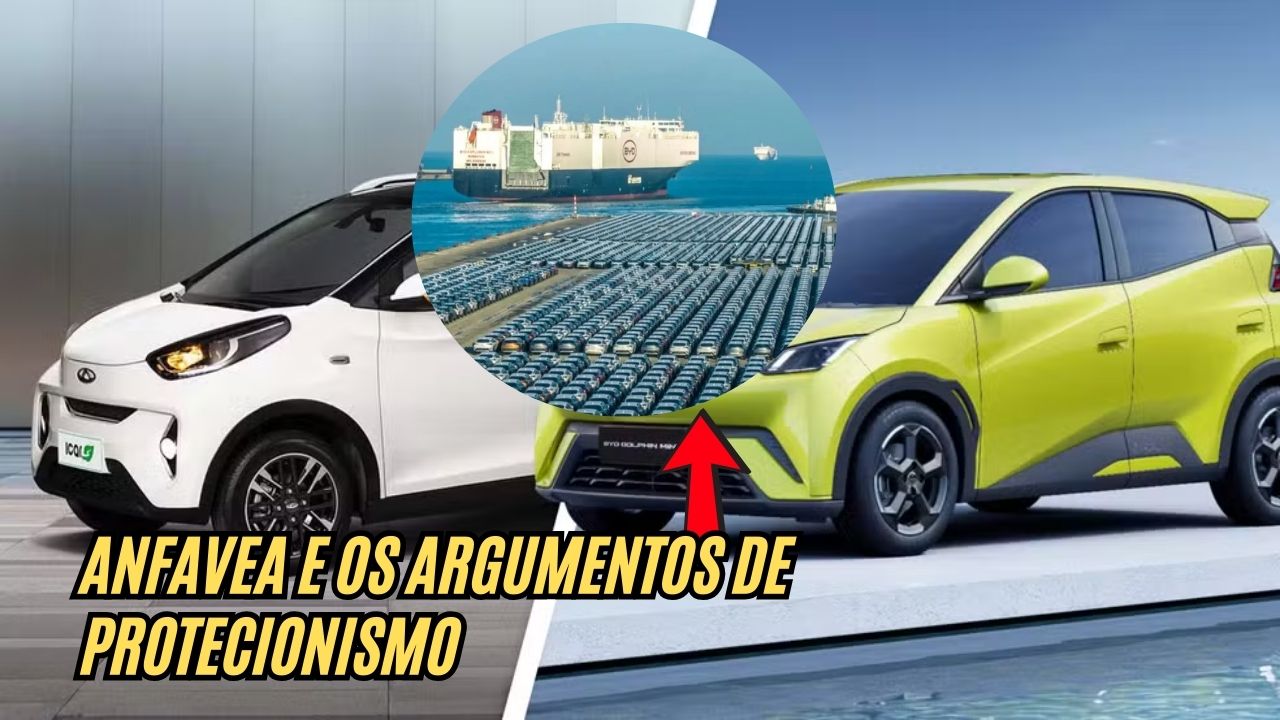

The Clash Between Electric Cars and Anfavea Intensifies, with Deep Impacts on the Automotive Sector. Find Out What’s at Stake.
The arrival of electric cars in Brazil, especially from Chinese manufacturers, has brought a new wave of innovation and accessibility to the market. With advanced technology and more competitive prices, these vehicles quickly attracted the attention of consumers seeking more economical and sustainable options.
This movement has generated a reaction from Anfavea, the National Association of Automotive Vehicle Manufacturers, which represents traditional manufacturers. However, the real question goes beyond simple competition: is the arrival of the electric car in Brazil truly challenging the conventional model? And why does Anfavea seem so troubled?
Electric Cars: A New Mobility Alternative
Initially discreet, Chinese electric and hybrid cars have made a profound impact on the Brazilian market. Equipped with cutting-edge technology, such as semi-autonomous driving, battery monitoring, and cloud software updates, these vehicles offer a premium experience previously reserved for luxury models.
-
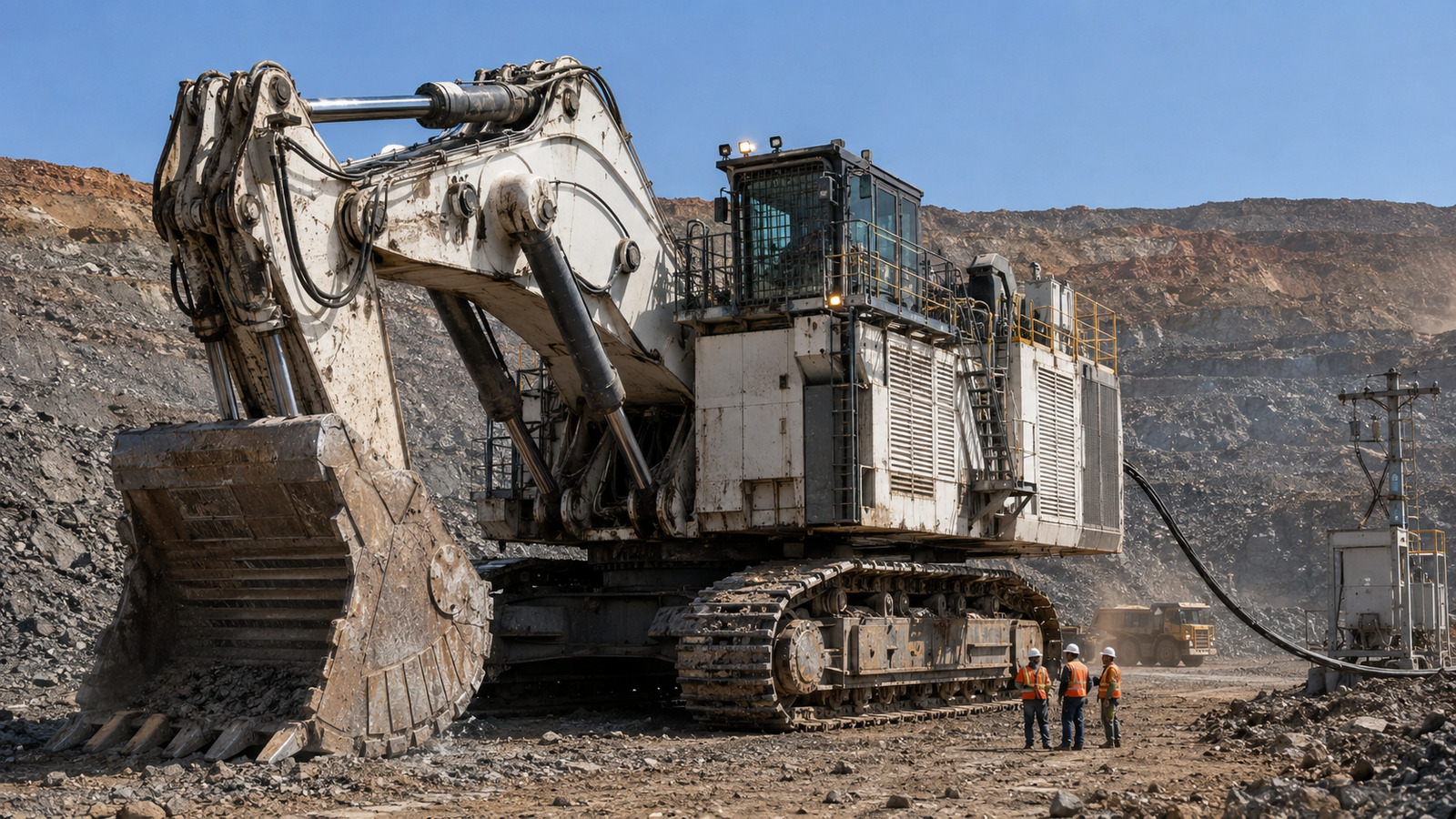
Unprecedented achievement in India: a colossal 650-ton, nearly 3,000 hp excavator is transformed into 100% electric, marking a new phase in heavy mining.

-
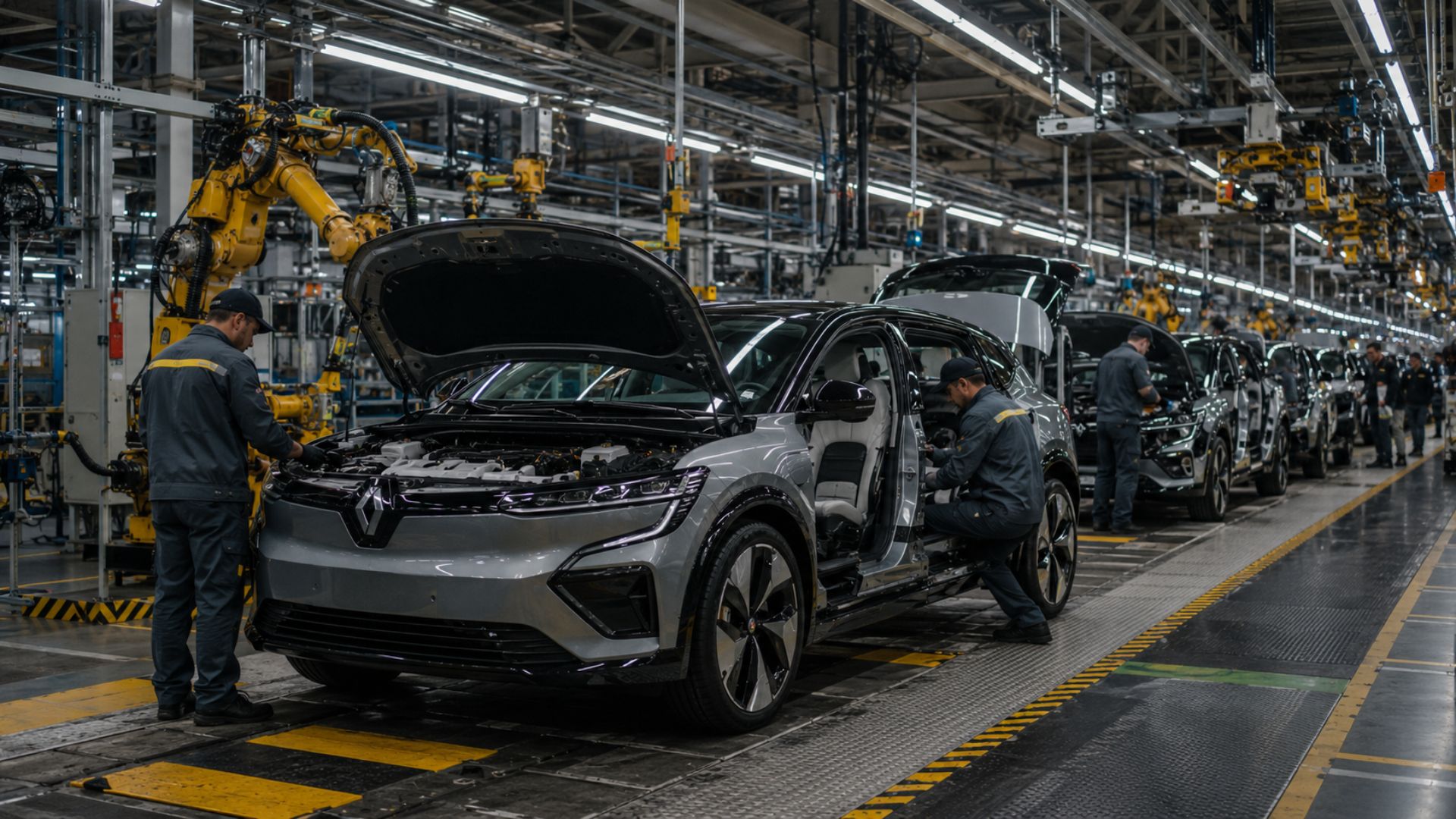
Frightened by the speed of Chinese manufacturers, Renault decided to mimic the pace, made the new electric Twingo in just 21 months, wants to repeat the feat with 36 models by 2030, and along the way, will cut up to 2,400 engineering positions.

-
Chinese battery from Dongfeng promises to exceed 1,000 km without relying on liquid electrolyte, and the detail behind the technology could change the electric car competition.

-
The end of the automotive combustion era has already begun, but many in Brazil have not yet realized the magnitude of the shift towards Chinese electric cars.
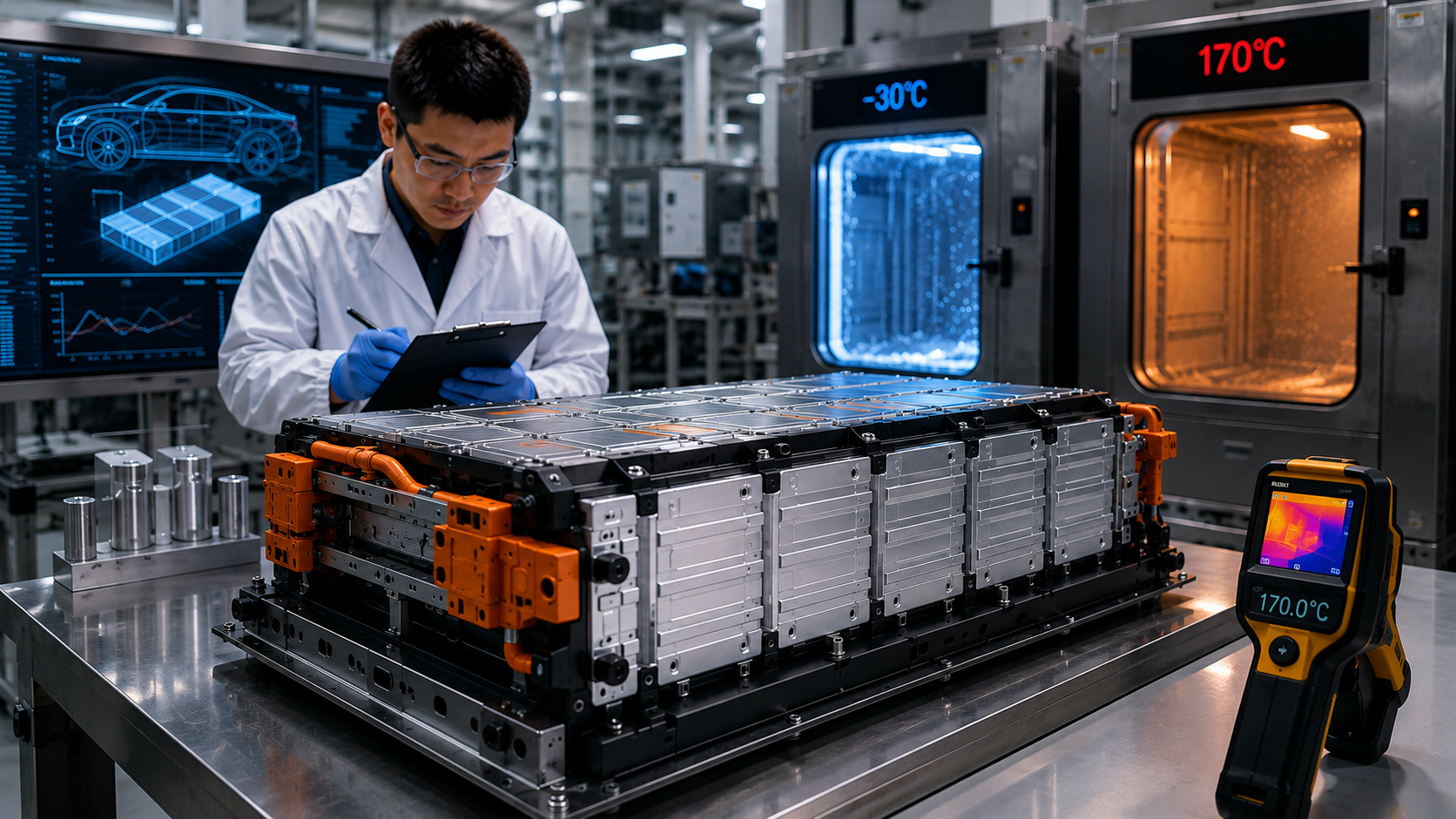
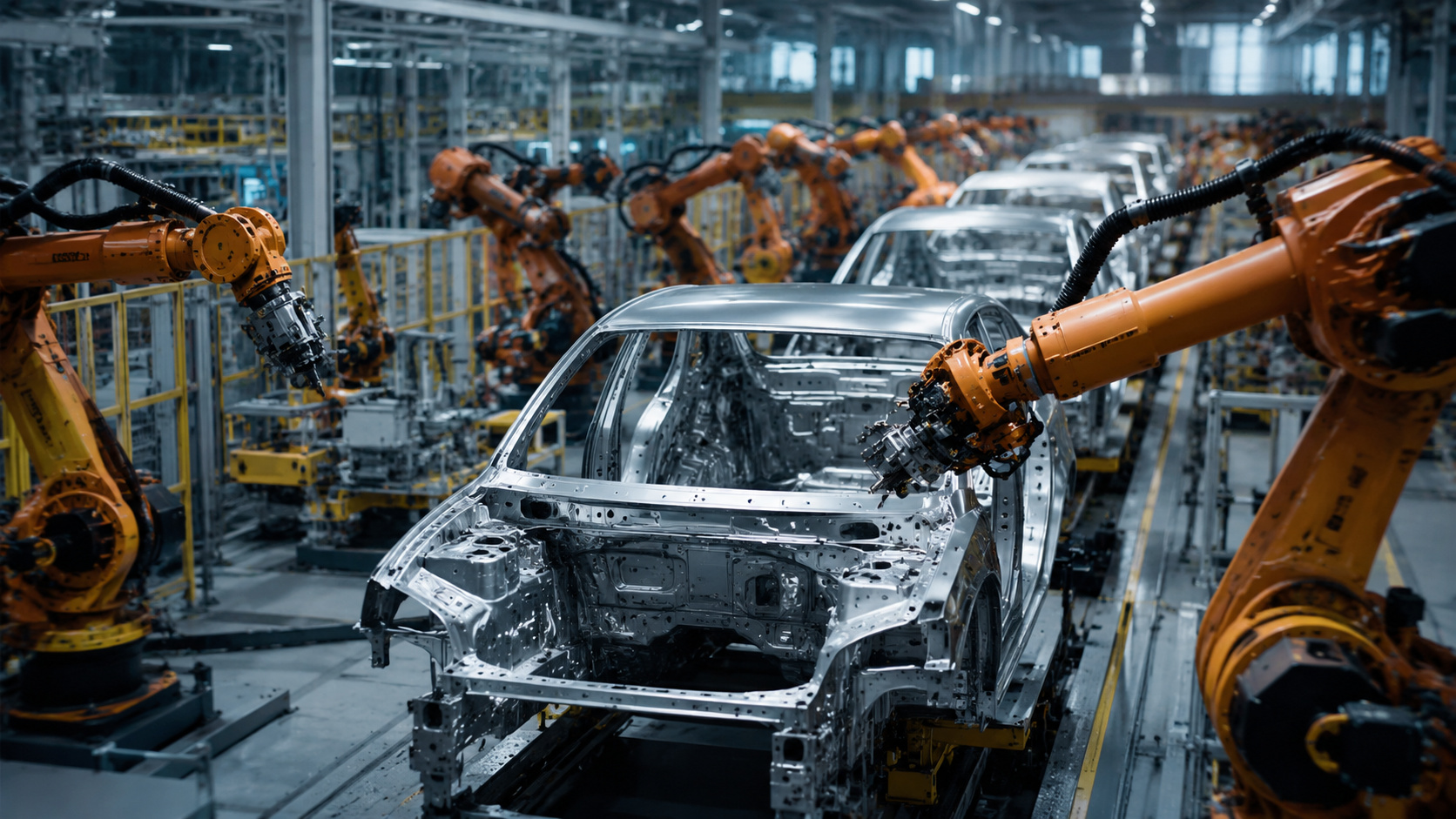
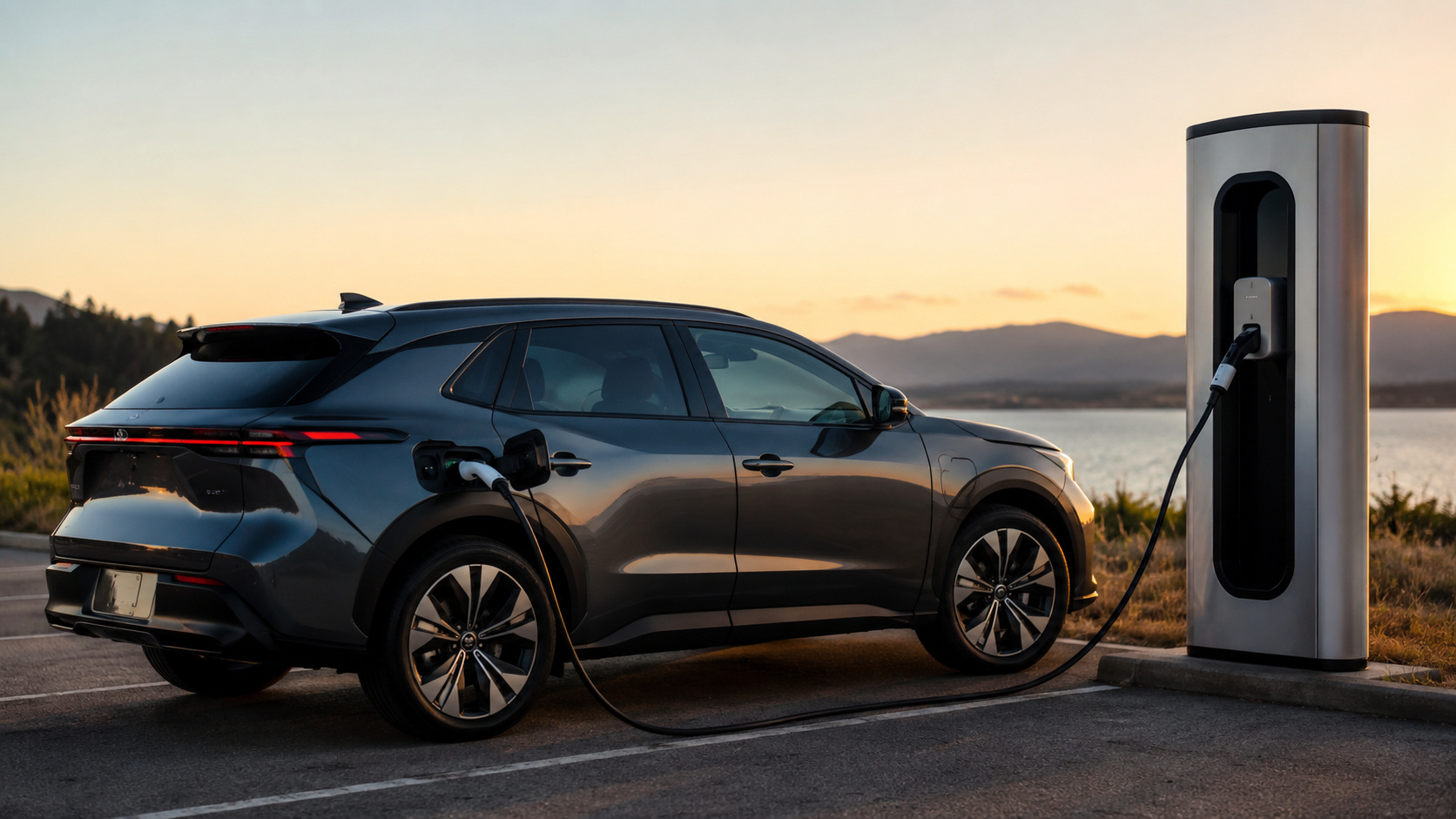
For many Brazilians, the electric car represents not only a significant saving on fuel and maintenance but also a chance to contribute to a more sustainable future.
Anfavea, in turn, expresses concerns about the increase in imports, pointing to logistical bottlenecks that could affect the distribution of domestic vehicles.
Anfavea and the Protectionism Arguments
Anfavea argues that the growing importation of Chinese electric cars congests Brazilian ports and complicates logistics for vehicles produced in the country.
Experts, however, question this justification, recalling that Brazilian port infrastructure has faced long-standing challenges. Is the increase in electric cars the true culprit? Or is Anfavea trying to protect local manufacturers that have not invested much in innovation?
This dilemma raises the hypothesis that Anfavea may be more interested in preserving the status of traditional manufacturers than in promoting healthy competition.
Brazilian Consumers: More Aware and Demanding
The Brazilian consumer is more attentive to environmental issues and the cost-benefit of the products they consume. With the arrival of the electric car, an opportunity that once seemed distant arises: access to modern and sustainable vehicles at an affordable price.
The range of electric car batteries has evolved significantly, with some Chinese models promising up to 400 km on a single charge, making them viable for urban use and medium-distance travel. This appeal places the consumer in a decisive position and challenges traditional manufacturers to rethink their strategies.
The Challenge of the Brazilian Automotive Industry
The Brazilian automotive industry, historically protected by policies that limit external competition, faces a turning point. For decades, manufacturers operated in a comfort zone, with few options for innovation and development.
The arrival of Chinese electric cars exposes the need for adaptation, showing that the old production model, based on fossil fuels and limited in innovation, is starting to lose relevance.
Some international brands have already moved ahead, launching electric and hybrid models that combine energy efficiency and connectivity, while Brazilian manufacturers still face barriers such as a lack of infrastructure and high research and development costs.
Infrastructure

The arrival of electric cars is not just a new transportation option, but the beginning of a revolution in Brazilian mobility. With an increasingly aware audience regarding environmental impacts and the economic benefits of electric mobility, Brazil is starting to experience a transformation.
Cities around the world are already investing in infrastructure for electric vehicles, and Brazil will need to do the same, with efficient charging networks and incentives for sustainable transport. This new scenario, where the consumer can choose between electric cars and traditional models, puts Brazil on a path of innovation and sustainability.
The competition between electric cars and Anfavea is, above all, a reflection of the transition to a more modern and sustainable mobility.
It remains to be seen how traditional manufacturers will respond: will they continue with a fossil fuel-based model, or will they seek innovations to meet new demands? The Brazilian market is at a crossroads, where the power of decision is, more than ever, in the hands of consumers.