Portuguese
  Spanish


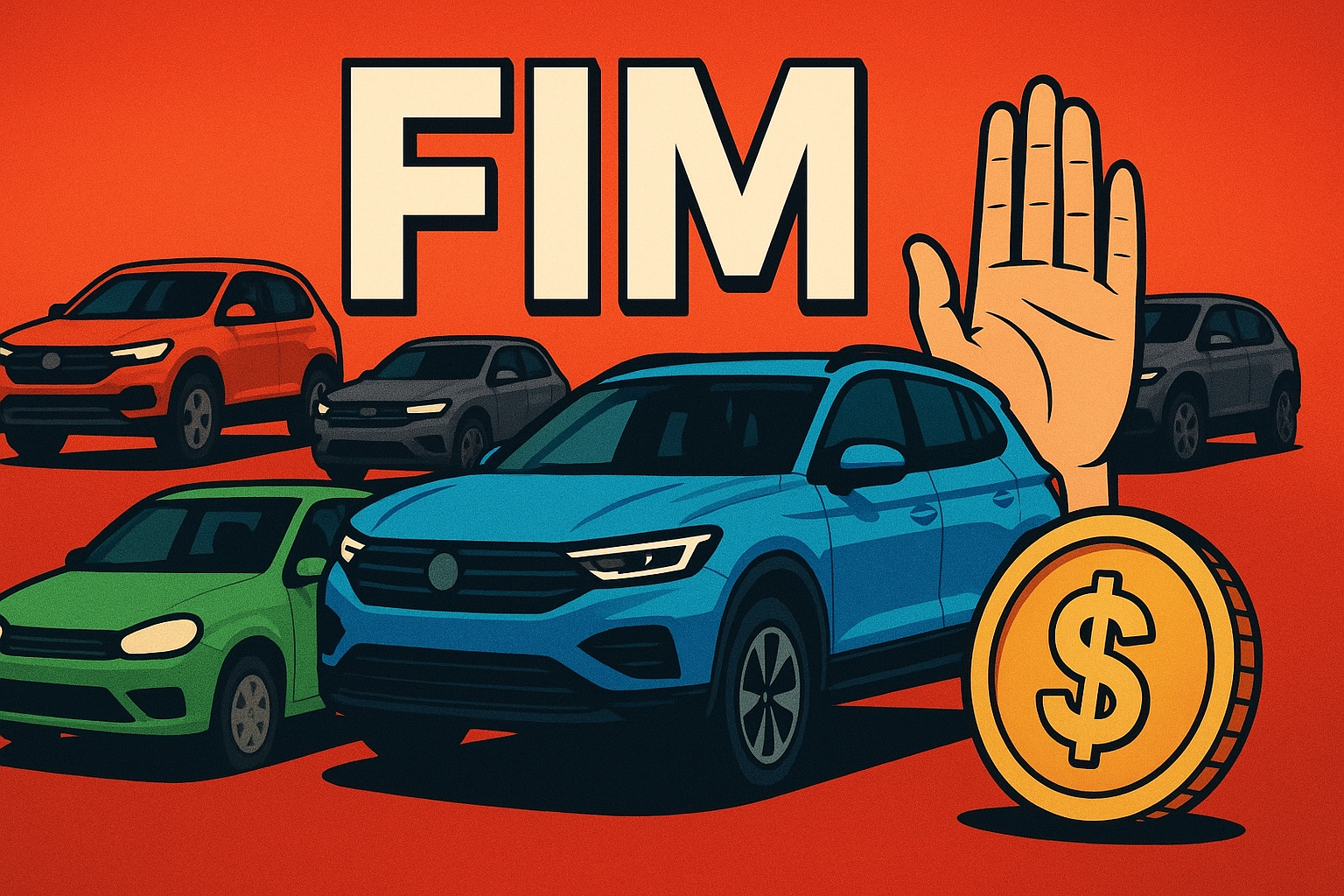

The Popular Car Has Its Days Numbered in Brazil. Neither the Green IPI nor the Sustainable Car Keep Prices, and Expensive SUVs Dominate the Streets.
What Is Happening with Popular Cars in Brazil?
The Brazilian Automotive Market is undergoing a troubling transformation. Since July 11, 2025, when the Sustainable Car program with the so-called Green IPI came into effect, the government promised to give new life to entry-level models.
The logic was simple: reduce taxes for 1.0 cars produced in Brazil with a higher recyclability index, thus stimulating consumption.
But reality faced off against optimism. Sales of popular cars did not respond. And worse: consumers are increasingly being pushed towards SUVs, which cost double or even triple the promised “cost-benefit” of the public policy.
-
Chevrolet’s Parent Company to Invest Billions in Brazil to Modernize Factories, Update Cars, and Accelerate Hybrid Launch by 2028

-
Practical Driving Tests in Brazil Surge by 23.5%, Exceeding 2.2 Million by 2026, as New Rules Make the Process Cheaper and Simpler
-
Brazil’s Lula Government Allocates $463 Million Quota for Electric Car Parts, Waives Import Tax Until December, Sparking Competition Among BYD, Automakers, and Unions as Consumers Question Impact on Prices and Local Industry

-
Thinking of Installing LED Headlights? Why Replacing Halogen Bulbs is Still Banned, the Glare Risks Authorities Worry About, and How a New Proposal Could Allow Certified, Safe Installations


The Failure of the Green IPI
The Green IPI was sold as a relief for the Brazilian wallet. However, the numbers show that the effect was practically null.
In August, 49.4% of the 214,490 vehicles registered in Brazil were sold to fleets, not to regular consumers. This means that almost half of the new cars leaving dealerships do not reach the hands of families but rather of companies that can negotiate in bulk.
Furthermore, the few remaining subcompacts, such as the Renault Kwid and Fiat Mobi, only survive because 91.12% and 97.62% of their sales, respectively, go to legal entities. In other words, in retail, where the actual consumer is, they have practically disappeared.
SUVs Take the Place of Entry-Level Cars
While the sustainable car stalls, SUVs dominate the market. According to data from Fenabrave analyzed by K.LUME Consultoria, the best-selling models in retail were precisely the compact and medium SUVs, all priced above R$ 150,000.
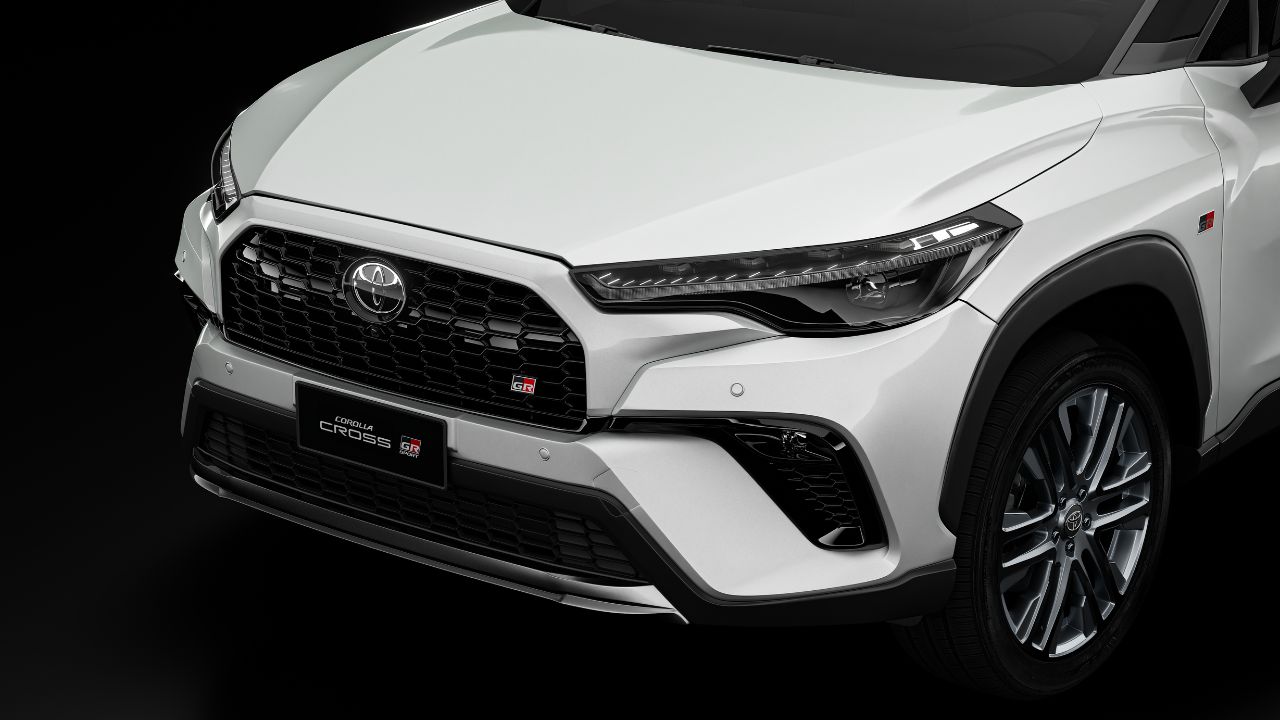
The Toyota Corolla Cross illustrates this phenomenon well. With a starting price of R$ 188,990, it ranked third in sales for the month, with 7,737 units. Right behind were the Volkswagen T-Cross, with 7,702, and the Hyundai Creta, with 6,649.
In other words, the Brazilian consumer who still buys cars in retail prefers to invest heavily in SUVs. The supposed “popular” car has become a museum piece.
Do Popular Cars Still Have a Future?
The great irony is that the public policy called the Sustainable Car has not sustained anything. The government bet that the Green IPI would create an incentive capable of keeping entry-level vehicles alive.
But, in practice, what was seen was the opposite: the cost-benefit disappeared, and the dream of the popular car became even more distant.
The cruel question that remains is: will popular cars have any space in Brazil’s future? Or has the country silently declared the end of an era in which it was possible to buy an “entry-level” car without needing a legal entity or a million-dollar account?