Portuguese
  Spanish


Porsche’s registered innovation reveals how e-ink digital paint can transform automotive design with instant color changes and new visual functions
Porsche has advanced in the development of automotive technologies by registering, in 2023, with the United States Patent and Trademark Office (USPTO), an innovative digital coating concept, attracting industry attention. The registration presents the so-called e-ink digital paint, capable of changing body colors and patterns in real-time, without relying on traditional paint. This system works with layers of electrodes that react to different electrical voltages, immediately modifying the material’s appearance. The proposal indicates a significant advance in automotive design, as it allows the vehicle to change color or display designs instantly with a simple command.
How digital paint works reveals technical advancement in the automotive sector
The operation of e-ink technology is based on a structure composed of layers that respond to electrical stimuli, reorganizing the visual aspect of the surface. This process eliminates the need for conventional painting or wrapping, making personalization more agile and practical. The technology represents a direct evolution compared to traditional solutions currently used, as it allows visual changes without physical interventions on the bodywork. The system relies on precise electronic control, ensuring quick responses and instant changes, which enhances the proposal’s efficiency.
Practical applications extend the use of e-ink beyond aesthetics
Porsche also highlighted functional applications for e-ink technology that go beyond aesthetics. In automotive competitions, identical vehicles could be differentiated by variable visual signals, facilitating identification during races. In electric models, the bodywork could indicate the battery charge level through distinct colors, using red for a discharged battery, yellow for an intermediate level, and green for a full charge. This use transforms the bodywork into an informative element, expanding the integration between design and functionality.
-
Nissan Kicks S Direct 2018: Affordable Used SUV with Over 13 km/l Fuel Efficiency, 432-Liter Trunk, and CVT Automatic Transmission

-
Iconic Orange Double-Decker Bus, a Dutch Fan Favorite for Over 20 Years, Arrives in Texas for the World Cup After Touring Brazil, England, Qatar, and More
-
$100 Million Hypercar Collection, Including Ferrari LaFerrari and McLaren Speedtail, Found Abandoned at Los Angeles Airport
-
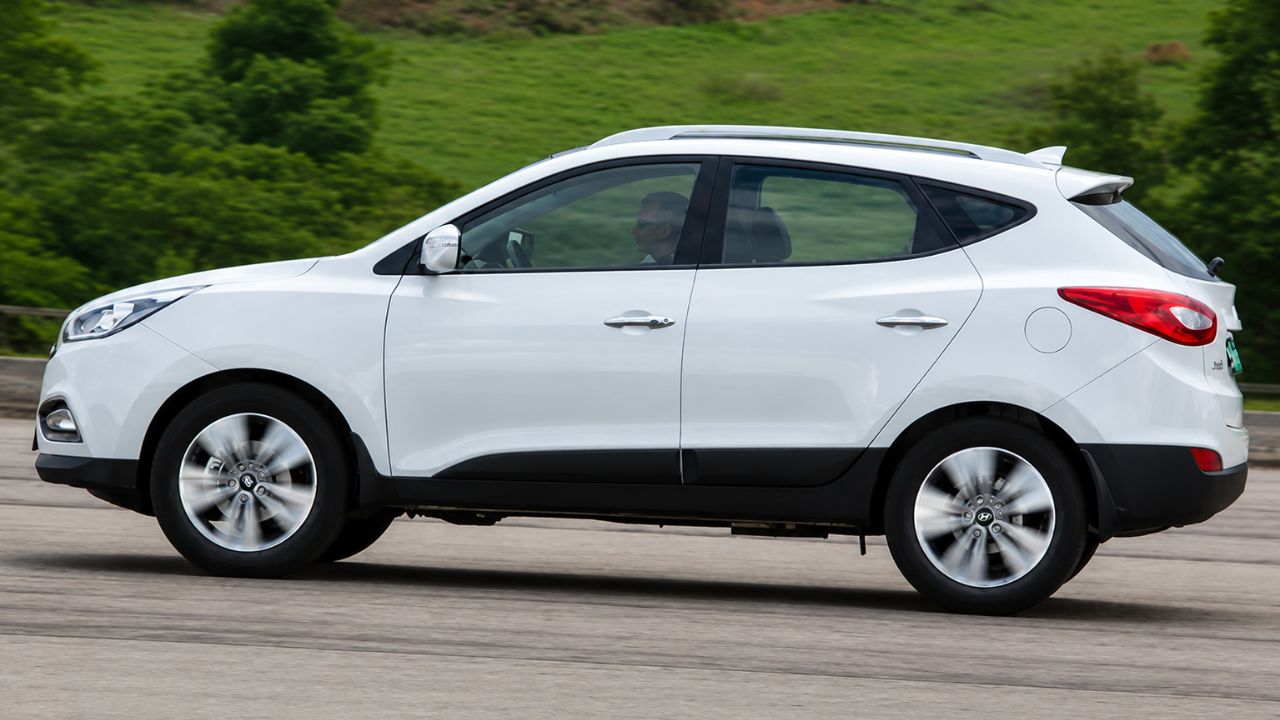
Hyundai ix35 2019: A Forgotten SUV with 2.0 Engine and 650 km Range Costs Less Than a New Kwid in Brazil


Patent registration reinforces digital personalization trend
There is no official forecast yet for mass production of e-ink digital paint, as indicated by Porsche itself. The patent registration with the USPTO, however, demonstrates that the company is advancing in digital automotive personalization solutions. This movement points to a growing trend of integration between technology and design in the sector, suggesting that, if the solution is viable, it could redefine the relationship between appearance and functionality in modern vehicles.
Other automakers also explore innovative paint technologies
Porsche is not the only manufacturer investing in automotive paint-related technologies. Nissan has already released studies on a paint capable of reducing heat inside vehicles, while Mercedes-Benz has developed a solution that can increase the range of electric cars by up to 30 km. These initiatives demonstrate that the automotive sector is undergoing transformation, focusing on solutions that combine innovation, efficiency, and new functionalities.