Portuguese
  Spanish



Brazilian Company of Metallurgy and Mining Launches Niobium Anode Factory With Production of 2,000 Tons/Year Until 2027
Electric mobility is gaining ground in the global market, and Brazil is no exception to this movement, especially with the advancement of CBMM, the Brazilian Company of Metallurgy and Mining, which stands out as one of the pioneers in innovation for electric vehicle batteries. In an initiative that promises to transform the energy storage industry, CBMM has begun a new phase of expansion focused on niobium oxides, a material that can accelerate the transition to more efficient and durable electric vehicles.
The Growth of the Battery Sector at CBMM
Founded in the 1950s and controlled by the Moreira Salles family, CBMM holds 70% of the capital and also partners with Asian consortiums. Traditionally associated with the production of iron-niobium alloys for the steel industry, CBMM is now shifting its efforts toward developing innovative materials for the battery sector.
This decision reflects the growing global interest in sustainable solutions and, according to Rodrigo Amado, director of the New Materials and Applications division, projects a revenue of US$ 400 million for 2024.
-
Brazilian City Makes Remarkable Leap, Becomes 4th Wealthiest in the Country with GDP of R$ 134.1 Billion

-
Controversial 6-day Workweek Elimination in Brazil Faces Economic Criticism Over Productivity Claims

-
Itaú to Refund Customers After 14 Years of Unauthorized Credit Card Charges; Agreement Includes No Interest or Adjustments, Deadline by 2028, with Potential Impact of Up to $6.5 Billion

-
Brazilian Company Grows from Bartering Soap for Food to Producing 30 Million Units Monthly, Challenges Global Giants with $100 Million Revenue and Expands into Premium Cosmetics



This advancement is impressive, considering that five years ago, CBMM’s presence in the battery market was virtually nonexistent. Today, niobium oxide production for batteries has reached 1,000 tons, with an estimated revenue of US$ 23 million in this segment alone.
In addition to batteries, the company also operates in other high-tech industries such as optics, aerospace, and medical, totaling 11,000 tons of equivalent iron-niobium sold this year.
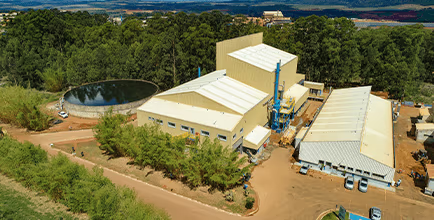
New Plant for Niobium Oxide Production and the XNO Technology
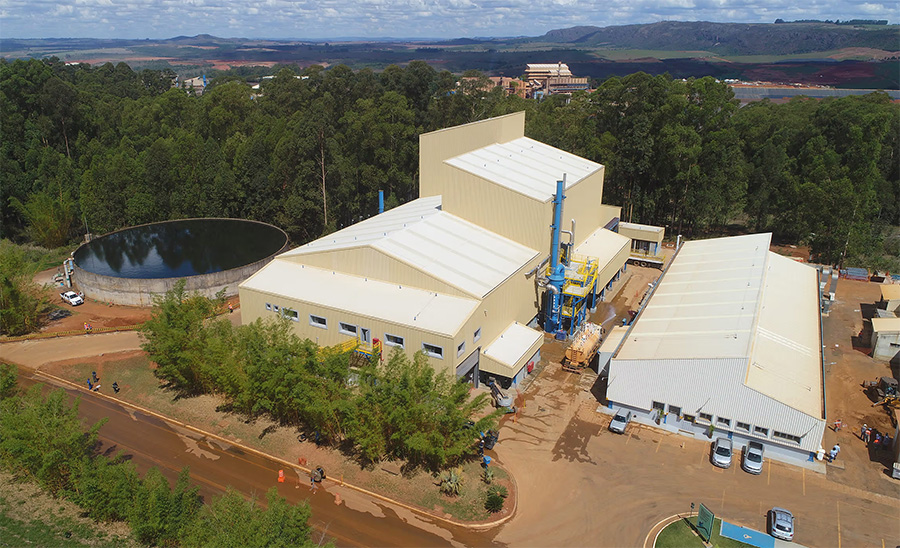
An important milestone in CBMM’s strategy is the new niobium oxide production plant in Minas Gerais, the largest in the world in terms of anode production capacity based on niobium, with an annual volume of 2,000 tons.
On an area of 2,000 square meters, this manufacturing unit has a production potential equivalent to 1 GWh of lithium-ion cells. The anode developed with niobium, named XNO, has a unique capability for ultra-fast charging and is ideal for applications requiring large amounts of energy, such as heavy vehicles and data center infrastructure.
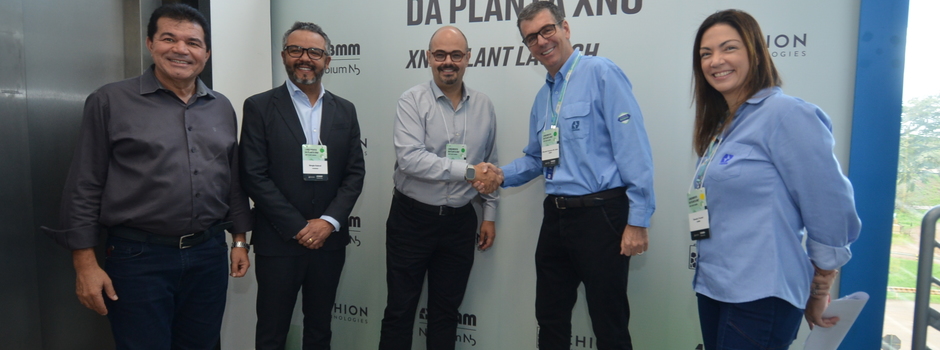
This revolutionary material was developed in collaboration with Echion Technologies, a UK company in which CBMM has a stake. The XNO anode, patented by Echion, aims to enhance energy efficiency and reduce charging time for heavy vehicles such as electric buses, mining vehicles, and trains, as well as for industrial applications demanding high performance.
Impact on the Market and Prospects for the Future
CBMM’s advancement in the electric mobility sector occurs at a time when the battery market is rapidly expanding. The company projects a global demand of around 5 terawatts of energy storage capacity over the next ten years, compared to 600 gigawatts reported last year. CBMM aims to capture a significant share of this market, with a goal of reaching a capacity of 20,000 tons of niobium oxide by 2030, which would generate an estimated annual revenue of US$ 500 million at current prices.
The anticipated demand for the XNO anode is equivalent to 2% of global capacity, and CBMM seeks to capture 10% of this volume by 2028. The niobium anode technology exhibits significant competitive advantages, such as the ability to withstand more than 10,000 charging cycles, long lifespan, and safe charging under extreme conditions. For every kWh of power, 2 kilograms of niobium are required, representing a substantial amount of material in the anode and allowing for fast charging without compromising safety.
Investments in Research and Development
CBMM’s expansion in the battery market is supported by a robust budget of R$ 250 million annually dedicated to Research and Development, of which R$ 80 million is allocated exclusively to the development of new battery technologies.
This funding has financed 42 projects in collaboration with international partners, reinforcing the company’s commitment to innovation and its vision for a more sustainable future.
To ensure competitiveness in the global market, CBMM continuously invests in research, exploring possibilities to make niobium an essential element in the composition of lithium-ion batteries, especially aimed at the industrial and commercial market.
The benefits include greater durability and safety, which is particularly important in industrial environments and for heavy vehicles, where maintenance costs and risks associated with wear are high.
CBMM: A Sustainable Vision and the Role of Niobium in the Future of Energy
CBMM’s entry into the battery sector reflects a strategic transition for the company, which aims for 30% of its revenue by 2030 to come from products unrelated to steelmaking. In 2023, the company recorded a net revenue of R$ 11.4 billion, driven by the export of iron-niobium, primarily to China. The new business division dedicated to battery materials not only diversifies CBMM’s operations but also contributes to reducing carbon emissions and advancing global electric mobility.
The example of CBMM demonstrates how the mining and metallurgy industries can adapt to the demands of the 21st century, offering solutions to global problems and contributing to the energy transition. By investing in innovative technologies and collaborating with international industry leaders, the company reinforces Brazil’s role as a protagonist in the renewable energy era.
CBMM’s bet on the battery market represents a paradigm shift in the Brazilian mining industry, proving that innovation and sustainability go hand in hand. The new niobium oxide plant, along with XNO technology, highlights the country’s potential to lead the global transformation in electric mobility.
With strategic investments and strong partnerships, CBMM not only contributes to the future of electric vehicles but also opens doors to the development of new applications and sustainable technologies, making niobium a crucial metal for the green economy of the future.