Portuguese
  Spanish


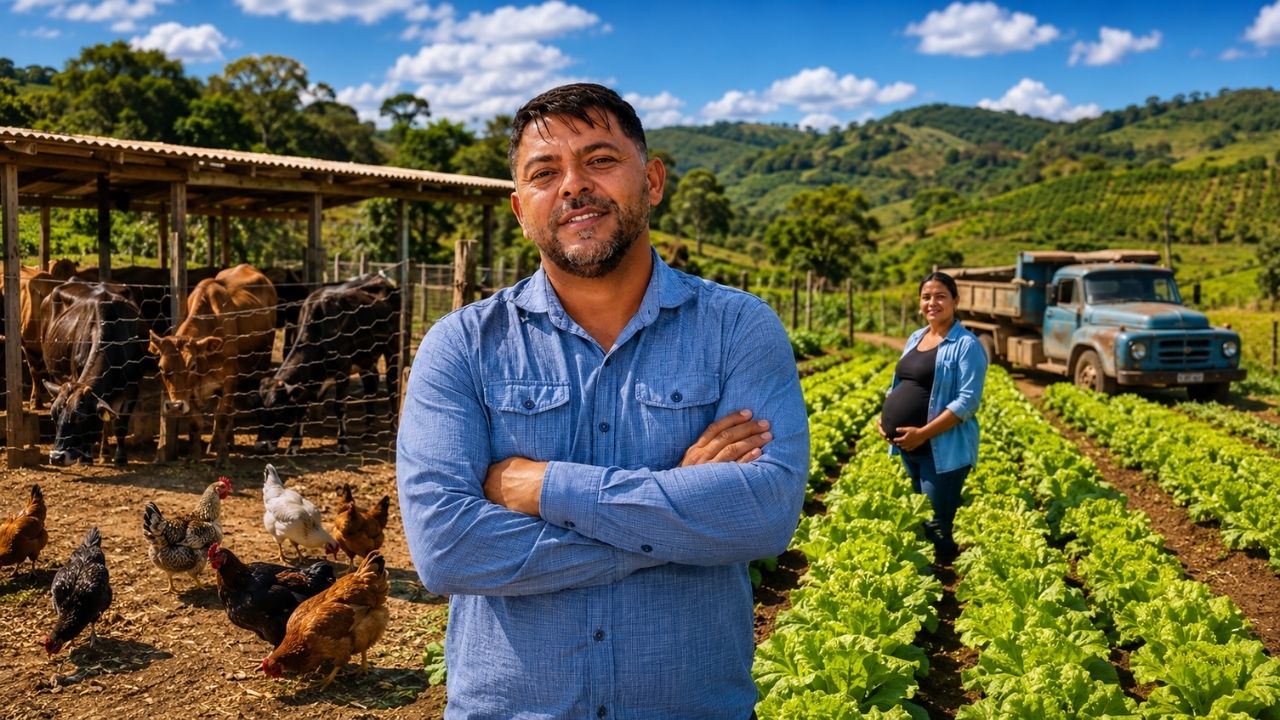

The life in the countryside was not at the beginning of Jason’s story, better known as Ceará. Originally from Fortaleza, he told the channel É Du Campo that he arrived in Minas Gerais 6 years ago, after leaving the capital of Ceará with his pregnant wife Eliana and their belongings in an old truck.
Today, in the region of Passos, in Minas Gerais, he lives off the land, takes care of cows, works with a garden, and says he doesn’t think about returning to the city. Instead of the urban routine, Ceará says he found in the land, the animals, and his own work a form of peace that he couldn’t replace anywhere else.
From Fortaleza to Minas with the move on top of the truck
In the account to the channel É Du Campo, Ceará says he left Fortaleza without being sure of what he would do in Minas Gerais. According to him, his wife Eliana was 8 months pregnant when the family arrived. He states that they arrived on May 9 and that their son Davi was born on June 9, but the transcribed video excerpt does not specify the exact year of these dates.
-
Cold War Secret Plane Lost Engine Mid-Flight, Forcing Six to Parachute in Darkness; Wreckage Remains in Death Valley Mountains 73 Years Later

-
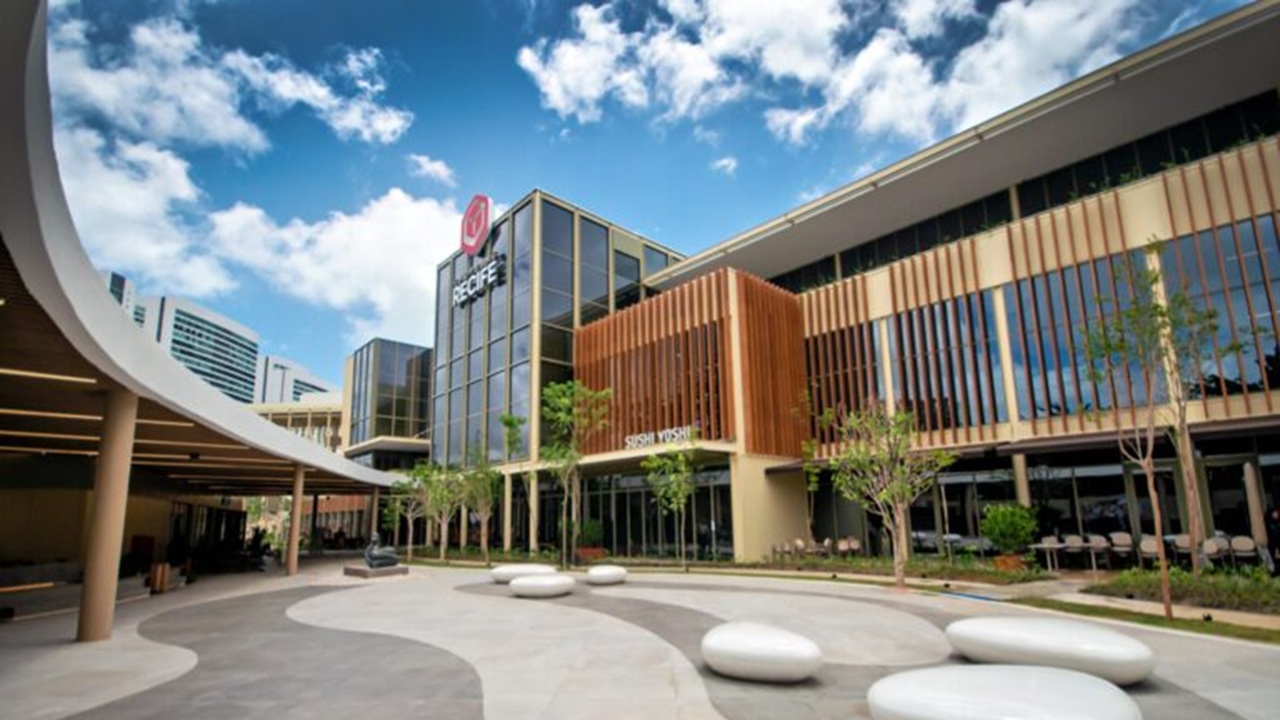
Opened in 1980, Shopping Recife was Pernambuco’s first mall and helped transform Boa Viagem into a bustling and sought-after district in southern Recife.
-
Tired of Monthly Water Supply, South African Villagers in Limpopo Connect Mountain Spring to Taps, Bringing Water to 5,000 People with $700 Initiative

-
Rare Case of Neurocysticercosis in Spain: 60-Year-Old Man’s Suspected Brain Cancer Turns Out to Be Tapeworm Cysts, Avoiding Invasive Cancer Treatments




The move came on top of an old truck, remembered by him as part of a difficult and decisive phase. The family left home, routine, and work to start over in another state, first renting a house and then seeking work to establish themselves.
Before the farm, he worked in various professions
Ceará did not come from a rural background. In the video, he states that he had never worked on a farm before arriving in Minas Gerais. In Fortaleza, he went through different activities: he was a bricklayer, motorcycle taxi driver, taxi driver, cook, gas station attendant, truck driver, and also worked in women’s intimate fashion manufacturing.
He says that the only profession he brought from the city was that of a bricklayer, learned in the family. Even so, life in the countryside required a different kind of adaptation. Everything he knows today about cows, gardening, care, and rural routine, according to him, was learned after the move.
Work in coffee helped pave the way
After arriving in Minas, Ceará states that he worked in different jobs until entering the coffee fields. According to him, it took three years of picking coffee to acquire what the family has today. The hard work appears in the narrative as a central part of building the new life.
He also says he intends to bring more family members closer, including siblings and his father. For Ceará, the change was not just geographical. Life in the countryside became an attempt to bring together family, work, and tranquility in one place.
Debris turned into a garden with space for 10,000 heads of lettuce
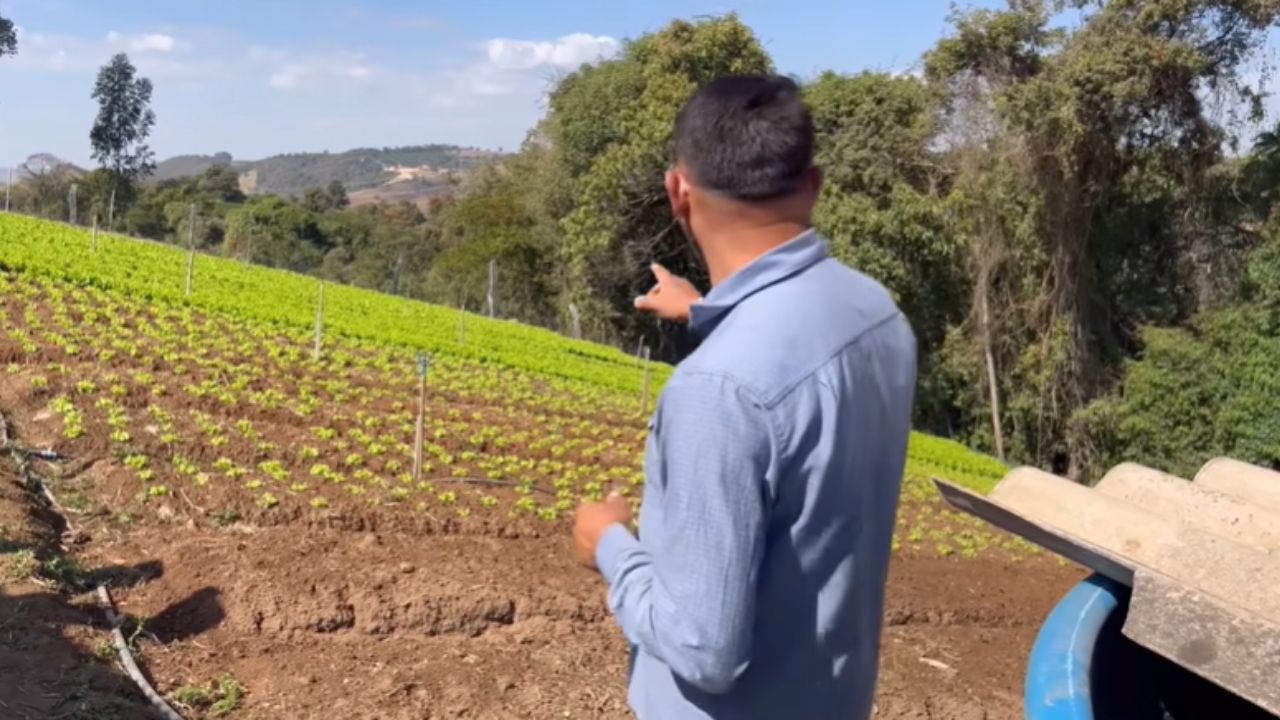
One of the strongest points of the story appears when Ceará shows the garden. He says that the area where he now grows lettuce had construction debris, tiles, and rubble from an old house. Upon clearing the space, he found buried material and began transforming the land with manual labor and machine help.
In the video, the presenter comments that the place became a source of income for the family. Ceará states that it can accommodate 10,000 heads of lettuce. What was once an unused area has become part of the household’s sustenance, along with other crops like chives, kale, and vegetables delivered in the region.
The routine also includes cows, corn, and daily care
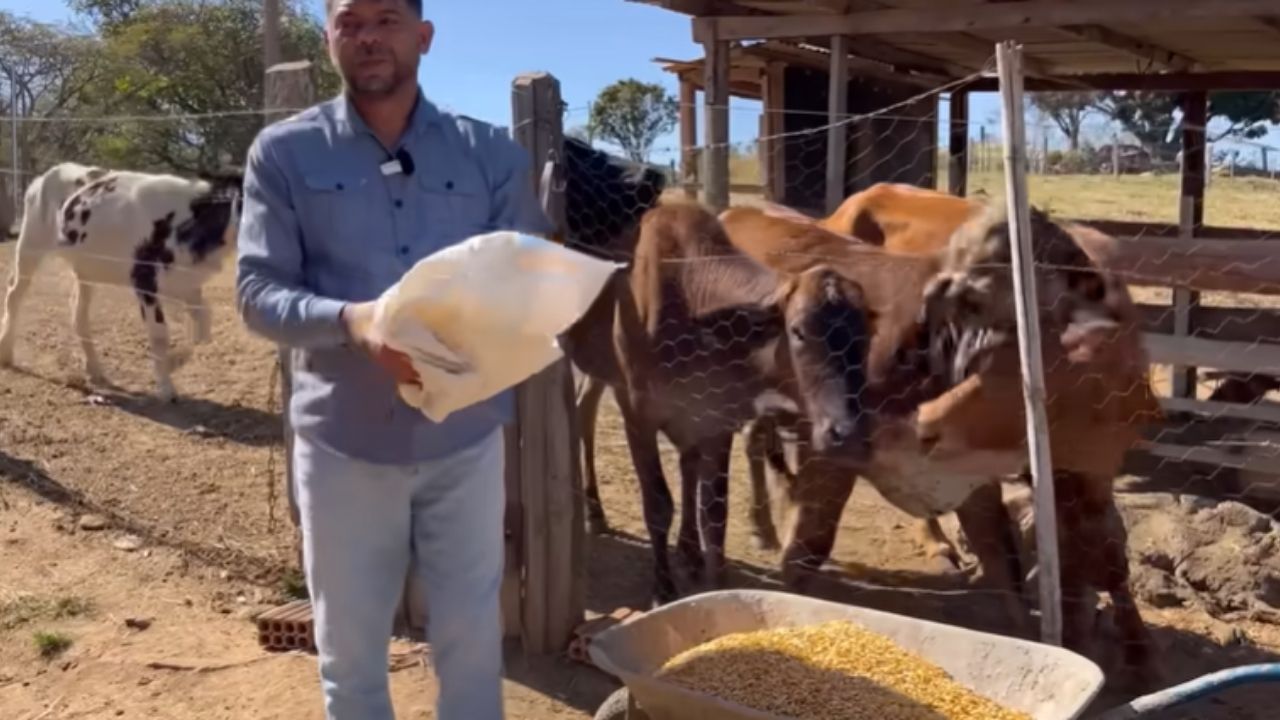
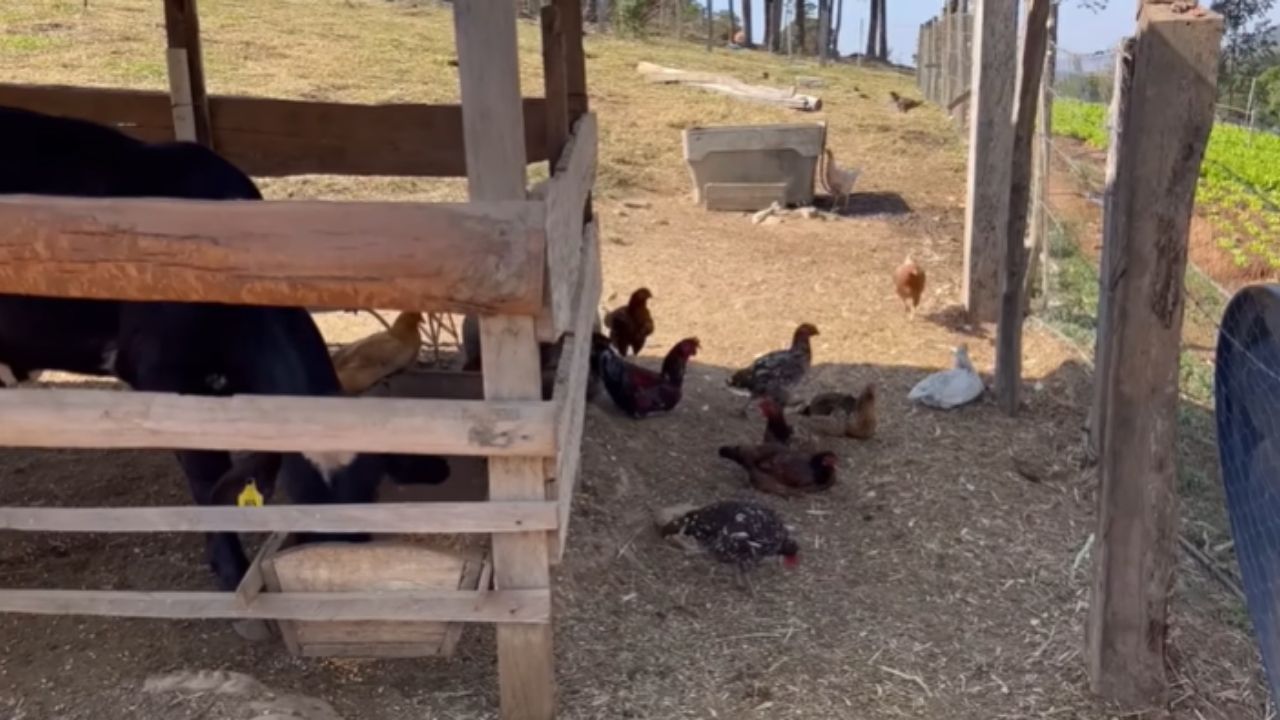
Besides the garden, Ceará takes care of the animals. In the video, he prepares the cows’ feed with silage, corn, and pelleted nucleus. He explains that he uses about 30 kg of corn and 4 kg to 5 kg of nucleus, in addition to the silage, depending on the availability of grass.
For him, dealing with cows, horses, chickens, and the garden has an emotional effect. Ceará calls the routine with the animals therapy and says that contact with the countryside helps to clear the mind. Life in the countryside, in this account, appears less as a romantic escape and more as daily work that also brings peace.
The city was left behind, but the beginning was not easy


Ceará compares his old routine in Fortaleza with his current life in Minas. He states that he missed the sea but found other elements that became part of his daily life, such as waterfalls, rivers, spring water, and the greenery of the region.
When talking about the city, he reports that he now feels uncomfortable when he needs to leave the countryside to handle urban commitments. According to him, the rural routine offers freedom, silence, and a sense of control over his own time. Even acknowledging difficulties, Ceará says he doesn’t see himself outside the countryside.
Life in the countryside became work, family, and belonging
The account shows that the change was neither immediate nor simple. Ceará went through jobs, adaptation to the climate, work in coffee, financial difficulties, and practical learning until he transformed the countryside into his life’s base. The very space that was once filled with debris had to be recovered before becoming a productive garden.
Today, life in the countryside appears to him as synonymous with belonging. The family lives off what they plant, takes care of the animals, and works in a small but their own space. For Ceará, this difference weighs more than the size of the structure or the comfort of the city.
A choice he does not want to undo
Ceará’s story shows how a change made amidst uncertainty can gain another meaning over time. He left Fortaleza with his pregnant wife, went through hard jobs in Minas Gerais, and found in the countryside a way to rebuild life with his family.
Life in the countryside, for him, is not permanent rest nor an idealized setting. It is work, adaptation, risk, learning, and a heavy routine. But it is also where he says he found peace, autonomy, and the desire to stay.
Do you think you would leave the city to try a life in the countryside, even starting from scratch, or do you prefer the security of urban routine? Leave your opinion in the comments.