Portuguese
  Spanish


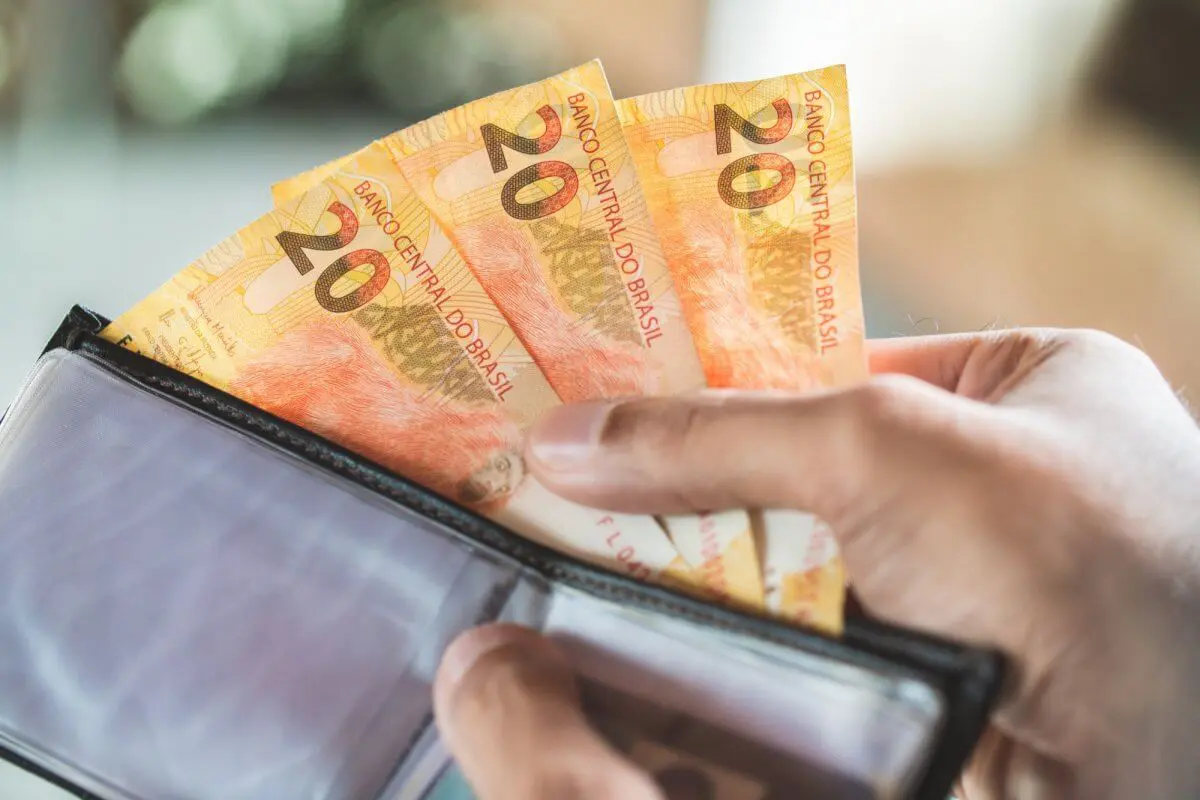

Almost 4 in every 10 salary adjustments obtained by workers in collective negotiations in 2022 were below inflation. These data come from the Salariômetro of Fipe (Foundation for Economic Research).
40.65% of negotiated adjustments in mid-2022 were below the inflation measured by INPC, which closed the previous year at 5.93%. Only 25.4% of the agreements were higher than the INPC, with the other 34.2% equal to inflation.
In proportions, the worst month of 2022 was April, with about 54.1% of the adjustments below inflation. The average value of the minimum wage rose from over R$ 1,352 in 2021 to R$ 1,481 in 2022.
Improvement Compared to Salary Adjustments in 2021
Even with the low share, the proportion of adjustments below inflation decreased compared to 2021, when they accounted for almost half (around 49.7%) of negotiations. According to Fipe, this decline accelerated in the last months of the year. In December, 74.6% of the adjustments were above the INPC.
-
Pizza Day highlights a curious contrast in Brazil: while 13 new pizzerias open every day, the price of mozzarella skyrockets, and the country’s most beloved dish weighs increasingly on family budgets.

-
It’s official: Petrobras takes 75% of block 3 in São Tomé and Príncipe and debuts as an offshore operator outside South America.

-
US$ 1.5 billion dam project on the Rio Indio promises water for the Panama Canal for 50 years, but it could flood rural areas and displace 2,000 residents from 38 farming communities.

-
At 14 years old, she worked in a factory in Hong Kong, studied economics abroad, and then entered the Chinese real estate market, which helped change the landscape of Beijing.




Among all the negotiations made in 2022, those involving minimum wages (78.9%), adjustments (72.3%), and overtime pay (50.1%) were predominant.
Outlook for 2023
The expectation is that, with a more controlled inflation, “positive real adjustments should continue,” according to Fipe.
This real increase in salaries is extremely important because it ensures the purchasing power of the population. Even over time, with some adjustments lower than inflation, workers still lose the ability to buy the same things they consumed the previous year, worsening their living conditions.
Preliminary data from January already indicated a small improvement compared to December. In the last month, 82.4% of these adjustments were above inflation. The other 11.8% were below the INPC and more than 5.9% equal to inflation.
Despite this, the Salariômetro still reports that bank projections indicate a slowdown in the INPC throughout 2023, decreasing from 5.9% to an accumulation over 12 months until January for a rate of up to 5.6% in December.
Salary Adjustments Fail to Keep Up with Inflation