Portuguese
  Spanish


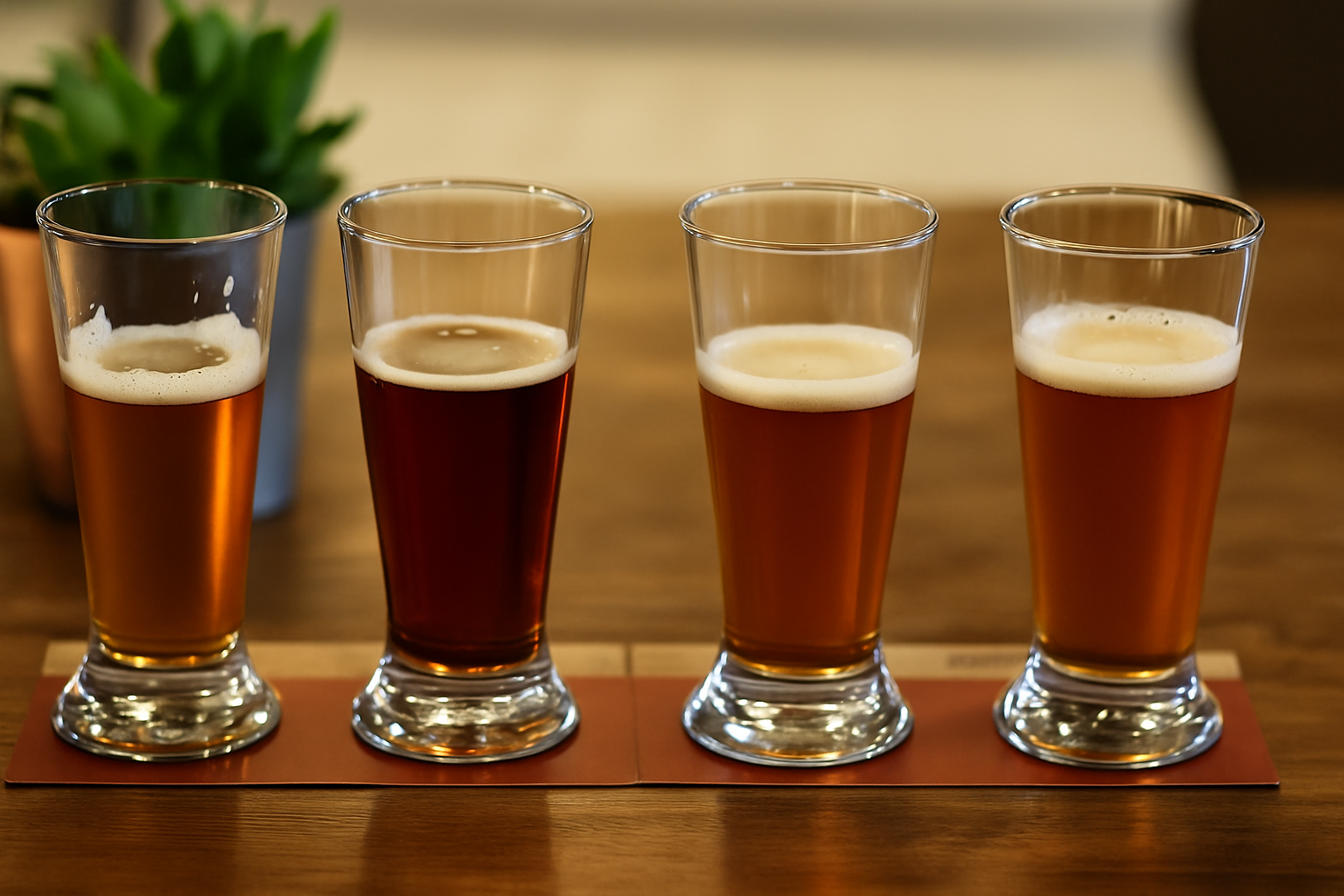

Beer Pisner Transforms Collected Urine from Festivals into Fertilizer, Highlighting Sustainable Innovation and Circular Economy in Artisanal Production
The Danish craft brewery Norrebro Bryghus surprised the market with an unusual proposal. The company launched Pisner, a beer made from barley cultivated with natural fertilizer made from human urine.
The idea mixes sustainability, innovation, and a touch of humor already present in the name, which combines the Czech style “Pilsner” with the word “pee.”
Collection During Festival Sustains the Project
All the urine used in production was collected in chemical toilets during a festival in Denmark. Instead of being discarded, the material served as fertilizer for barley cultivation.
-
Volvo’s New Loaders Feature Obstacle Detection, Automatic Braking, and 360-Degree Operator View

-
Chinese Manager Accused of Whipping Worker Sparks Protest by 1,200 Employees at Major Brazilian Factory

-
France Revamps 530 Social Housing Units with Large Balconies and Glass Facades Without Demolishing Existing Buildings

-
10-Year-Old Max Makes History with Paris Fashion Show, Launches Own Brand, Hires Staff, and Sets World Record as Youngest Runway Designer





However, Norrebro Bryghus’s CEO, Henrik Vang, made a point to clarify an important point: there is no urine in the beer.
“At first, many people thought we had a filtration system where the urine went directly into the beer, but that is clearly not the case,” Vang told the press.
Search for Sustainable Solutions
The decision to develop Pisner arose from the company’s pursuit of sustainable and creative solutions. Vang explained that Norrebro Bryghus has been producing organic beers for about four years and saw in the idea an opportunity to go further.
“The reason we made this beer is that we are a craft brewery and we became organic about four years ago. Currently, all our beers are organic. We thought it would be a great idea to make a recyclable beer,” the director said.
Human Urine in Beer Production: Practice Also Used in Other Countries
The use of human urine as fertilizer is not exclusive to Denmark. In Sweden, this practice has also been applied in cultivations aimed at alcohol production.
It is an ecological alternative, aligned with a global trend of nutrient recycling and waste reduction.
Essential Nutrients Present in Urine
The composition of urine justifies its use in agriculture. Rich in nitrogen, phosphorus, and potassium, it provides essential nutrients for plant growth, reducing dependence on traditional chemical fertilizers.
Despite its unusual origin, Pisner has been well received by both the public and experts. Taster Birden Eldahls, in an interview with CBS News, praised the drink’s quality. “The flavor is really good. It’s fresh and full-bodied at the same time, and it’s a good beer,” he commented.
Another consumer described the experience of tasting Pisner: “Sweet malt aroma. Sweet and fruity malt flavor with a hint of straw. Late bitterness with a slight herbal touch of hops. Medium body, creamy, smooth carbonation. Pleasant.”
The project not only sparks curiosity but also proposes an important debate about circular economy and agricultural sustainability. By transforming a common waste into a valuable resource, Norrebro Bryghus presents an ecological and regenerative alternative in the food and beverage sector.
With information from Compre Rural.