






 Portuguese
  Spanish



Chinese Technology Promises to Redefine Global Connectivity With Support From Giants Since 2022
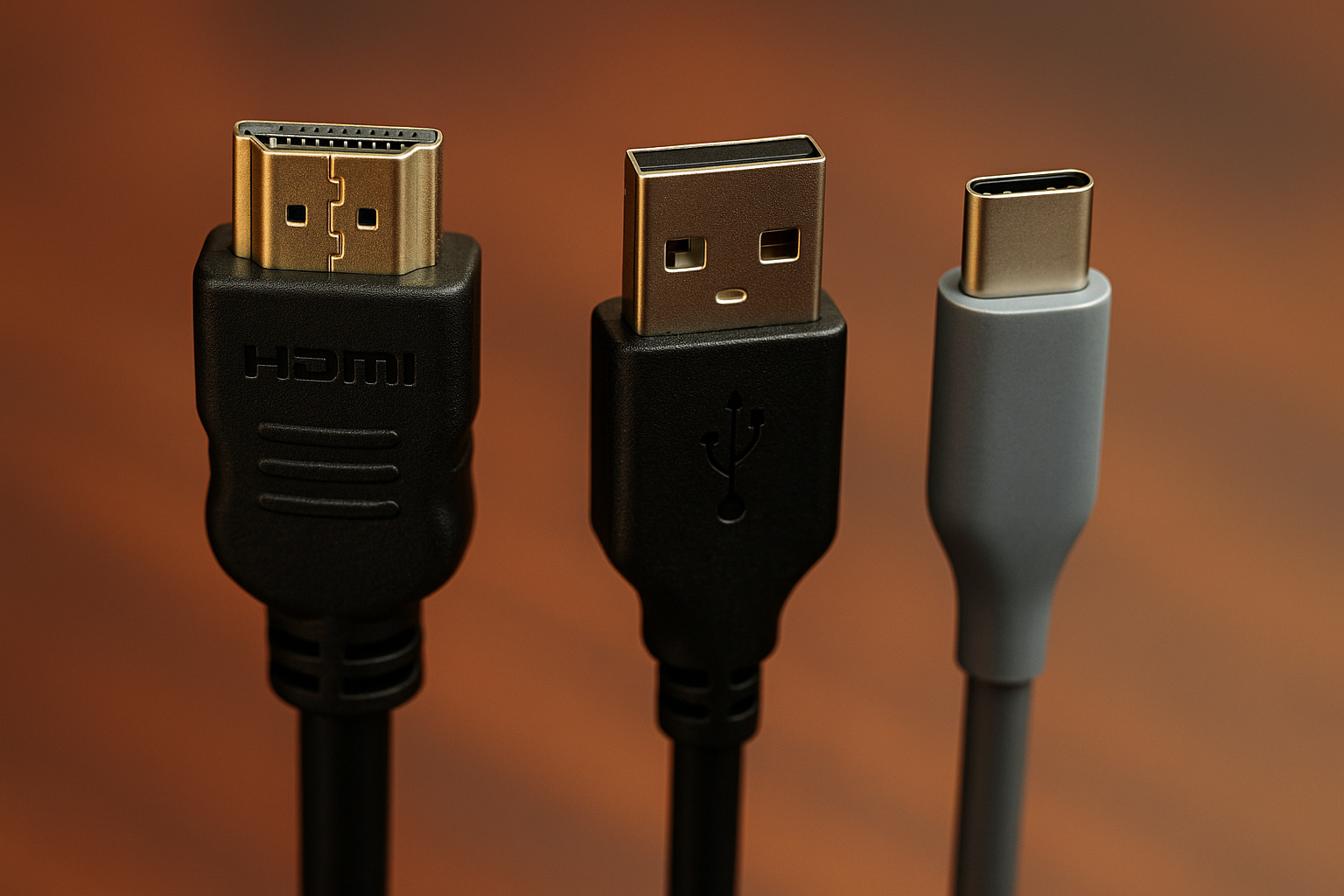
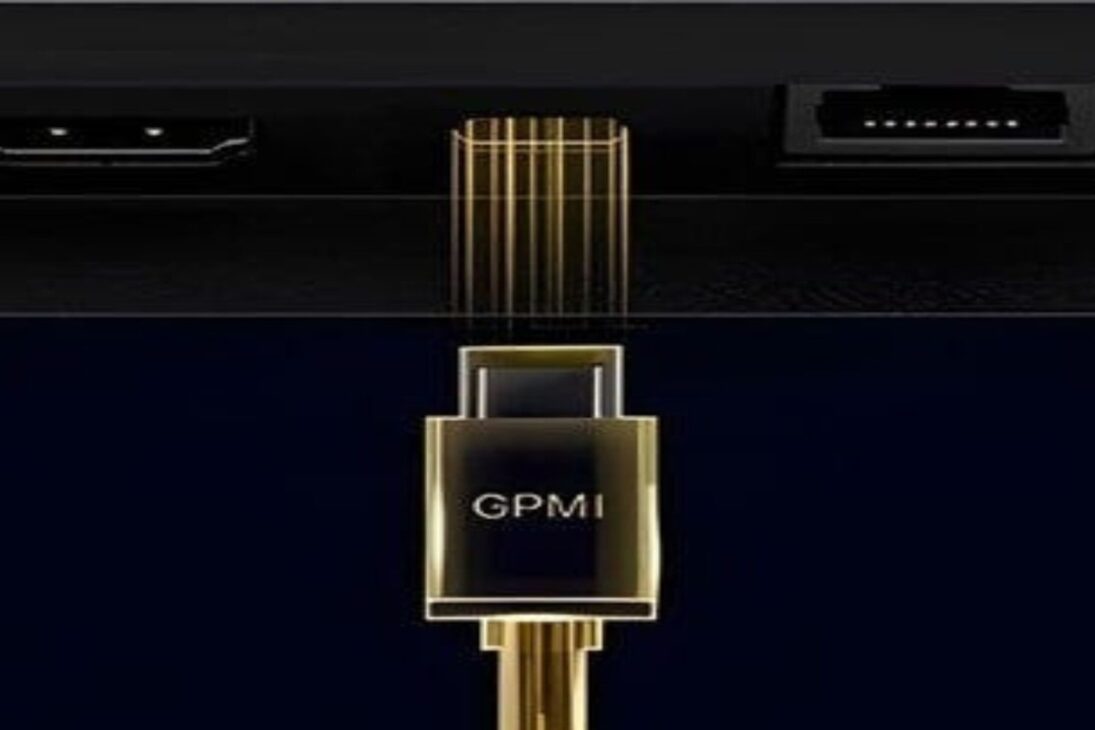
In 2022, China took a significant step to change the global data transmission structure. The country introduced the GPMI (General Purpose Multimedia Interface). This technology was developed by major players like Huawei, Lenovo, Xiaomi, and BOE. The standard emerges as a strong competitor to the HDMI and USB standards, dominated by companies from the United States. Since then, the market has been observing an increasingly intense technical and strategic competition.
Technological Competition Reinforces Chinese Independence
Trade tensions between China and the United States have intensified since 2018. The GPMI reinforces Beijing’s strategy to reduce dependence on American patents. HDMI emerged in 2002 with support from giants like Sony and Panasonic. The new Chinese standard stands out for transmitting audio, video, and data at high speed. All this takes place over a single cable. According to Exame, Huawei and Xiaomi are expanding investments in research to ensure technological autonomy. Thus, in addition to reducing costs, the local standard facilitates internal negotiations. Companies do not need to pay international royalties.
GPMI Seeks Leadership in the Global Market
In 2023, Lenovo and BOE intensified the development of devices compatible with the GPMI. This strengthens the Chinese ecosystem. Even facing barriers, the country is betting on bilateral agreements to popularize the standard. The goal is to advance primarily in Asia and Africa. HDMI remains consolidated in the United States. Nevertheless, the GPMI is advancing as a strategic alternative. Manufacturers are seeking to lower their dependence on Western licenses.
-
Scientists Discover Ancient Life Marks in 180-Million-Year-Old Moroccan Ocean Rocks

-
Students from Brazil’s Paraíba develop low-cost reusable rocket with 3D-printed engine and Arduino-controlled parachute to disperse seeds for reforestation in remote drylands.

-
Brazilian Students Transform Passion Fruit Peels into Moisture-Retaining Material, Compete at World’s Largest Science Fair

-
Brazilian Student Invents Low-Cost Rainwater Harvesting System Using Recycled Materials, Showcased at World’s Largest Science Fair




Industrial Support Boosts Expansion of the New Cable
HDMI and USB have dominated the sector for over two decades. The entry of Hisense, TCL, and Oppo into the GPMI consortium strengthens the acceptance of the standard. This is occurring in the Chinese domestic market. According to the Xinhua agency, in May 2024, the Chinese government announced incentives to accelerate the production of electronics with GPMI. The package includes tax exemptions for manufacturers. Thus, the industry gains strength to face trade restrictions imposed by Washington. Sanctions have been applied since 2019.
Challenges and Expectations for the Coming Years
During the negotiations, both sides recognized, in addition, the increasingly complex and, therefore, challenging geopolitical landscape for regional security.
They stated that the world is experiencing, thus, a phase of hybrid threats and, still, an expansion of authoritarian regimes.
Therefore, they highlighted that Argentina, in this way, needs to reclaim its prominent role in the Western Hemisphere.
The modernization of the Armed Forces, above all, strengthens internal defense and, consequently, ensures greater international prominence.
Moreover, it expands presence in joint missions and multilateral operations, which is, therefore, strategic for the region.


