Portuguese
  Spanish


Understand How China’s Samarium Blockade Can Affect Fighters, Missiles, and Arsenals of the Largest Armies in the World
Recently, China imposed restrictions on the export of seven rare earth metals, including samarium, which is essential for producing high-tech military equipment. This measure was officially presented by the Ministry of Commerce of China as an action for “national security protection.”
Since then, the United States and allied countries have faced increasing challenges to maintain their military supplies.
Samarium Is a Vital Component in Modern Weapons
Samarium is indispensable for manufacturing magnets that retain their magnetic strength even at high temperatures. For this reason, it is used in missile systems, radars, guided weapons, and supersonic jets.
-
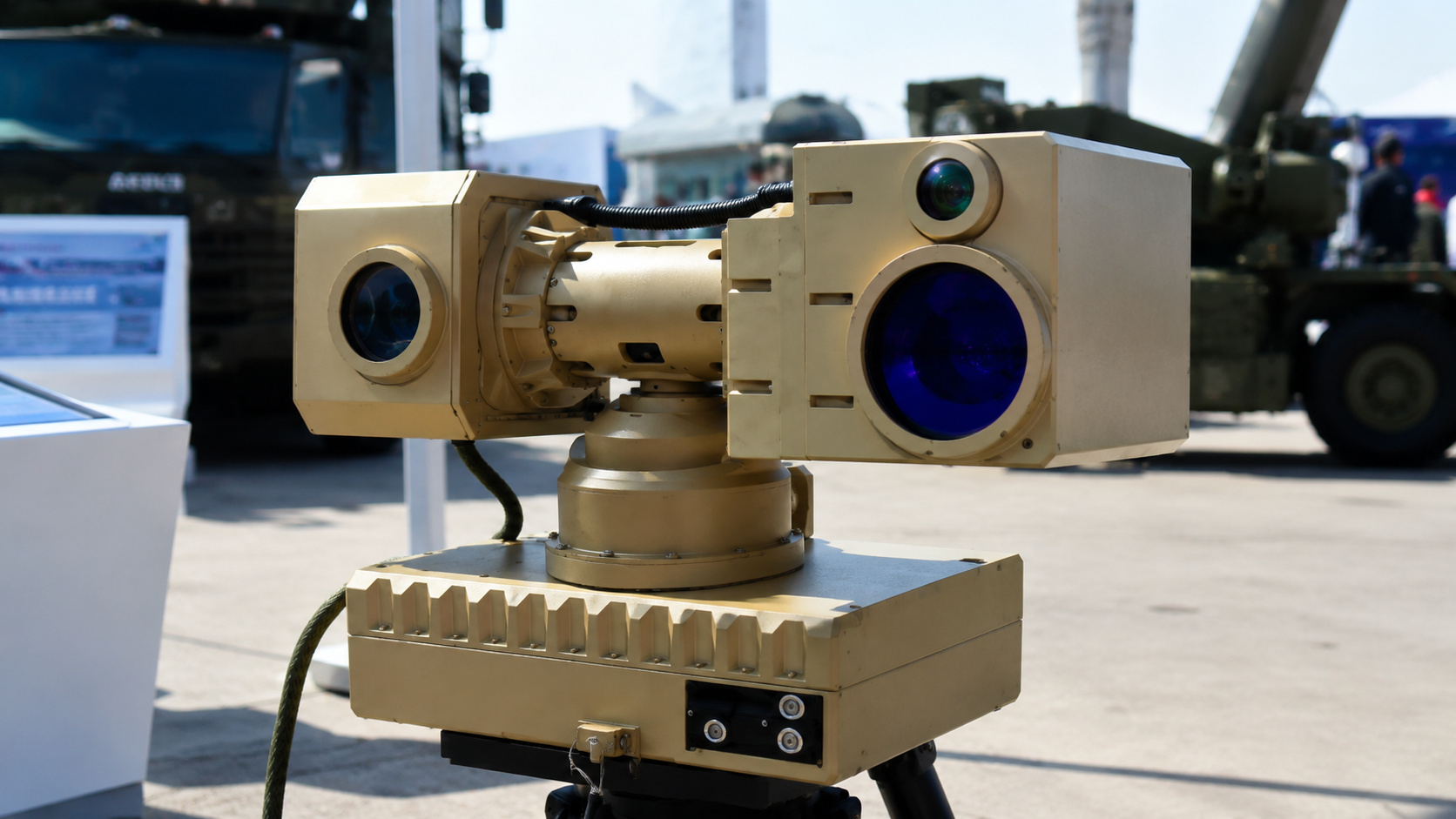
China Unveils Laser Weapon Capable of Instantly Neutralizing Military Drones, Marking a Significant Advancement in Air Defense Technology

-
U.S. Navy’s Ticonderoga-class Cruiser Becomes a 9,800-Ton Missile Fortress with Advanced Aegis System Capable of Tracking Hundreds of Targets

-
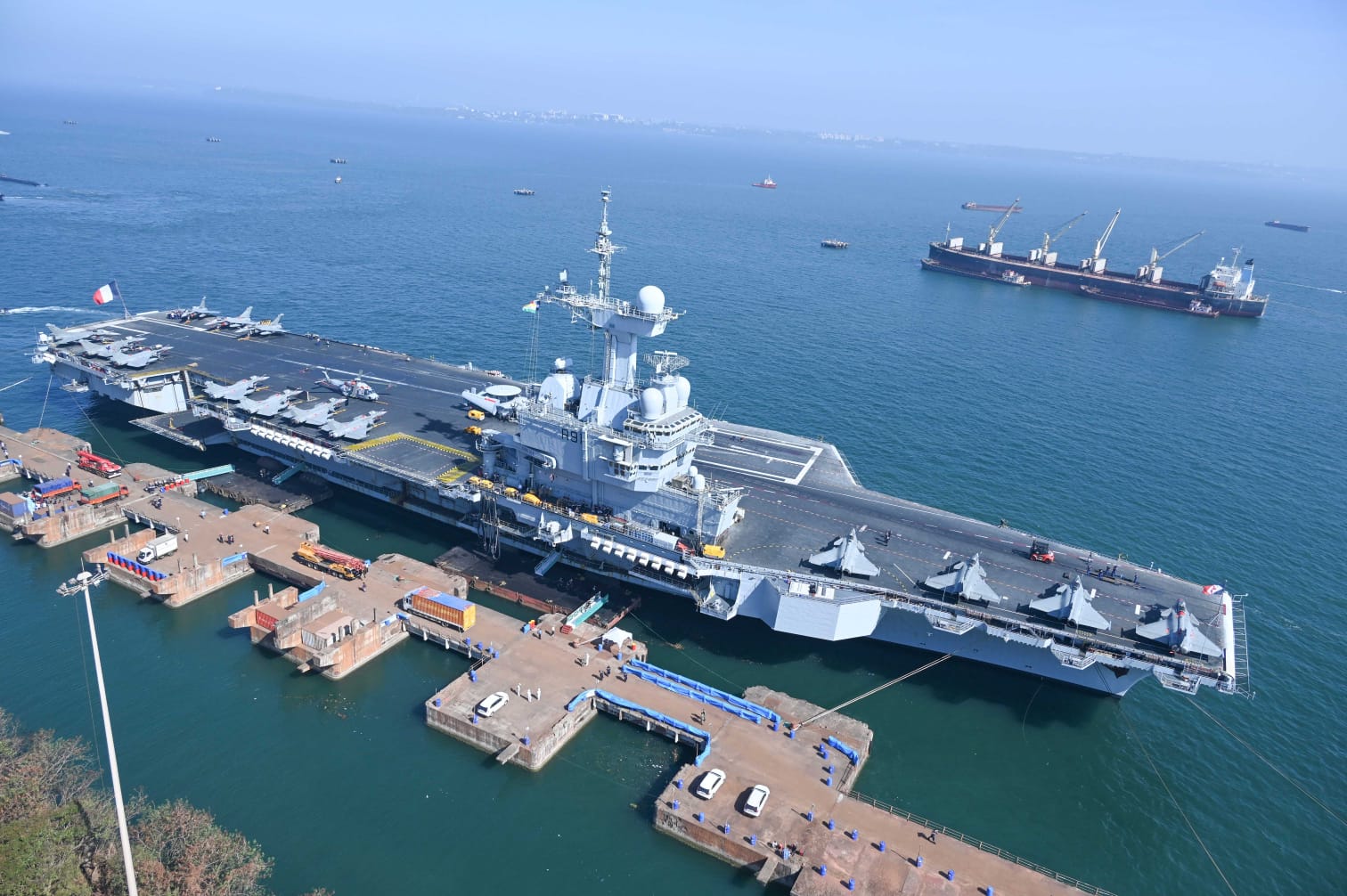
France’s Charles de Gaulle: The Sole Nuclear-Powered Aircraft Carrier Outside the US, Weighing 42,500 Tons and Equipped with Two Atomic Reactors

-
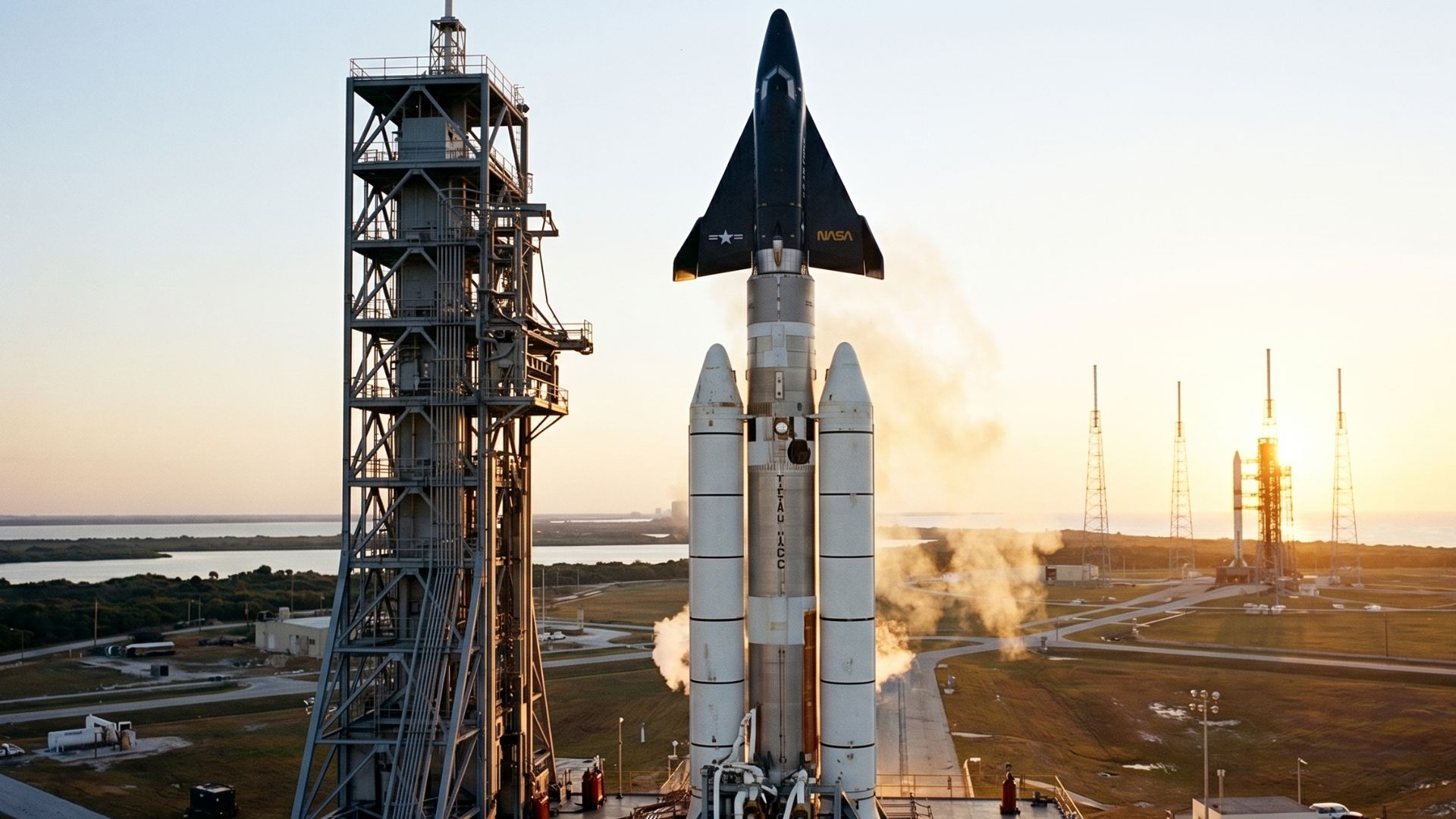
The military spaceplane that almost took the Cold War into orbit: Boeing X-20 Dyna-Soar was designed to re-enter above Mach 20, fly for up to 40 hours, land like a plane, and transform Titan rockets into a gateway to a new era of orbital warfare.

Information reveals that a single F-35 fighter consumes about 22.6 kg of these magnets. However, American industries have almost ceased producing them due to a lack of incentive and China’s dominance in the sector.
Even with the urgency, the U.S. relies heavily on the import of these materials.
Supply Chain Under Growing Pressure
Since the beginning of the restriction, conflicts in Ukraine and the Middle East have put pressure on the strategic stocks of Western countries.
This has further exacerbated the demand for critical parts.
The U.S. Department of Defense planned to build two factories specialized in samarium magnets. But both initiatives have been halted.
The official justification cites financial uncertainties and the lack of short-term return guarantees. This hampers the national industrialization of this essential resource.


Brazil Has Strategic Reserves but Faces Barriers
Although Brazil has the second largest monazite reserve in the world, a mineral that contains samarium, the country still exploits this resource in an economically limited way.
Data from the University of São Paulo and the International Atomic Energy Agency indicate that, despite its potential, high extraction and refining costs keep the country dependent on China.
This demonstrates how even large natural reserves do not guarantee, by themselves, technological or military independence.
Ongoing Diplomacy and Quest for Autonomy
As of June 2025, representatives from China and the United States met in London to discuss the supply crisis. However, expectations for a retreat from the Chinese government are minimal.
The new export licensing policy is established and shows no signs of flexibility.
To attempt to reduce dependency, the Biden administration authorized emergency contracts to develop industrial units in locations such as Mountain Pass, California.
However, to date, none of these projects have been implemented.